• Free Design Support
  • Fast Turnaround
  • Low Minimums.

Custom Fast Food Boxes

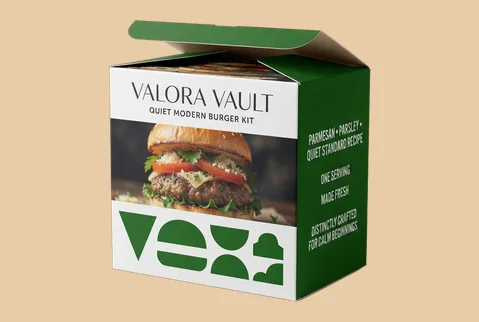
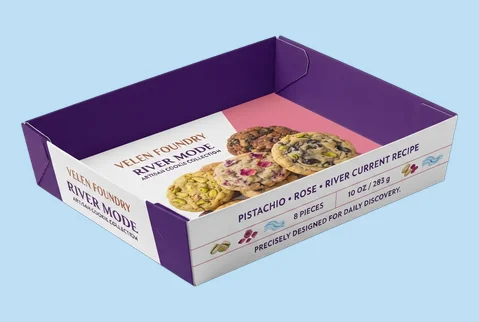
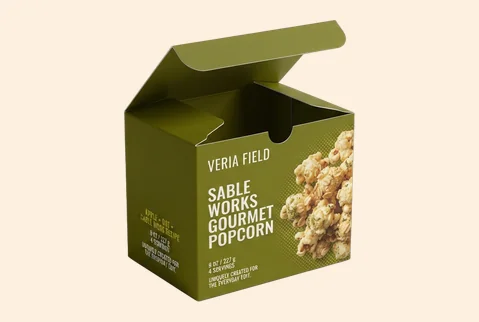
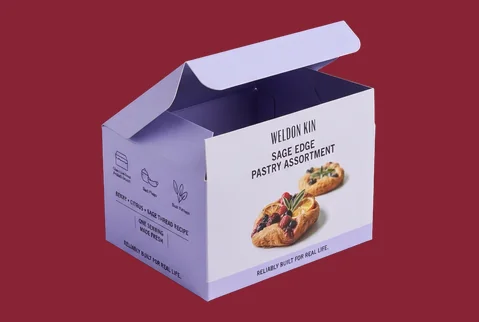
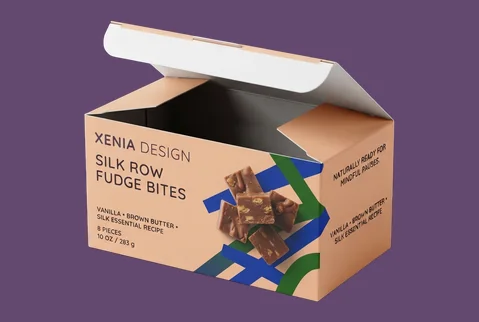
Give every burger, fry, sandwich, salad or takeaway order a box that looks unmistakably yours and carries a confident brand character from counter handoff to first opening.

Fast-food customers often meet the package in a brief, busy moment—at the counter, during pickup, in a delivery handoff or while choosing a grab-and-go meal. Customization turns that functional box into a clear brand signal through the right shape, proportions, material feel and printed design. When the pack looks coordinated with the food and the business, the order feels more deliberate and the brand becomes easier to recognize across different service moments.We help you build a connected fast-food packaging range rather than a collection of unrelated containers. Each format can be planned around the food, serving configuration and handoff, while the visual system stays consistent enough to support one clear identity across burgers, fries, wraps, salads, sides or meal combinations.The result is supported by decisions customers can see and feel: product-relevant structures, correctly planned fit, paperboard or kraft character, full-color or controlled spot-color printing, selective surface treatments, inside print where useful, and inserts or dividers for suitable multi-item formats. Artwork checking, dieline support and digital proofing help move the approved concept toward production with fewer avoidable surprises.

  • For supported paper-based formats
  • Provided with every approved order
  • Dieline and file help available
  • No die or plate fee
box

Get Custom Quote

FAST-FOOD FORMAT ROUTES

Choose a Box Around the Food and Handoff

A burger, fries, noodles and a meal combination do not ask the same thing from a box. Choose the format around the product shape, portion arrangement, service channel and first access—not around a one-style-fits-all catalog. A compact clamshell can frame a single item, an open tray can keep casual service direct, and a divided carrier can make a multi-part order easier to understand. Across the range, consistent print and material choices help separate menu items without making the brand feel fragmented.

1 burger & sandwich boxes

Burger & Sandwich Boxes

Plan a compact branded enclosure around burgers, chicken sandwiches, paninis or subs, using proportions and an opening style that suit the individual item and its handoff.

  • Single-item meal formats
  • Fit planned around product
  • Branding across outer panels
  • Direct first-access opening

A familiar format becomes a clear, brand-owned part of the complete meal experience.

Customize Now
2 fries & snack trays

Fries & Snack Trays

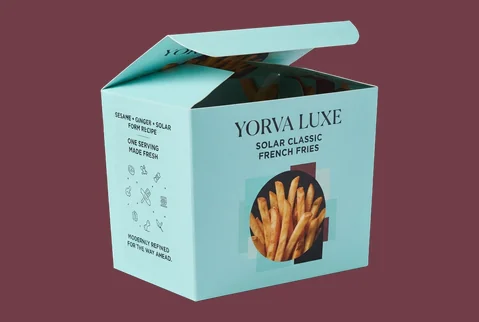
Use open or partially enclosed tray formats for fries, nuggets, tenders, wedges or appetizers when quick access and visible brand cues matter at the counter.

  • Sides and snack portions
  • Open or folded arrangement
  • Print on visible panels
  • Counter and takeaway use

The food stays easy to identify while the serving format carries your identity.

Customize Now
3 takeout & meal boxes

Takeout & Meal Boxes

Bring entrées, prepared meals or combined orders into a more coordinated pack with a structure selected around portion layout, carrying needs and the intended reveal.

  • Entrées or meal combinations
  • Dividers where appropriate
  • Exterior and inside branding
  • Pickup or delivery handoff

A planned meal box helps the full order feel considered rather than assembled at random.

Customize Now
4 noodle & rice boxes

Noodle & Rice Boxes

Shape a distinct pack for noodles, chow mein, fried rice or biryani, with sizing and closure decisions based on the actual serving and service route.

  • Noodle or rice portions
  • Serving-led size planning
  • Full-panel custom printing
  • Takeout-focused first opening

The format gives a recognizable food category its own clear place in your range.

Customize Now
5 taco & wrap boxes

Taco & Wrap Boxes

Plan taco, burrito, tortilla or wrap packaging around the food’s length, arrangement and removal path, then use the outer panels to organize the visual message.

  • Tacos, wraps or burritos
  • Product-shaped internal layout
  • Variant-ready printed panels
  • Straightforward product removal

The box supports a cleaner reveal and clearer distinction across related menu items.

Customize Now
6 salad & grab and go boxes

Salad & Grab-and-Go Boxes

Give salads and prepared grab-and-go meals a format that feels clear at first view, with optional window routes and brand information placed around the structure.

  • Salads and prepared meals
  • Window option where suitable
  • Visible product and brand cues
  • Grab-and-go selection support

Customers can read the product and the brand as one coordinated choice.

Customize Now
7 food boats & open trays

Food Boats & Open Trays

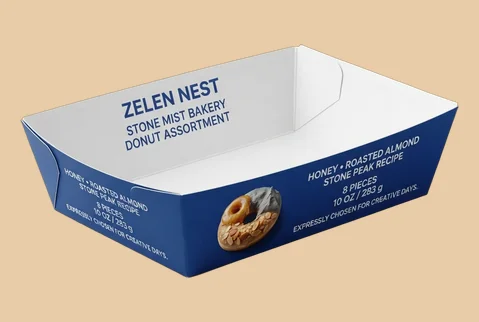
Use paper boat or open-tray formats for casual servings when immediate access matters, while printed sidewalls and panels keep the pack visually connected to the business.

  • Casual single-food servings
  • Open top presentation
  • Printed sidewall branding
  • Counter-service access

A simple serving route can still look intentional and unmistakably connected to your brand.

Customize Now
8 multi item carrier boxes

Multi-Item Carrier Boxes

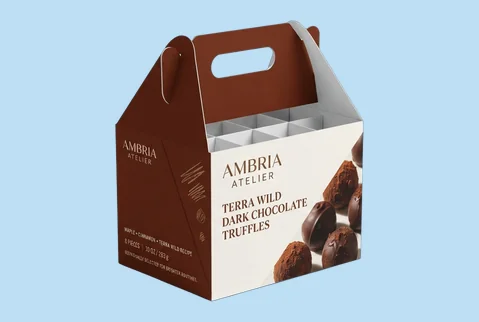
Organize drinks, sides or meal components within a carrier format using supported inserts, dividers or handle options selected around the order configuration and handoff needs.

  • Multiple order components
  • Insert or divider planning
  • Coordinated exterior printing
  • Carry and handoff support

A grouped order becomes easier to present as one complete branded experience.

Customize Now
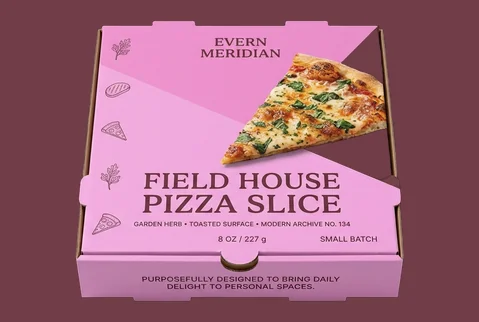
pizza slice packaging boxes

Pizza Slice Packaging Boxes

Customize Now
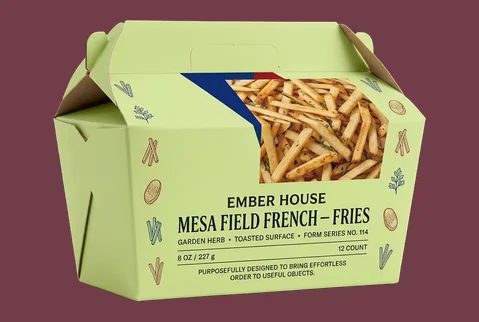
French Fries

French Fries Boxes

Customize Now
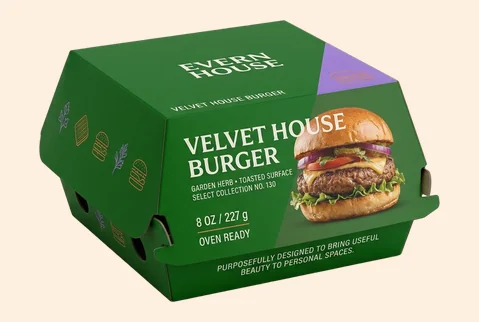
burger boxes

Burger Boxes

Customize Now
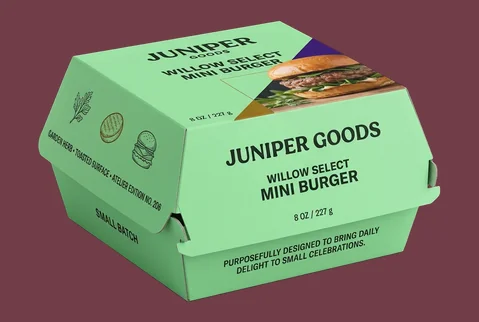
mini burger boxes

Mini Burger Boxes

Customize Now
pizza boxes

Pizza Boxes

Customize Now
Print Section Images 3

APPETITE, MENU & BRAND IN VIEW

Make Every Order Visibly Part of Your Brand

Fast-food packaging has only a brief moment to explain what it belongs to, especially at a counter, pickup shelf or delivery handoff. Use printing to make the menu item, campaign and parent brand easy to read as one system. Full-color artwork can give burgers, fries, wraps or salads their own visual cues; PMS spot colors can keep key brand shades controlled; white ink can create strong contrast on kraft; and outside or inside printing can carry the identity beyond the front panel. The business value is a range that feels connected while remaining easier to navigate.

  • Give menu categories distinct visual cues
  • Keep the parent brand clearly connected
  • Use every relevant panel with purpose
  • Build promotions into a familiar system
  • Continue selected brand cues inside
  • Stay recognizable across handoff channels
Get Instant Quote

SURFACE CUES WITH A JOB

Guide Attention Before the Box Is Opened

A finish should help a busy customer notice the right thing first, not make the box feel decorated without direction. On fast-food packaging, the surface may need to make a logo easier to find, separate a limited menu item from the core range or give a simple paperboard pack a more considered hand feel. Matte, gloss, soft-touch, aqueous coating, spot UV, foil, embossing, debossing and raised effects are available, but each should earn its place through the impression the brand wants to create and the selected food-use specification.

  • Emboss Deboss
    Set the Overall Energy

    Matte can calm a busy design, while gloss can support brighter, more energetic color. Soft-touch may give selected promotional or higher-value formats a more considered feel where it suits the structure and food-use plan.

  • Sport UV
    Make the Main Cue Easy to Find

    Use spot UV, foil, embossing, debossing or raised effects selectively on a name, logo or campaign cue. Concentrating contrast in one area can create clearer visual order than applying decoration everywhere.

  • Lamination
    Give Limited Menus Their Own Moment

    Seasonal offers, collaborations or special meal ranges can use selective surface contrast to feel distinct from the core menu while keeping the same recognizable parent-brand system.

gold foil retail 3 spot uv rigid 2 1786102605
image 3

MAKE THE FIRST REVEAL COUNT

Let the Order Feel Clear From the First Lift

The outside sets an expectation, but the first view inside decides whether the order still feels coordinated. For burger boxes, meal packs, carriers or divided takeaway formats, opening should make the food and its arrangement easy to understand without losing the brand character established outside. Inside printing can continue selected colors or messages, while cardboard inserts, dividers and trays can give suitable multi-item orders a deliberate layout. The goal is a direct, satisfying first access that supports product recognition and a more organized handoff—not a theatrical or repeated unboxing claim.

  • inserts
    Keep the Identity Moving

    Carry a useful color field, short message or visual cue onto the inside so the brand remains present when the lid lifts or the pack unfolds.

  • hand tabs
    Make the Meal Easy to Read

    Use supported cardboard inserts, dividers or trays where a combination order needs clearer separation. Each component can have an intentional place without turning the opening into a complicated process.

  • tuck top
    Lead With the Main Item

    Plan the structure and arrangement around what should appear first, then make sides or additional components easy to locate. The reveal should feel clear, quick and consistent with the service moment.

Get Instant Quote

Plan the Range Before You Approve the Run

A strong fast-food packaging decision starts with the served product, the handoff and the brand system you need to maintain. Share the real order details early so our team can help connect size, structure, material, print and production choices. The aim is not to sell you the most complex box. It is to identify a workable specification that supports your menu, your operating route and the customer impression you intend to create.

  1. details content icon 1785233336
    Measure the Served Product, Not the Menu Name

    “Burger box” or “meal box” is only a starting point. The specification should follow the actual item that enters the pack. Provide the product’s length, width and height, along with any wrapper, liner, inner container or presentation layer that changes the occupied space. For a multi-item order, include the number of components, their intended arrangement and whether a divider, tray or insert is needed. Removal clearance also matters. A close fit may look tidy, but the customer still needs a practical way to reach the food. We use these inputs to plan the dieline and structure rather than inventing a standard dimension that may not suit your product.

  2. details content icon 1785233336
    Match the Structure to the Service Moment

    Decide where the box will be seen and how it will be handed over. A compact burger or sandwich enclosure may suit direct counter service. An open food boat may fit a casual serving moment. A closed meal box or carrier may be more appropriate for pickup, delivery or a grouped order. A window route may help a grab-and-go item show what is inside where the approved specification supports it. You do not need one format to serve every channel. A connected family can use different structures while keeping the same logo placement, color logic and graphic language.

  3. details content icon 1785233336
    Confirm How the Food Meets the Box

    Tell us whether the food will touch the paperboard directly or sit inside a wrapper, cup or other inner container. Direct food contact is available with the selected material specification, and food-grade paperboard plus grease-resistant coating options are available. The exact choice should be confirmed against the food, contact condition and box construction before production. We do not make an FDA approval or blanket compliance claim. That boundary protects you from an unsupported statement and keeps the decision focused on the actual use. Share any legally required information or buyer-supplied food labeling that must appear in the artwork.

  4. details content icon 1785233336
    Build One Visual System Across the Menu

    A broad fast-food range often needs several designs without looking like several unrelated businesses. Start by defining the parent-brand elements that remain consistent, then decide which cues change for burgers, fries, wraps, salads, sides, limited menus or meal combinations. Full-color, digital, offset and flexographic printing are available, together with CMYK and PMS spot-color routes. Printing can cover outside and inside surfaces where the structure allows it, and white ink is available for kraft. Our role is to help translate the approved design into a production-ready layout; the visual system should make each item easier to distinguish while keeping the range visibly connected.

  5. details content icon 1785233336
    Use Openings and Dividers With a Clear Purpose

    Features should solve a real serving or handoff need. Cardboard inserts, dividers and trays can organize suitable multi-item formats. Handles are available for relevant carrier structures. Die-cut windows and window patching can be considered when seeing the food supports the selection moment. Choose these elements by what the customer needs to understand or access first. A divider may clarify a combination meal. An inside message may continue the identity after the lid lifts. A window may support product visibility. Adding every available feature rarely improves the result; a smaller set of purposeful choices usually gives the pack clearer direction.

  6. details content icon 1785233336
    Prepare Artwork Against the Final Dieline

    Once the structure and size are confirmed, build or adapt the artwork on the correct dieline. Free dieline or template support is available, along with artwork checking, resizing, and help with bleed and safe zones. Accepted production files include AI, PDF, PSD and EPS. There is no die or plate fee. A digital proof is provided for every approved order. Review panel orientation, copy, colors, variant names and any required information before approval. The digital proof confirms the approved production layout; it is not a physical prototype. A physical prototype may be available for a qualifying bulk or wholesale project, with its cost adjusted into the resulting order where approved.

  7. details content icon 1785233336
    Choose a Quantity That Fits the Rollout

    Supported paperboard, cardstock, kraft and corrugated fast-food box orders may start from 50 boxes. Beginning at that level does not automatically remove relevant sizing, material, exterior or interior print, finish or insert choices; the approved structure and production specification still determine what is suitable. Per-unit pricing generally improves as quantity rises, with more visible differences often appearing around 500 units. We will not attach an invented saving percentage to that change. Compare a launch quantity, a planned reorder and a wider rollout so the quote reflects both near-term demand and the packaging system you expect to keep using.

  8. details content icon 1785233336
    Set the Schedule Around Real Approval Steps

    Production normally takes 4–6 business days after payment, final artwork approval and structure confirmation. Production-ready jobs are generally planned to print and ship within 7 business days. Shipping transit time is separate, while complex multi-design orders may require a separately confirmed schedule. That sequence matters when several menu variants are involved. Late copy changes, delayed artwork approval or many short-run designs can affect the plan. We confirm the job requirements before production so the schedule reflects the approved work rather than an unsupported delivery promise. A general rush claim should not be applied to rigid or corrugated jobs.

  9. details content icon 1785233336
    Coordinate Multi-Location and Partner Programs

    For restaurant groups, promotions or agency-managed programs, the same order can be shipped to multiple addresses. Provide the destination list, quantities by location and any design allocation early so production and distribution can be planned together. Design firms and white-label workflows are also supported. Our team can work from approved files, help prepare the dieline and proof the production layout without presenting the service as an unlimited branding engagement. Bulk quantities can be handled, but the useful starting point remains the same: a confirmed structure, approved artwork, clear quantity split and realistic schedule. Bring the food dimensions, serving configuration, intended channel, quantity, material preference, artwork status and delivery locations to the quote. With those inputs, we can help turn a broad “fast-food box” request into a defined packaging range that is easier to approve, price and produce.

FAST-FOOD BOX QUESTIONS

Answers Before You Size, Print and Order


Yes. You can build a related packaging family around different foods instead of forcing one structure to handle every order. Burgers, fries, wraps, salads, noodles or meal combinations can use product-appropriate formats while repeating the same parent-brand colors, logo logic and graphic language. Full-color or spot-color printing can then give each menu category a clear cue without making the range look disconnected.

Paperboard, cardstock, kraft and supported corrugated formats are available. Smooth SBS paperboard can support clean graphics and controlled color, while kraft can create a warmer, craft-led character. Corrugated board can suit relevant larger meal, carrier or presentation formats. Paperboard options are available from 14 pt. to 24 pt.; the right choice depends on the food, box size, structure, handoff and intended feel rather than thickness alone.

Yes. Die-cut windows, window patching, cardboard inserts, dividers, trays and handle options are available. The useful combination depends on the job: a window may support grab-and-go visibility, a divider may clarify a combination meal, and a handle may suit a carrier format. Each feature should be confirmed against the selected structure and food-use specification so it serves the order instead of adding unnecessary complexity.

Yes. Printing can continue across the outside and inside surfaces where the approved structure allows it. Inside color, artwork or a short message can keep the identity present when the lid lifts or the box unfolds. The goal is not to fill every panel; it is to use the interior when it improves the first opening, product identification or connection to the parent brand.

Yes. Direct food contact is available with the confirmed material specification, and food-grade paperboard plus grease-resistant coating options are available. Tell us what food will touch the box and whether a wrapper, liner or inner container is involved so the material can be reviewed for that use. We do not claim FDA approval or blanket food-compliance certification, so any required legal or buyer-supplied information must be confirmed for the final application.

Yes. Supported paperboard, cardstock, kraft and corrugated formats may start from 50 boxes, so a smaller business can begin with packaging built around its own food and identity rather than a generic stock look. At that starting level, relevant custom sizing, exterior or interior printing, finishes and insert options are not automatically removed; suitability still depends on the approved structure and production specification. One-box production is not offered.

Start with the food as it will actually be packed. Measure its length, width and height, then include any wrapper, liner, cup or inner container. For a combination meal, add the component count, intended arrangement, divider or tray needs and enough clearance for practical removal. Share those inputs with our team, and we can help plan the structure and dieline without relying on an invented standard size.

AI, PDF, PSD and EPS production files are accepted. Free dieline or template support is available, along with artwork checking, resizing, and help with bleed and safe zones. A digital proof is provided for every approved order, and there is no die or plate fee. Review panel direction, copy, colors, menu variants and required information before approval, because the digital proof confirms the production layout rather than serving as a physical prototype.

Production normally takes 4–6 business days after payment, final artwork approval and structure confirmation. Production-ready jobs are generally planned to print and ship within 7 business days. Shipping transit time is separate, while complex multi-design orders may need a separately confirmed schedule. This is a planning window, not a seven-day delivery commitment, and approval delays can move the production start.

Yes. The same order can be shipped to multiple addresses. Provide the destination list, quantity required at each location and any design allocation early so the production and distribution plan can be prepared together. This can support restaurant groups, regional promotions or coordinated rollouts without treating every destination as an unrelated packaging program.

A physical prototype may be available for a qualifying bulk or wholesale project, and its cost may be adjusted into the resulting order where approved. It is not an unrestricted free-sample offer. Every approved order does include a digital proof, which lets you review the production layout before printing; the physical prototype is a separate option that must be confirmed for the project.

faq image

CUSTOMER SUCCESS STORIES

Hear What Our Customers Say

Review Section Image 1785499180
  • Review Star Icon
Premium Finishes, Even for Small Runs

As a small business, finding premium finishes in lower quantities was always difficult. Global Custom Packaging gave us the freedom to customize our boxes and create the distinctive, polished look we wanted without committing to a large order. We still work with them today and have expanded into multiple product variants, each with the same impressive presentation.

Jordan Blake
  • Review Star Icon
Our One-Stop Partner for Branded Packaging

We sell online and in stores while regularly promoting at major events, running influencer campaigns, and launching seasonal collections. Thunder Packaging has become our dependable source for everything—from premium mailer and product boxes to sturdy influencer kits, rigid packaging, kraft boxes, and limited-edition Christmas designs. Whatever structure, material, or branded look we need, we no longer have to go anywhere else.

Avery Quinn
  • Review Star Icon
Stress-Free Artwork From Preview to Print

I never worry about how my packaging will look or whether my artwork contains typos, incorrect bleed areas, or other design errors. Their 3D previews and helpful design support give me confidence before printing. If the team notices a problem, they contact me, correct it quickly, and never charge extra for the assistance.

Cameron Reese
  • Review Star Icon
Precise Printing and a Perfect Fit

I’m really impressed with Global Custom Packaging’s precise, richly saturated printing and the accuracy of their die-cutting. The boxes were produced in exactly the right size, with a clean, well-formed structure and no fitting or construction issues. The finished packaging looked polished, consistent, and ready to represent our products professionally.

Morgan Taylor
  • Review Star Icon
From Fast Quote to On-Time Delivery

I received my quote within a few hours, and once we agreed on the price, the designer responded quickly, completed the required changes, and prepared my artwork for printing. The 3D proof arrived promptly, allowing me to review everything and place my order that same day. My packaging was delivered on time, exactly as Global Custom Packaging had committed.

Harper Lane