


-

Low Starting Quantity
-

Digital Proof Included
-

Design Support Available
-
In-House Production
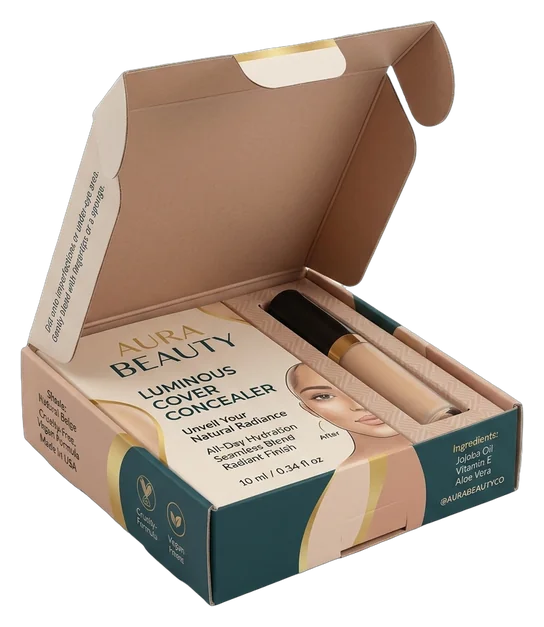
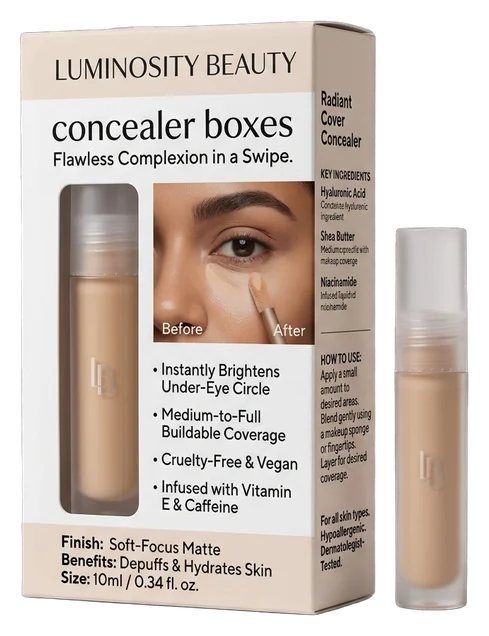
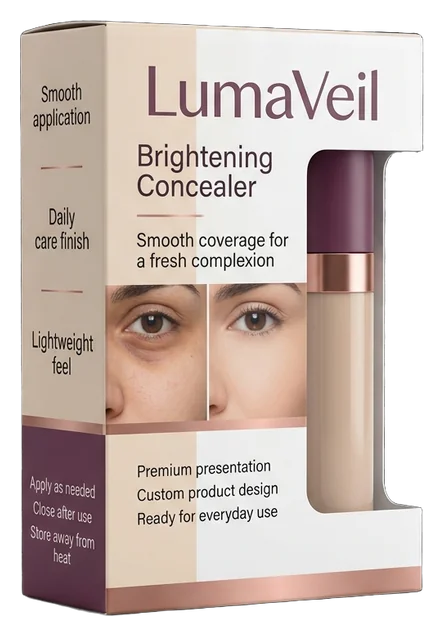
Give every concealer shade a box that looks unmistakably yours, clarifies the product at a glance, and carries the same considered brand experience through opening. Concealer shoppers often compare several similar-looking products in seconds, whether they are scanning a retail shelf, viewing a product image online, or opening a delivery. Custom packaging turns that brief encounter into a clearer brand decision. Use structure, color, typography, shade cues, and surface detail to make the format easy to understand and the brand easy to recognize. The result is a concealer box that supports confident selection, protects the intended product impression, and feels coordinated from the first view to the first opening. We help you build the right concealer box around the actual container, sales channel, range architecture, and customer moment. From a compact single-unit carton to a coordinated shade set or rigid launch box, our service keeps the structure, graphics, and reveal working toward one recognizable outcome. That outcome is backed by decisions customers can see and feel: proportions made for the tube, stick, pot, or palette; paperboard, kraft, rigid, or presentation-mailer routes; printing across relevant exterior and interior panels; selective finishes that direct attention; and inserts for sets or launch kits. Dieline and artwork support, digital proofing, low starting quantities, and in-house production help move the approved concept into a practical order without separating design intent from production reality.

Get Custom Quote
CONCEALER BOX FORMATS
Choose a Box That Fits the Product and the Brand
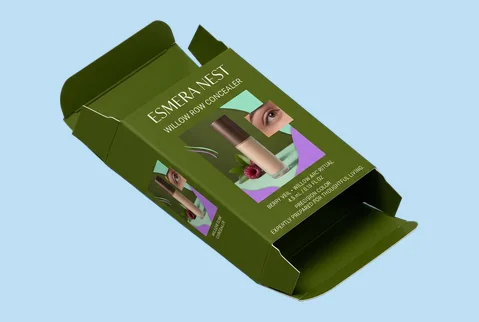
The best structure depends on what the concealer looks like, how many units or shades sit together, and where the customer meets the pack. A slim tube or stick may need a compact tuck carton with clear panel order, while a retail range may benefit from a window, hang-ready feature, or counter display. Sleeve, two-piece, and rigid formats create more deliberate reveals for launches, gifting, or PR. For sets, an insert can keep each item presented in order. We help compare these routes by fit, packing method, branding surface, opening sequence, and channel so the chosen box feels intentional rather than oversized or generic.
➜
Straight Tuck Cartons
A straight tuck format gives slim concealer tubes, sticks, and small pots a clean retail profile with aligned top and bottom closures. Its uninterrupted front-to-back panel flow supports disciplined shade, brand, and product information.
- Single concealer units
- Compact product fit
- Continuous branded panel flow
- Retail or e-commerce use
Choose it when efficient structure and a polished, easy-to-read pack matter equally.
Customize Now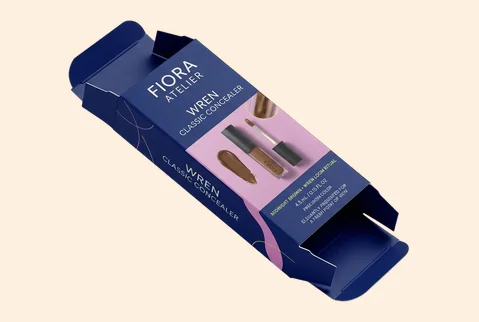
➜
Reverse Tuck Cartons
A reverse tuck carton keeps opposing closure tabs on different sides, making it a practical route for compact concealer packs. It preserves useful exterior space for shade cues, brand marks, directions, and required product details.
- Tube, stick, or pot formats
- Opposing tuck closures
- Clear shade and brand panels
- Shelf or hang-tab display
A familiar opening style gives growing ranges a custom look without adding unnecessary structural complexity.
Customize Now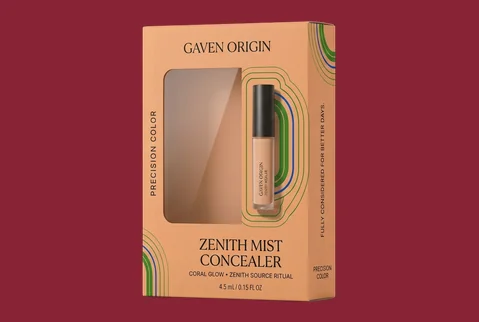
➜
Window Concealer Boxes
A die-cut window can show the container, cap, or selected product detail before the carton opens. When aligned carefully, it helps connect the visible concealer format with the printed shade story and brand character.
- Container or cap reveal
- Die-cut or patched window
- Printed shade framing
- Retail comparison support
Use the window as a purposeful product cue, not a cutout that interrupts important artwork or information.
Customize Now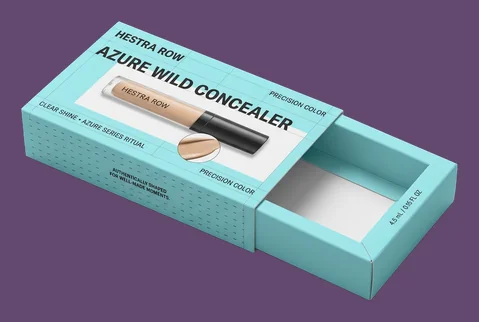
➜
Sleeve and Tray Boxes
A printed sleeve over a fitted tray creates a slower, more controlled reveal than a standard tuck carton. It suits premium single concealers, coordinated duos, or launch pieces that need stronger shelf and opening presence.
- Single products or duos
- Sliding tray presentation
- Full sleeve branding
- Controlled first reveal
The slide-out action extends the brand moment while keeping the product arrangement visually composed.
Customize Now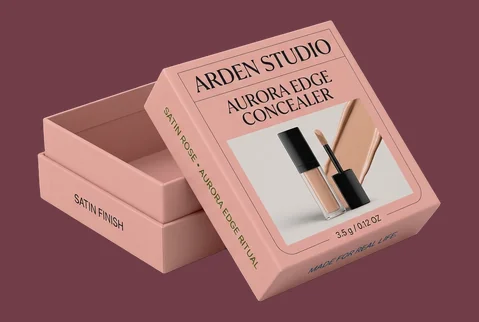
➜
Two-Piece Concealer Boxes
A lift-off lid and base give concealer sets, limited releases, or gifting formats a more substantial handoff. Paperboard, kraft, or rigid construction can be selected according to the desired feel, pack weight, and use.
- Sets and limited editions
- Separate lid and base
- Exterior and interior printing
- Gift or launch suitability
This format turns removal of the lid into a clear transition from brand story to product reveal.
Customize Now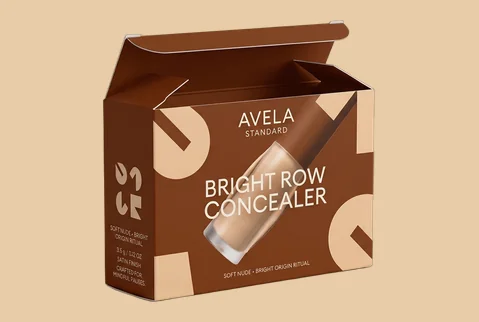
➜
Concealer Set Boxes
An insert-led set box keeps multiple shades, formulas, or applicator components in a planned order. It helps a sampler, artist kit, or complexion collection look deliberate instead of arriving as loose individual packs.
- Multi-shade configurations
- Cardboard or foam inserts
- Printed shade navigation
- Sampler or kit discovery
Use spacing and labels to help customers understand the collection before selecting the first product.
Customize Now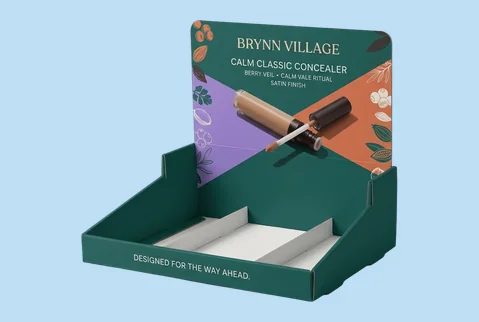
➜
Counter Display Boxes
A counter display presents several concealer units as one branded retail system. The header, tray, dividers, and unit cartons can work together to make shade groups easier to browse while keeping the parent brand visible.
- Multiple retail units
- Divided product arrangement
- Coordinated display graphics
- Countertop shade browsing
A unified display can make a broad range feel organized at the exact point of comparison.
Customize Now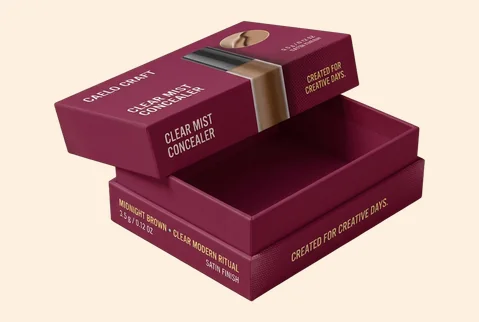
➜
Rigid Concealer Launch Boxes
A rigid setup box gives hero launches, PR mailings, influencer kits, and curated concealer collections greater physical presence. Magnetic, two-piece, drawer, or book-style routes can support a reveal designed around the campaign.
- Launch or PR collections
- Fitted foam or board insert
- Wrapped and printed surfaces
- Structured reveal sequence
Choose rigid construction when the opening is part of the campaign, not simply a way to access the product.
Customize NowMATERIALS THAT SET THE TONE
Choose the Physical Character Behind the Brand
The board is the first physical signal of how the concealer range should feel. Smooth paperboard can keep shade colors, small type, and polished graphics crisp; kraft can give a more natural or studio-made character; rigid greyboard can add weight and ceremony to a launch set; and micro-flute corrugated board can carry the identity into selected presentation mailers or larger kits. We help match the substrate to the container, pack count, channel, and intended impression, then confirm the structure before artwork is finalized. The right choice should support the brand promise in the hand, not merely meet a thickness specification.
Smooth Paperboard for Clean Definition

Coated SBS paperboard gives color fields, fine typography, buyer-supplied information panels and small shade identifiers a smooth, controlled print surface. It suits concealer lines that need a clean beauty-led character from the front panel through the sides and back.

Kraft for a Grounded, Tactile Identity

Kraft paperboard supports an earthy, minimal or studio-made identity. White ink can create clear contrast on the brown surface, while selective color and the natural board texture keep the pack intentionally tactile. The result can feel grounded without making the brand look unfinished.
Rigid Greyboard for Launch Presence

Rigid greyboard creates a more substantial handoff for PR kits, limited editions, artist sets or gifting. Wrapped surfaces, magnetic or lift-off structures and fitted inserts can make the box part of the launch experience rather than a simple outer carton.
Corrugated Board for Presentation Mailers

Micro-flute or another supported corrugated grade is relevant when several products, inserts or campaign materials need a sturdier presentation format. It can carry detailed branding into an e-commerce or PR arrival while remaining distinct from large commodity shipping-carton use.
SHADE, FORMAT & BRAND CUES
Make Every Concealer Variant Easy to Recognize
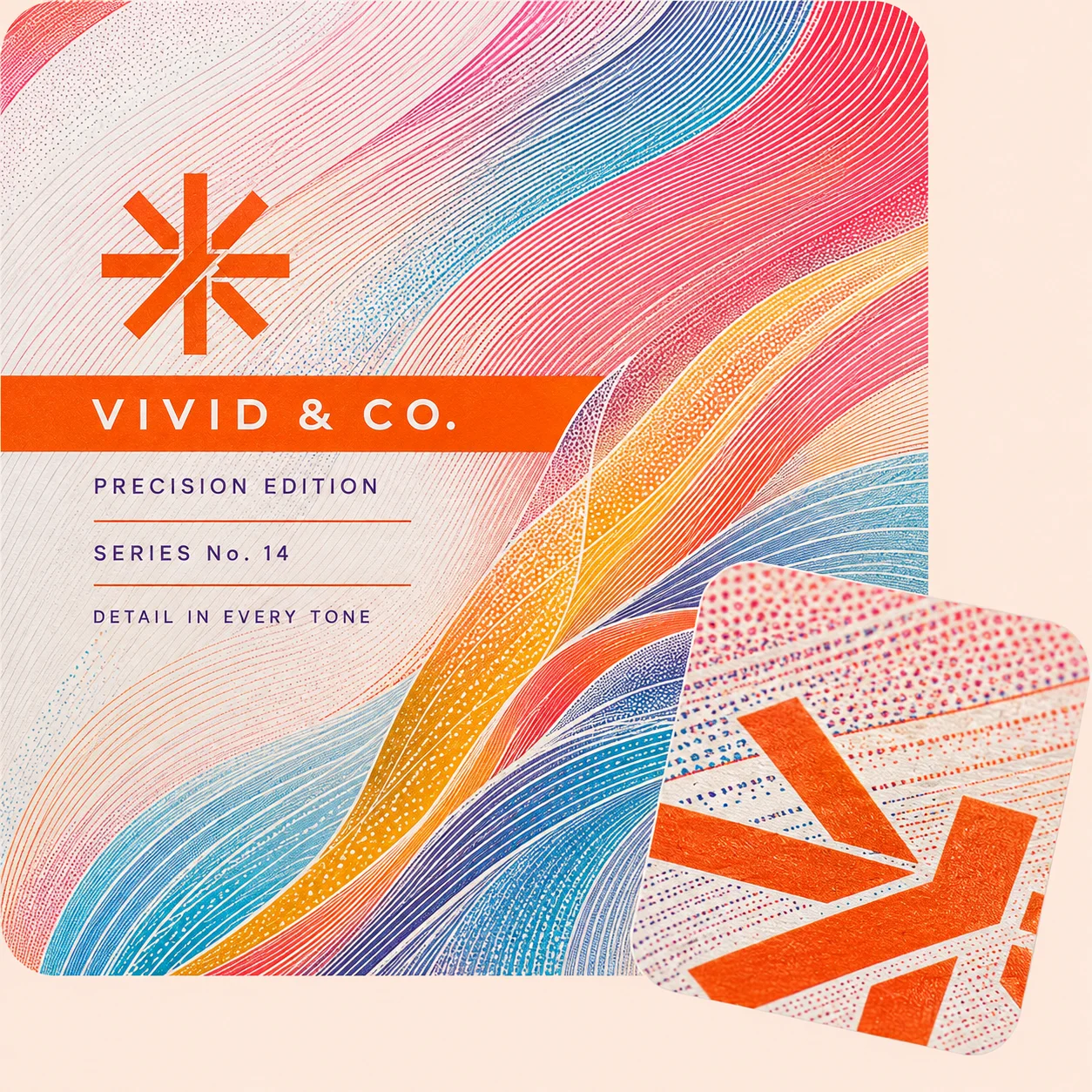
Concealer packaging has to do more than carry a logo. It may need to distinguish shade families, undertones, formats, finishes, coverage levels, or collection roles while keeping the parent brand unmistakable. We use full-color, spot-color, metallic, white-on-kraft, and relevant inside printing to build a visual system customers can follow at retail, in product images, during delivery, or inside a launch kit. The goal is a range that feels deliberately connected: each variant has enough character to be identified quickly, yet every box still belongs to the same brand. Artwork can extend across the front, sides, top, bottom, back, and interior where the selected structure allows.
- Give each shade family a clear visual code
- Keep undertone names easy to locate
- Separate liquid, stick, pot or palette formats
- Hold the parent brand steady across variants
- Use top and side panels for faster browsing
- Carry campaign cues into selected interiors
FINISHES WITH A JOB TO DO
Control What Customers Notice and Feel First
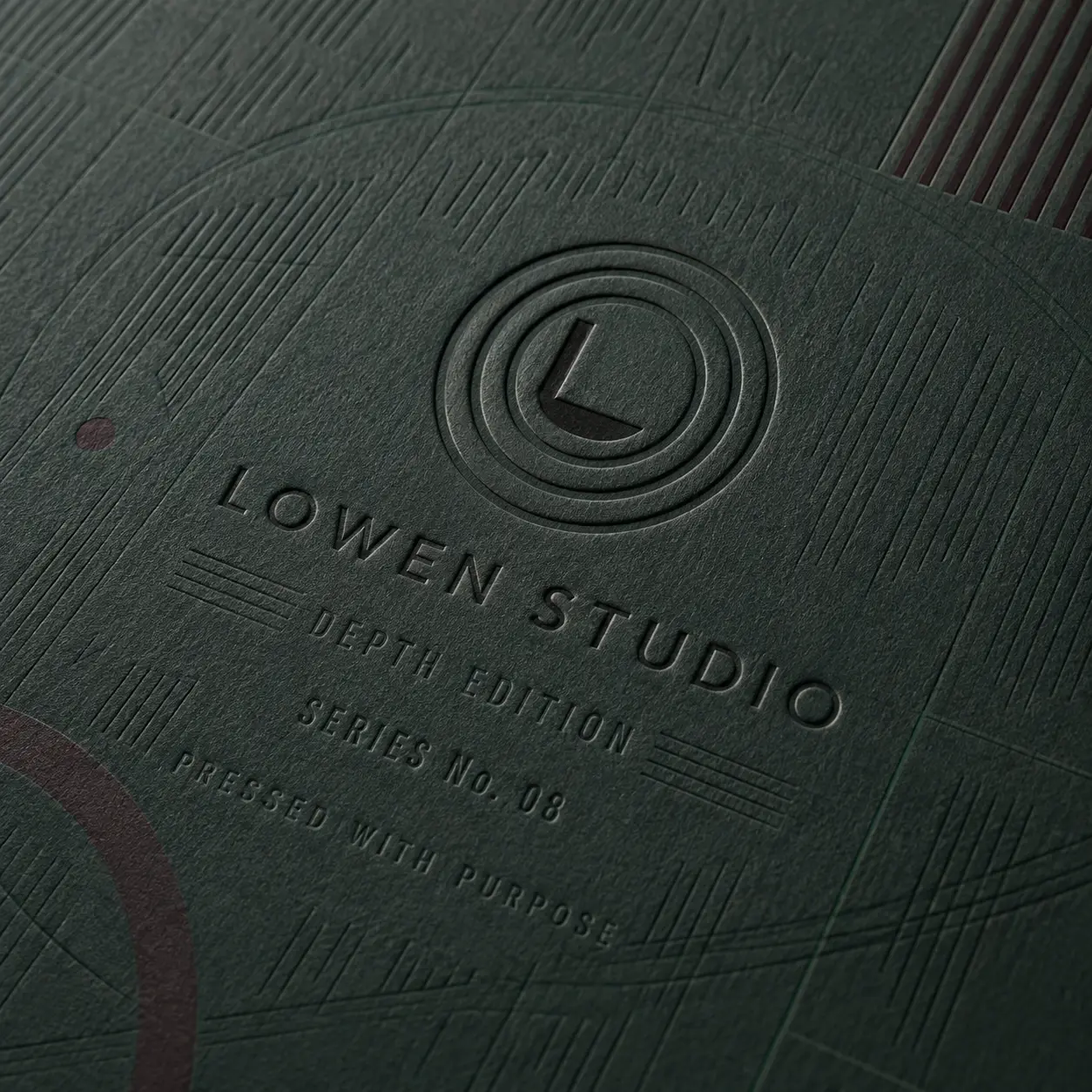
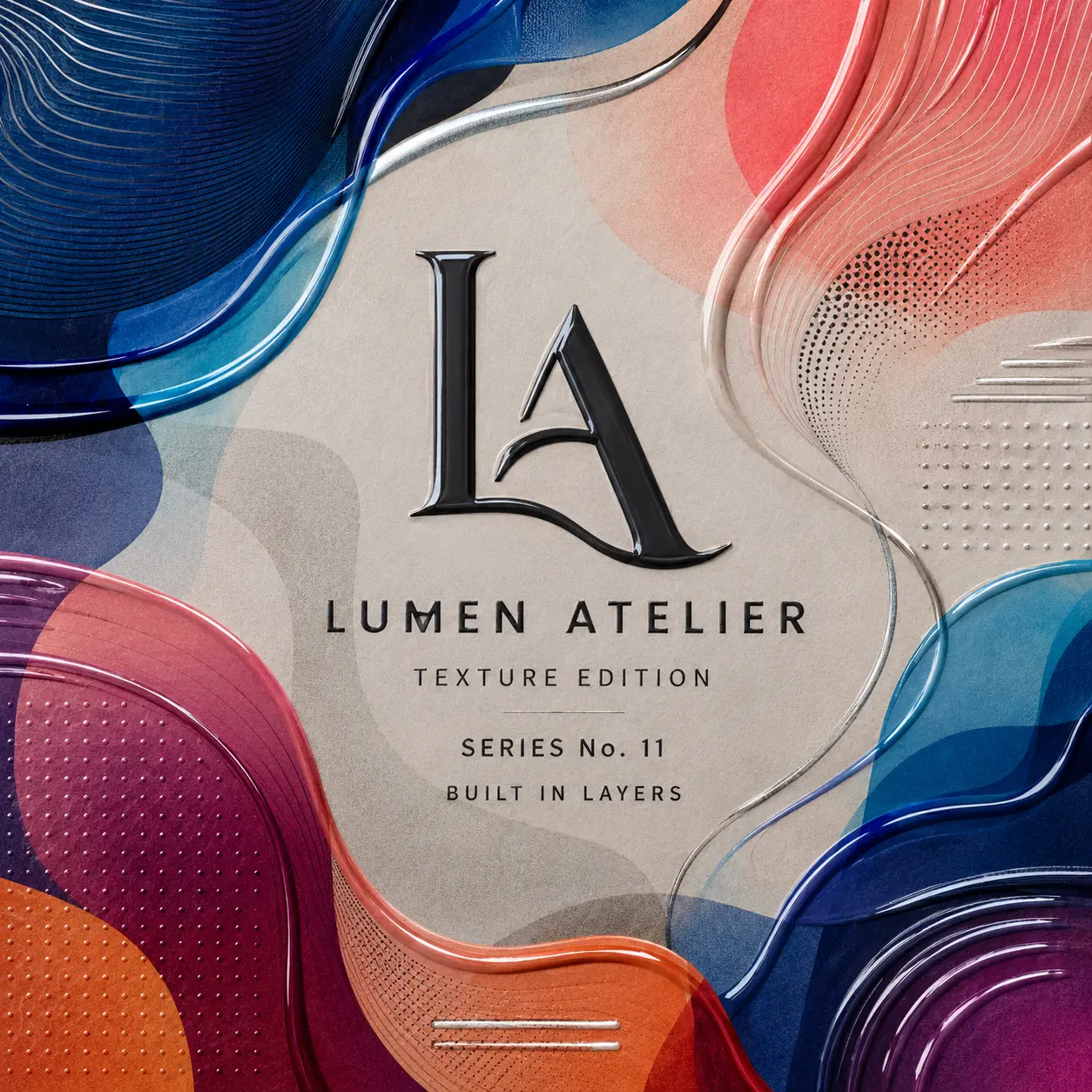
Finishes should make the concealer box easier to read and more consistent with the product position, not simply more decorated. A soft-touch or matte surface can quiet the background so shade names and brand marks feel composed. Gloss can sharpen a brighter, more energetic range. Foil, embossing, debossing, spot UV, and raised effects can then give selected elements more weight. We help assign each finish a clear purpose—overall mood, attention control, or edition distinction—so the box feels intentional in photographs, on shelf, in the hand, and at opening.
-
 Set the Range Mood
Matte or soft-touch lamination can give complexion-led or professional artist ranges a calm, controlled surface. Gloss can support vivid shade bands and higher-energy graphics. The choice should reinforce the brand character before any accent finish is added.
-
Give the Right Detail Priority
A foil-stamped logo, embossed monogram, debossed pattern, spot UV cue or raised detail can draw attention to the element that matters most. We help protect the reading order so the finish supports recognition instead of competing with it.
-
Distinguish Launches Without Breaking the System
Selective foil color, surface contrast or tactile detail can make a collaboration, seasonal edit or shade extension feel distinct while preserving the core typography and brand placement. That balance gives the release occasion value without making it look unrelated to the main range.


BRAND CONTINUITY INSIDE
Turn Each Opening Into Clear Product Discovery
A strong exterior sets an expectation; the interior should not make the product feel like an afterthought. For a single concealer carton, opening may be a brief access moment, so clean fit, a considered tuck, and a useful inside message can keep the identity intact. For duos, shade sets, artist kits, subscriptions, or PR launches, inserts and printed internal surfaces can guide what customers see first and how they understand the assortment. We shape that sequence around the real use, giving every product a deliberate place and every reveal a reason.
-
Keep the Identity Present
Carry a controlled color field, pattern, short message or campaign cue onto the relevant inside panel. This makes the shift from exterior to product access feel connected without crowding a small carton with unnecessary copy.
-
Make Shades and Formats Easy to Follow
In a multi-product box, use printed shade names, insert positions, dividers or sequence labels to show how tubes, sticks, pots, palettes or tools relate. Cardboard, paperboard, corrugated or foam inserts can be cut around the approved configuration.
-
Shape the First Reveal
Place the hero concealer, shade story or campaign message where it appears first, then organize supporting products around it. Sleeve, drawer, two-piece and rigid routes can create a deliberate reveal when the launch genuinely benefits from one.


EXPERT-GUIDED COSMETIC PACKAGING
Concealer Box Customization Made Easy & Fast — Built to Fit, Protect & Display
Our concealer packaging experts, structural designers, print specialists, consultants, and project managers make custom concealer box ordering easy and fast by bringing your tube, wand, stick, pot, palette, compact, or sample dimensions, cap or applicator clearance, shade count, selected box style, artwork, and brand direction into one production-ready structure. We guide product-fit clearance, insert or tray tolerance, window placement, hanger-tab strength, paperboard or rigid stock selection, coating and finish compatibility, shade-name, undertone, ingredient, barcode, QR, batch, usage, color-corrector, or warning-panel spacing where needed, dieline alignment, bleed and safe-zone setup, cost calculation, timeline planning, prepress preparation, and 3D proof review. The result is a custom concealer box that fits your cosmetic product, supports better retail or ecommerce handling, carries small beauty details cleanly, and moves to production with fewer sizing, print, structure, finish, or approval risks.
-
Fast
Specs-to-Quote Alignment
Experts align concealer format, tube or stick size, selected box style, stock thickness, inserts, artwork, shade variants, finish choices, cost, timeline, prepress setup, and 3D proof early — helping reduce quote delays and approval back-and-forth.
-
Exact
Tube, Stick & Palette Fit Review
We check tube height, cap width, wand length, stick diameter, pot depth, palette size, applicator allowance, insert tolerance, flap depth, and closure behavior so the concealer box fits the actual product more accurately.
-
Print-Ready
Shade, Ingredient & Finish Check
Print specialists review shade names, undertone labels, color-corrector panels, ingredient areas, barcode or QR spacing, batch details, usage notes, warning-panel space where needed, dieline alignment, bleed, safe zones, foil, spot UV, embossing, and finish-mask setup so concealer packaging artwork prints more cleanly.
Plan a Concealer Box That Is Ready to Produce
A useful packaging brief connects the product, the selling environment, the artwork system, and the order plan before production begins. Our team helps turn those inputs into a confirmed structure and dieline, so you can approve the fit and panel layout with fewer surprises. The steps below show what to prepare, what we will check, and where choices affect the schedule or price.
-
Start With the Actual Concealer Container
Send the container dimensions and, where possible, a physical sample or clear drawing. Measure the widest and tallest points of the filled tube, stick, pot, palette, or applicator—not only the nominal fill volume. Caps, pumps, wands, shoulders, and decorative parts can change the required fit. State whether the carton will hold one unit, a duo, a shade set, or an accessory.We use those inputs to plan length, width, height, closure movement, insert cutouts, removal clearance, and packing. Exact dimensions are confirmed during structural development; they should not be copied from another brand’s box. For a set, provide the final arrangement and identify which item should appear first.
-
Match the Structure to the Selling and Packing Route
Retail single units may prioritize compact footprints, visible shade codes, hang tabs, or counter-display compatibility. E-commerce units may need a presentation carton inside an outer mailer; PR and gifting projects may justify sleeve-and-tray, two-piece, or rigid formats with an insert. Tell us whether boxes will be hand-packed or line-packed and whether units ship individually or as a set.We compare assembly, closure, insert, and shipping implications before recommending a route. Corrugated board is available for suitable product boxes and presentation mailers; large commodity shipping cartons are outside the focus of this service.
-
Build a Variant Matrix Before Artwork
List each shade, undertone, formula, finish, size, or market version that needs different copy or graphics. A simple variant matrix helps prevent a shade name, barcode, ingredient panel, directions, or legal text from moving onto the wrong design. We can help resize approved artwork and keep common brand elements aligned across versions, but the buyer remains responsible for supplying and approving legally required or regulated product information.For multi-design orders, confirm quantities by version. Several low-quantity artworks can require more production setups than one larger run, so the schedule should be reviewed before approval.
-
Use the Dieline and Proofing Stage Properly
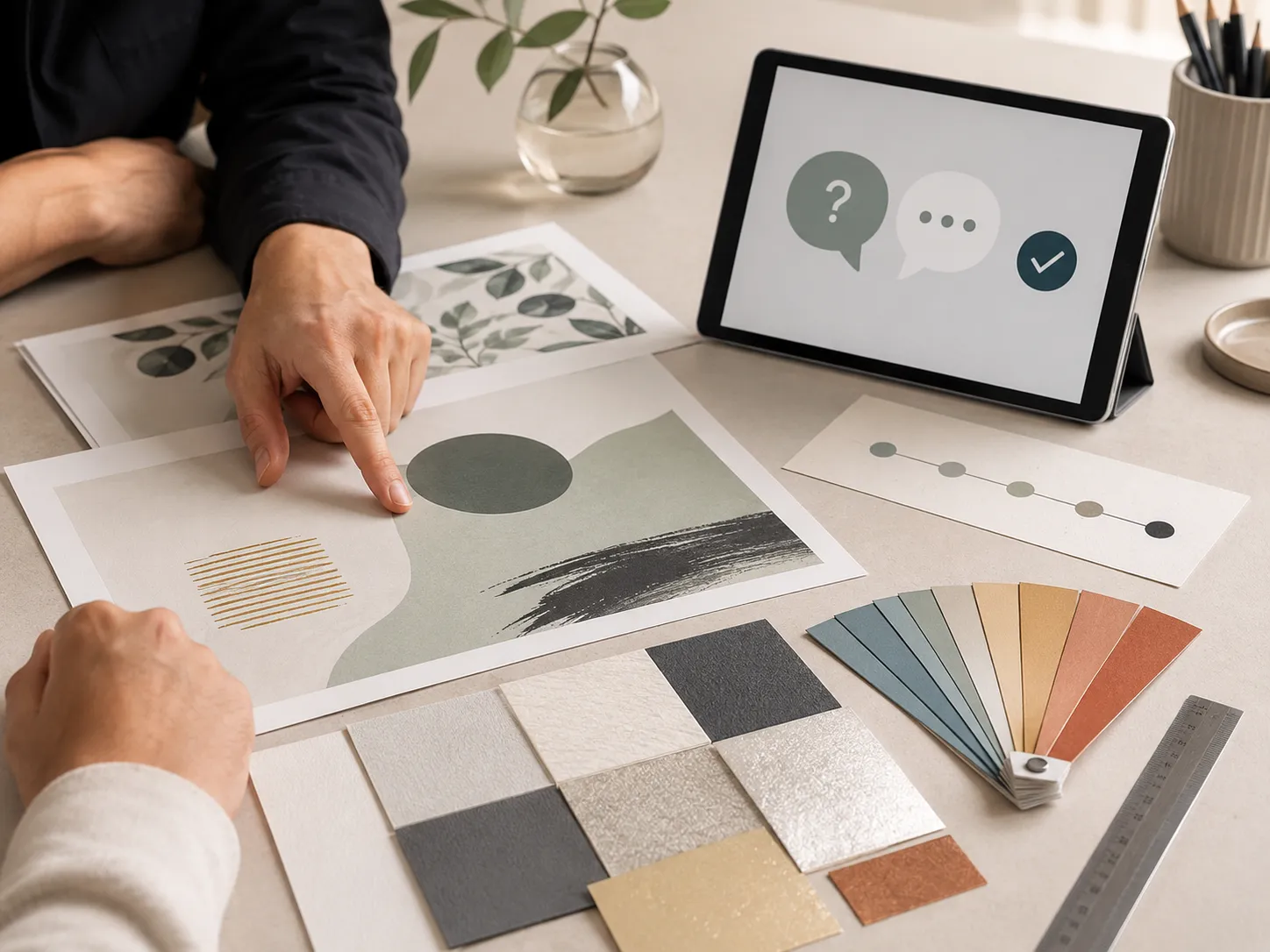
We provide dieline or template support and can check bleed, safe zones, panel orientation, image quality, color setup, and closure interference. Accepted production files include AI, PDF, PSD, and EPS. Design support is available, including resizing and practical prepress corrections; it should be used to make the supplied brand direction production-ready rather than to replace a full brand strategy.Every approved order receives a digital proof. Review dimensions, copy, shade names, barcodes, panel order, colors as represented in the proof, and any finish locations before approval. Printing does not begin until payment, final artwork approval, and structure confirmation are complete. No die or plate fee applies where supported by the approved production route.
-
Choose a Quantity That Fits the Launch
Paperboard, cardstock, kraft, and supported corrugated concealer packaging may start from 50 boxes. Supported rigid boxes may start from 25. These starting quantities can still use relevant custom sizing, exterior or interior printing, finishes, and inserts, subject to the approved structure and production specification.Per-unit pricing generally improves as quantity rises, with more visible differences often appearing around 500 units. We can quote tiers for a test launch, replenishment, or bulk run without inventing a fixed saving. A physical prototype may be available for a qualifying bulk or wholesale project, and its cost may be adjusted into the resulting order where approved. It is separate from the digital proof, and prototype availability is confirmed for qualifying bulk work rather than offered as a general sample program.
-
Confirm Production and Delivery Timing
Production normally takes 4–6 business days after payment, final artwork approval and structure confirmation. Production-ready jobs are generally planned to print and ship within 7 business days. Shipping transit time is separate, while complex multi-design orders may require a separately confirmed schedule.Tell us the required in-hand date, destination, number of versions, and whether the same order must go to multiple addresses. We will identify timing risks before the job proceeds. Rigid and corrugated schedules should be confirmed for the specific job rather than treated as general rush work. Delivery timing remains separate from production timing.Bring the final product dimensions, preferred quantity, brand files, variant list, channel, and target date to the quote stage. We can then build the structure, printing, finish, and opening decisions into one production plan instead of resolving them separately after artwork is complete.

CONCEALER BOX QUESTIONS
Answers Before You Size, Brand, and Order
Yes. We size the box around the actual filled container and the way it will be packed, not around a generic cosmetics template. Send the maximum length, width, and height, plus details such as the cap, wand, pump, shoulder, label, shrink band, or applicator. For a duo or set, also show the final arrangement and pack count. We use those inputs to develop the dieline, closure, insert cutout, and removal clearance. Exact dimensions are confirmed before artwork is finalized, so you do not need to guess a size from another concealer box.
Yes. Each shade or undertone can use its own color cue, name, number, or graphic treatment while the logo, typography, panel order, and shared brand elements remain consistent. A variant matrix helps us track which buyer-approved copy, barcode, ingredient panel, directions, and design belong to each version. CMYK, PMS or spot color, metallic ink, and full-color printing are available where they suit the approved material and run. Multi-design orders may require extra setup planning, so quantities and the production schedule should be confirmed by variant before approval.
A sleeve-and-tray, two-piece, drawer, or rigid setup box usually creates a more deliberate reveal than a standard tuck carton. The right choice depends on whether you are presenting one hero product, a duo, a shade set, an artist kit, or a PR launch. We can position the product, insert, and inside printing so the first view supports the campaign. For everyday retail single units, a well-fitted tuck carton may be the better answer; opening should feel appropriate to the product, not theatrical for its own sake.
Yes. Die-cut windows and patched windows can reveal the container, cap, or selected product detail, while cardboard, paperboard, corrugated, or foam inserts can hold one or several items in a planned position. Windows can be made in custom shapes and patches are available in different PVC thicknesses. Inserts are developed around the approved product configuration, including tubes, sticks, pots, palettes, or tools. We will check that the window does not interrupt essential artwork and that the insert supports access as well as display.
Yes. Paperboard, cardstock, kraft, and supported corrugated concealer packaging may start from 50 boxes, while supported rigid formats may start from 25. At those starting quantities, relevant custom sizing, exterior and interior printing, finish, window, and insert choices remain available where they suit the selected structure and production specification. This gives an emerging brand room to test a launch, introduce a shade extension, or prepare a limited campaign without defaulting to generic stock packaging.
AI, PDF, PSD, and EPS files are accepted, and artwork checking is available. We can provide a dieline or template, review bleed and safe zones, check panel orientation, resize supplied artwork for confirmed dimensions, and help correct practical prepress issues. Design support can also help make an approved direction production-ready, but you remain responsible for supplying and approving legally required product information. Final printing follows payment, structure confirmation, and approval of the digital proof.
Yes. Every approved order receives a digital proof before printing begins. Use it to check the structure, dimensions, panel order, shade names, barcodes, copy, colors as represented, and the placement of windows or finishes. A digital proof is not a physical prototype. A physical prototype may be available for a qualifying bulk or wholesale project, and its cost may be adjusted into the resulting order where approved. It should not be treated as an unrestricted free sample.
Production normally takes 4–6 business days after payment, final artwork approval, and structure confirmation. Production-ready jobs are generally planned to print and ship within 7 business days. Shipping transit time is separate, while complex multi-design orders may require a separately confirmed schedule. Share the required in-hand date, destination, number of designs, and quantity by version during quoting so any timing risk can be identified before the job moves forward. Rigid and corrugated projects need a confirmed schedule rather than a general rush promise.
CUSTOMER SUCCESS STORIES
Hear What Our Customers Say
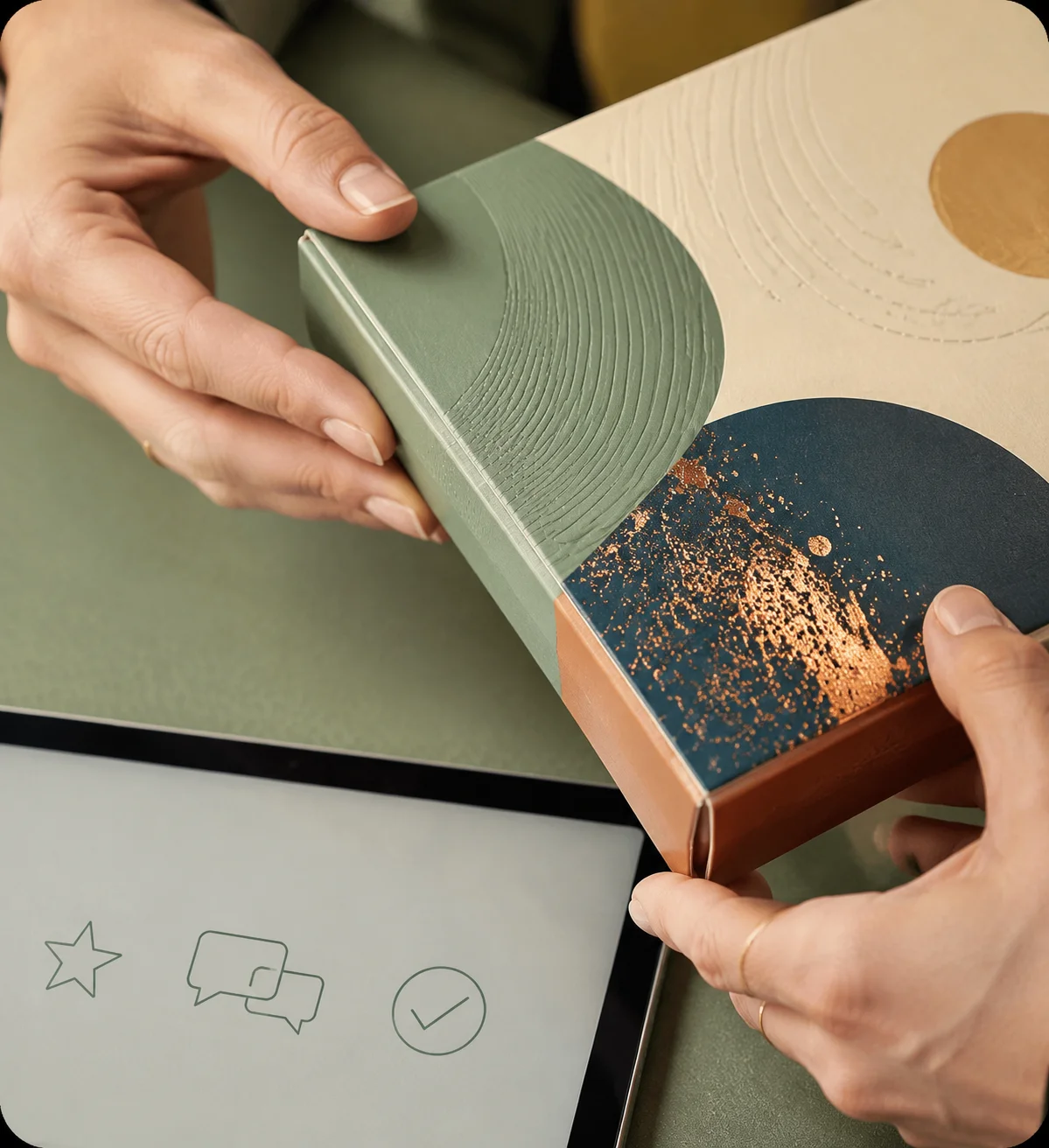

As a small business, finding premium finishes in lower quantities was always difficult. Global Custom Packaging gave us the freedom to customize our boxes and create the distinctive, polished look we wanted without committing to a large order. We still work with them today and have expanded into multiple product variants, each with the same impressive presentation.
Jordan Blake
We sell online and in stores while regularly promoting at major events, running influencer campaigns, and launching seasonal collections. Thunder Packaging has become our dependable source for everything—from premium mailer and product boxes to sturdy influencer kits, rigid packaging, kraft boxes, and limited-edition Christmas designs. Whatever structure, material, or branded look we need, we no longer have to go anywhere else.
Avery Quinn

I never worry about how my packaging will look or whether my artwork contains typos, incorrect bleed areas, or other design errors. Their 3D previews and helpful design support give me confidence before printing. If the team notices a problem, they contact me, correct it quickly, and never charge extra for the assistance.
Cameron Reese
I’m really impressed with Global Custom Packaging’s precise, richly saturated printing and the accuracy of their die-cutting. The boxes were produced in exactly the right size, with a clean, well-formed structure and no fitting or construction issues. The finished packaging looked polished, consistent, and ready to represent our products professionally.
Morgan Taylor
I received my quote within a few hours, and once we agreed on the price, the designer responded quickly, completed the required changes, and prepared my artwork for printing. The 3D proof arrived promptly, allowing me to review everything and place my order that same day. My packaging was delivered on time, exactly as Global Custom Packaging had committed.
Harper Lane