Folding Garment Boxes
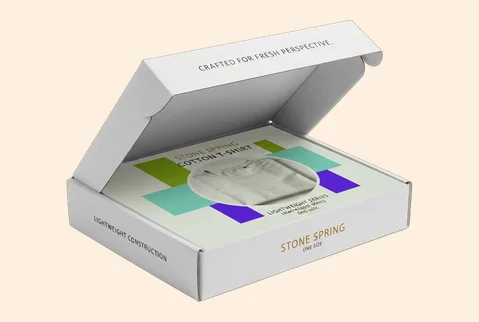
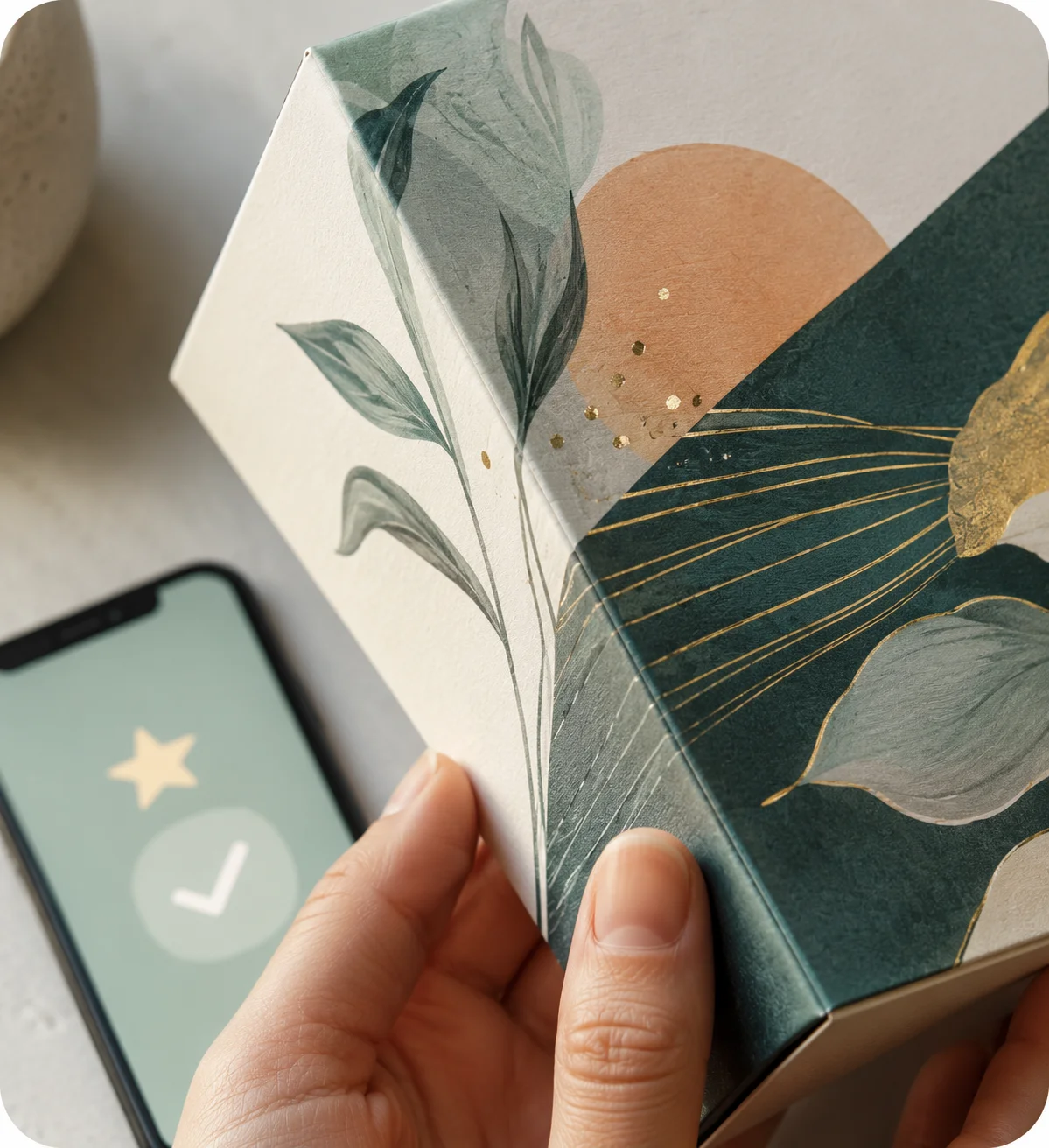
A practical paperboard route for shirts, T-shirts, knitwear and other neatly folded pieces. Custom sizing keeps the pack proportionate, while exterior and interior print turn a simple folding carton into a recognizable part of the label.
-
Single or stacked garments
-
Sized to the folded pack
-
Print across useful panels
-
Retail, gifting or delivery
A flexible choice when efficient storage, clean branding and straightforward access matter together.
Customize Now
Two-Piece Apparel Boxes
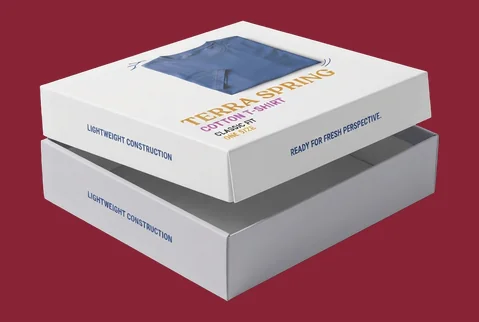
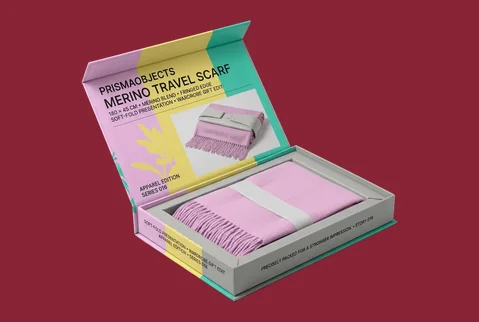
A separate lid and base give folded garments a more deliberate handoff and reveal. The format works well for shirts, scarves, lingerie, coordinated sets and gift purchases that should feel composed before opening.
-
One garment or coordinated set
-
Base sized for secure arrangement
-
Branded lid and inner surfaces
-
Boutique, gifting and wholesale use
The lifted lid slows the reveal and gives the garment more visual importance.
Customize Now
Rigid Apparel Gift Boxes
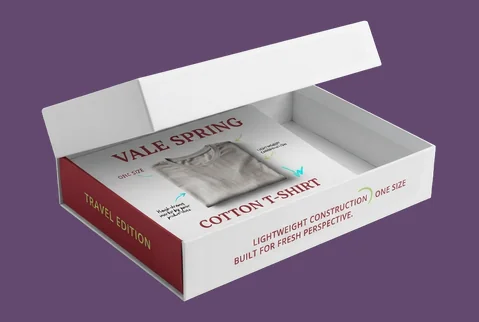
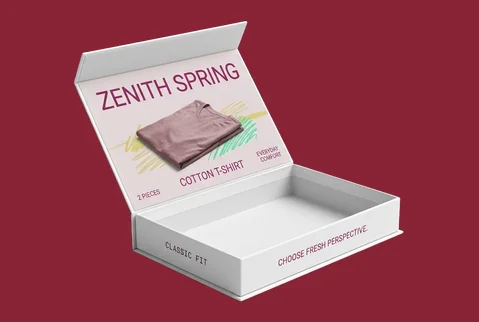
Rigid greyboard adds physical presence for premium garments, capsule collections, wedding apparel, corporate clothing gifts and influencer kits. Magnetic, hinged, drawer or two-piece constructions can be planned around the product and intended opening.
-
Premium garments and curated sets
-
Strong board with tailored fit
-
Wraps, print and tactile finishes
-
Gifting, launches and PR delivery
Choose rigid construction when the package should feel substantial during gifting, launch presentation or handoff.
Customize Now
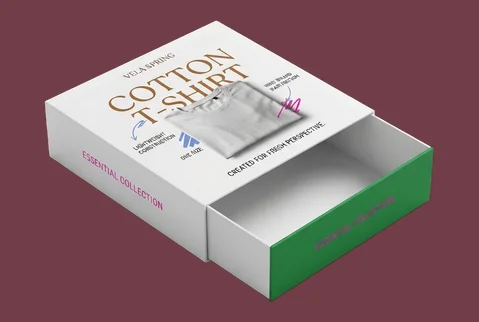
Drawer Apparel Boxes
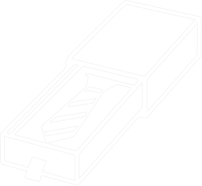
A sliding tray creates a controlled reveal for folded apparel, accessories or coordinated sets. It also gives the exterior sleeve and pull area distinct places for brand color, naming and finish details.
-
Folded garment with accessories
-
Tray controls product movement
-
Sleeve carries collection graphics
-
Gift and launch-ready opening
The pull-out action makes product discovery feel ordered without relying on excessive decoration.
Customize Now
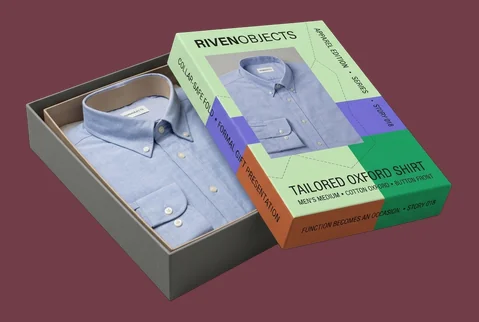
Sleeve & Tray Boxes
A printed sleeve can frame the collection while the inner tray supports the folded garment. This route suits seasonal drops, sample programs and retail sets that need a clear outer identity and a simple reveal.
-
Garment, set or sample pack
-
Tray planned around folded depth
-
Sleeve separates collection stories
-
Retail, sampling and gifting
Use the sleeve to change campaigns while keeping a coordinated structural family.
Customize Now
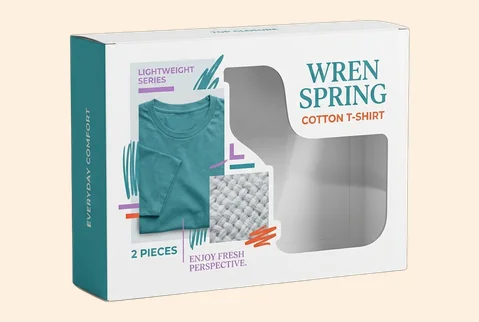
Window Apparel Boxes
A die-cut window gives customers a controlled view of color, texture or fold while the printed board carries the wider brand story. The opening shape and patch can be planned around the garment rather than using a stock position.
-
Visible color or fabric detail
-
Window aligned to the fold
-
Printed frame builds recognition
-
Retail display and gift selection
A useful route when product visibility should support, not replace, the label identity.
Customize Now
Apparel PR & Launch Kits
Launch kits can bring garments, accessories, printed pieces and product notes into one coordinated package. Compartments, dividers or inserts help establish a clear order for media, buyers, creators or internal teams.
-
Garment plus supporting pieces
-
Compartments guide the reveal
-
Campaign artwork across surfaces
-
PR, wholesale and launch programs
The service combines structural planning and artwork support for a more coherent campaign handoff.
Customize Now
Rigid Shirt Boxes
Give folded shirts a more considered retail handoff or gift-ready reveal with Custom Rigid Shirt Boxes. Our packaging support coordinates size, opening style, wrap, printing, and finishing so the box reflects your brand before and after opening.
- Two-piece boxes for direct shirt reveals
- Magnetic or sleeve styles add ceremony
- Printed paper or linen-wrapped rigid character
- Foil, embossing, spot UV, soft-touch finishes
Together, these choices make shirts feel deliberately prepared, visibly branded, and more considered from handoff through opening.
Customize Now
Rigid Apparel Boxes
Build a refined retail handoff or gift-ready reveal with Custom Rigid Apparel Boxes shaped around folded garments and brand identity. Our packaging support coordinates rigid structures, tactile wraps, printing, finishes, and interiors around the opening experience.
- Two-piece rigid styles for classic lift-off reveals
- Magnetic or sleeve styles for guided opening
- Paper wraps or linen create tactile character
- Inside-out printing, foil, embossing, or spot UV
Together, these choices keep apparel organized, visibly branded, and more considered from customer handoff through opening.
Customize Now
Cap Boxes
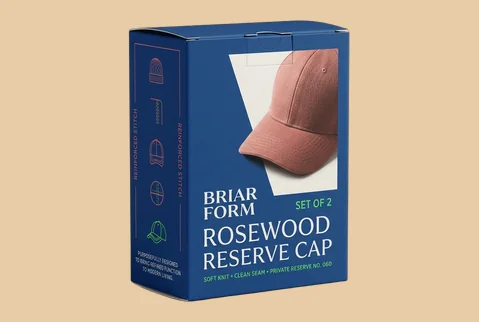
Shape a cleaner retail display or collectible gifting reveal with Custom Cap Boxes built around how your headwear should look and open. Our packaging support coordinates structure, material, printing, and finishes around each cap and brand direction.
- Folding tuck styles for everyday retail
- Drawer or rigid styles for gift reveals
- Smooth SBS, natural kraft, paper-wrapped rigid board
- Foil, embossing, or spot UV add distinction
The combination keeps caps recognizably branded, appropriately presented, and more considered from first glance through opening.
Customize Now
Hat Boxes
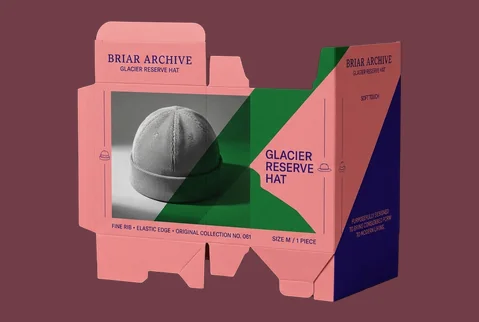
Shape a polished retail handoff or more gift-ready reveal with Custom Hat Boxes coordinated around your hat, brand style, and opening experience. Our packaging support helps combine suitable structures, material character, printing, and finishes for a more intentional presentation.
- Two-piece or magnetic styles shape the reveal
- Smooth paperboard or rigid board shape character
- Inside-and-outside printing keeps brand cues connected
- Foil, embossing, or spot UV add distinction
Together, these choices keep each hat clearly presented, recognizably branded, and intentionally revealed from handoff through opening.
Customize Now
Wallet Boxes
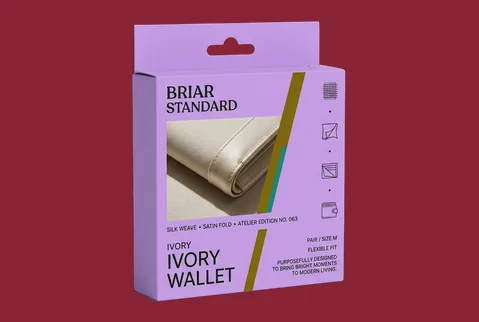
Build compact retail packs or more gift-ready presentations with Custom Wallet Boxes shaped around the look and reveal you want. Our packaging support coordinates structure, material character, printing, and finishes for single wallets, cardholders, or curated gift sets.
- Compact tuck styles for everyday retail
- Sleeve-and-tray formats for gift-ready reveals
- Smooth paperboard, natural kraft, or substantial rigid board
- Foil, embossing, or spot UV add distinction
Choose the combination that keeps wallets neatly presented, recognizably branded, and more satisfying to receive and open.
Customize Now
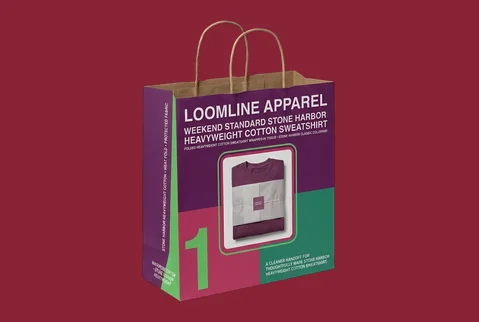
Apparel Paper Bag
Turn everyday apparel handoffs or gift purchases into a more distinctive brand moment with Custom Apparel Paper Bags. Our packaging support coordinates bag proportions, paper character, handles, printing, and finishes around how customers carry, receive, and reveal the garment.
- Paper handles suit everyday retail carrying
- Ribbon handles suit gift-ready apparel handoffs
- Natural kraft or smooth papers shift character
- Foil, embossing, or spot UV add distinction
Together, these choices give apparel handoffs a clearer brand identity and a more considered reveal.
Customize Now
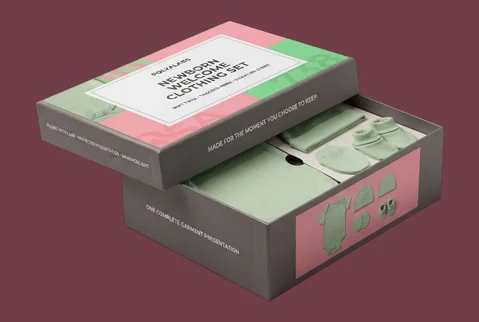
Newborn Clothing Boxes
Build compact retail packs or more gift-ready newborn sets with Custom Newborn Clothing Boxes coordinated around your garment mix and brand look. Our packaging support helps combine suitable structures, material character, printing, and finishes for handoff, delivery, or opening.
- Tuck-end cartons support compact retail packs
- Two-piece or magnetic styles shape gift reveals
- Smooth paperboard, natural kraft, or rigid board
- Full-color print, foil, embossing add distinction
Together, these choices help newborn clothing feel organized, recognizable, and intentionally presented from handoff through opening.
Customize Now
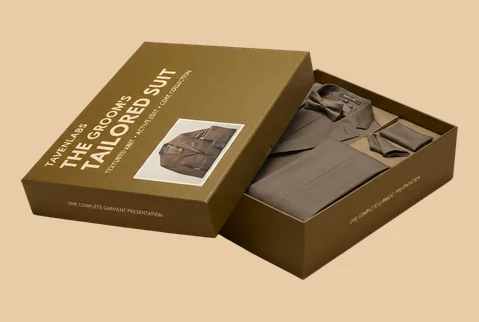
Groom Suit Boxes
Build a polished wedding handoff or a more gift-ready suit reveal with Custom Groom Suit Boxes shaped around your preferred structure and brand look. Our packaging support coordinates materials, printing, finishes, and format choices around the intended presentation.
- Two-piece structures support a composed handoff
- Magnetic or drawer styles shape the reveal
- Smooth paperboard, natural kraft, or rigid board
- Foil, embossing, or raised UV add distinction
Together, these choices make the suit feel deliberately presented, recognizably branded, and more considered from handoff through opening.
Customize Now
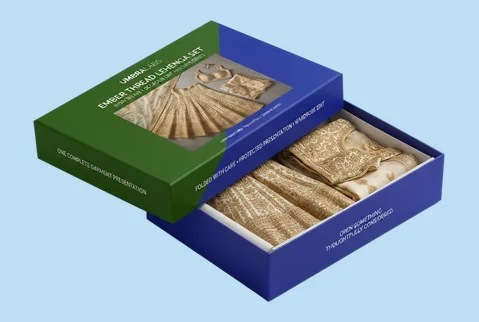
Lehenga Boxes
Shape a more considered retail handoff or gift-ready reveal with Custom Lehenga Boxes built around your preferred structure, material character, artwork, and finish. Our packaging support helps coordinate these choices around garment fit, brand identity, and opening experience.
- Two-piece styles support composed garment presentation
- Magnetic rigid formats create gift-ready reveals
- Smooth paperboard, natural kraft, substantial rigid board
- Foil, embossing, and spot UV add focus
Together, these choices help each lehenga feel intentionally presented, recognizably branded, and more considered from handoff to opening.
Customize Now
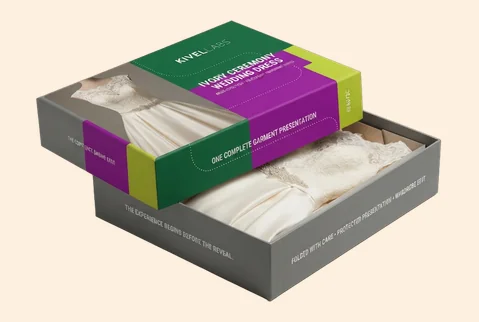
Wedding Dress Boxes
Build a refined boutique handoff or a more ceremonial bridal reveal with Custom Wedding Dress Boxes. Our packaging support coordinates rigid or paperboard structures, material character, branded printing, and finishing around the garment, brand, and opening moment.
- Two-piece or magnetic styles shape bridal reveals
- Smooth paperboard, natural kraft, or rigid board
- Foil, embossing, or raised UV add distinction
- Inside-and-outside printing keeps branding connected
Together, these choices make the gown handoff feel deliberate, brand-connected, and more considered from first sight through opening.
Customize Now
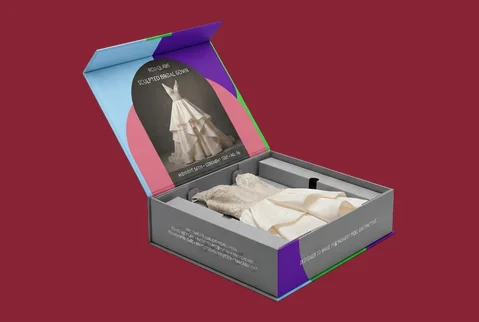
Bridal Gown Boxes
Turn bridal gown handoffs or gift-ready reveals into a more considered brand moment with Custom Bridal Gown Boxes. Our packaging support coordinates structure, material character, printing, and finishes around the gown, intended look, and opening experience.
- Two-piece structures suit considered gown handoffs
- Magnetic closures support gift-ready opening moments
- Smooth paperboard, natural kraft, or rigid board
- Foil, embossing, or spot UV add distinction
Together, these choices make gown handoffs feel intentionally branded and give the opening a more considered sense of occasion.
Customize Now
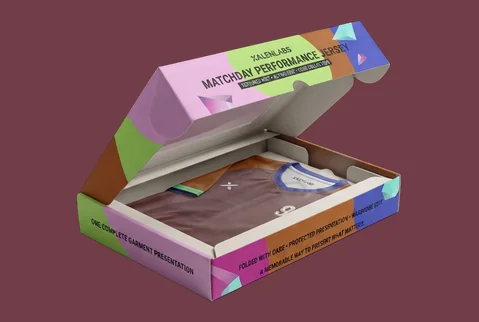
Jersey Boxes
Build compact retail packs or more gift-ready jersey presentations with Custom Jersey Boxes shaped around your chosen opening, material character, graphics, and finish. Our packaging support helps coordinate those choices for customer handoff, gifting, or unboxing.
- Tuck-end styles support compact branded packs
- Two-piece and sleeve formats shape gift-ready reveals
- Smooth paperboard, natural kraft, or rigid board
- Foil, embossing, spot UV add surface distinction
Together, these choices help each jersey box feel deliberate, recognizable, and suited to retail handoff or gifting.
Customize Now
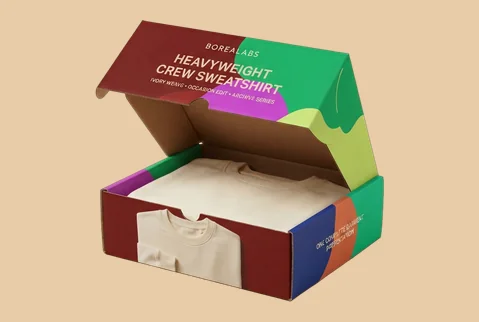
Sweatshirt Boxes
Shape everyday retail packs or gift-ready sweatshirt reveals with Custom Sweatshirt Boxes coordinated around the folded garment, brand identity, and opening moment. Our packaging support helps combine suitable structures, material characters, printing, and finishes for each route.
- Compact tuck-end styles for retail handoff
- Two-piece, sleeve-and-tray, or magnetic gift formats
- Smooth SBS, natural kraft, or rigid board
- Full-color print, foil, embossing, or spot UV
The right combination gives each sweatshirt a clearer brand presence and a more intentional handoff or reveal.
Customize Now
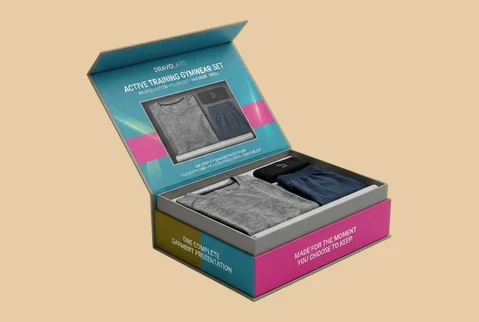
Gymwear Boxes
Build sharper retail packs or more gift-ready gymwear reveals with Custom Gymwear Boxes shaped around your brand and product format. Our packaging support coordinates structure, material character, printing, and finishes for handoff, delivery, or unboxing.
- Tuck-end and mailer styles suit everyday use
- Sleeve, two-piece, or rigid styles shape reveals
- Smooth SBS, natural kraft, or rigid presence
- Foil, embossing, spot UV add surface focus
Together, these choices make gymwear easier to present, recognize, receive, and open with deliberate brand character.
Customize Now
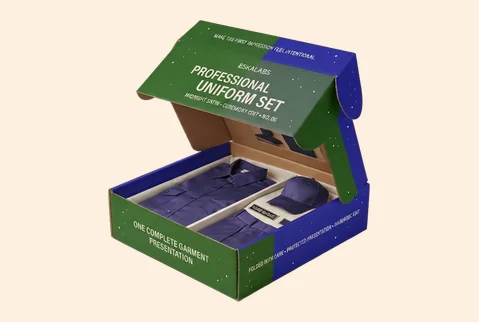
Uniform Boxes
Build a cleaner customer handoff or more gift-ready uniform reveal with Custom Uniform Boxes shaped around your preferred opening, material character, and branded surface treatment. Our packaging support coordinates those choices around folded garments, sets, delivery, or presentation needs.
- Compact tuck-end styles for everyday handoff
- Sleeve or two-piece styles for staged reveals
- Smooth paperboard, natural kraft, or rigid board
- Foil, embossing, or spot UV add distinction
Together, these choices make uniforms easier to present consistently and more considered from handoff through opening.
Customize Now
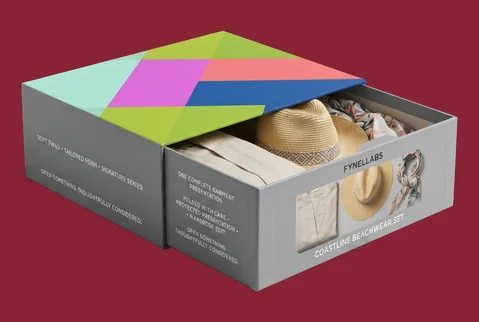
Beachwear Boxes
Build compact retail packs or more gift-ready beachwear presentations with Custom Beachwear Boxes coordinated around the look and opening experience you want. Our packaging support helps align structure, material character, printing, and finishes for display, handoff, or reveal.
- Tuck-end styles suit compact retail display
- Sleeve, two-piece, or rigid styles shape reveals
- Smooth SBS, natural kraft, or rigid board
- Foil, embossing, or spot UV add emphasis
Together, these choices support clearer brand recognition and a more considered retail, handoff, or opening experience.
Customize Now
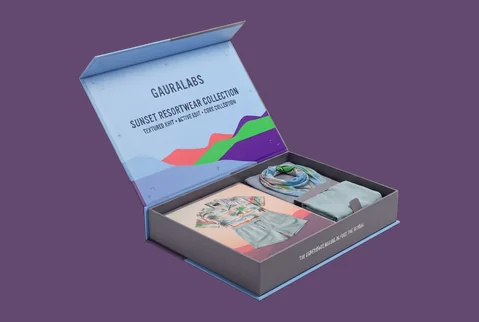
Resortwear Boxes
Build compact retail packs or gift-led resortwear presentations with Custom Resortwear Boxes shaped around how each garment or coordinated set should be seen and opened. Our packaging support helps coordinate structure, material character, printing, and finishing for the chosen moment.
- Folding cartons or two-piece apparel boxes
- Magnetic, sleeve-and-tray, or handled gift formats
- Smooth paperboard, natural kraft, or rigid greyboard
- Full-color print, foil, embossing, or spot UV
Together, these choices make resortwear easier to present, recognize, gift, and reveal in a deliberately branded package.
Customize Now