• Free Design Support
  • Fast Turnaround
  • Low Minimums.
Mix Material FInish Adons 1 Mix Material FInish Adons 2 Mix Material FInish Adons 3 Mix Material FInish Adons 4

Custom Material Boxes

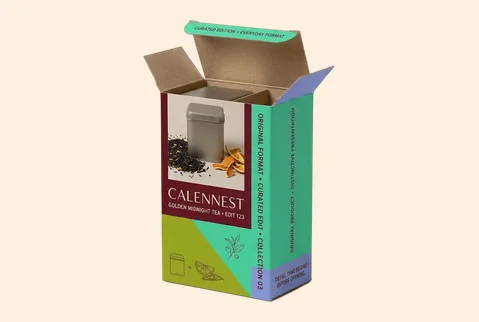
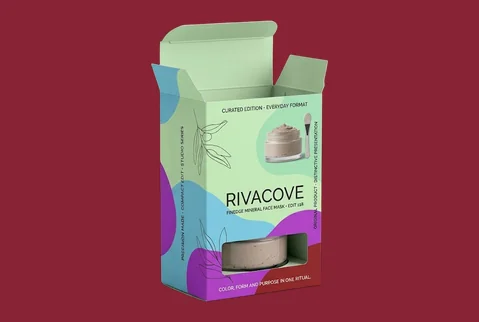
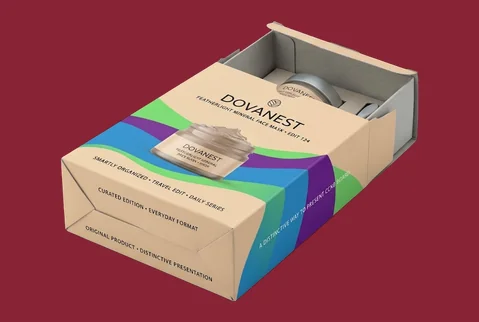
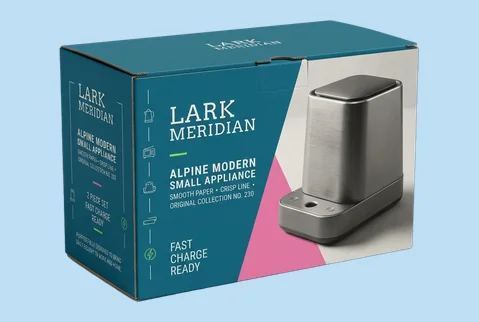
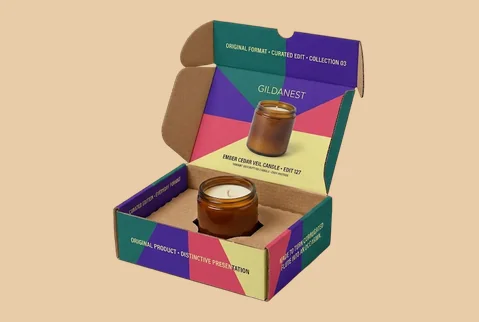
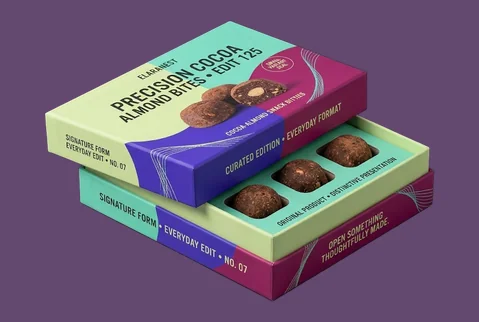
Choose custom material boxes that give your product the right visual weight, surface character and opening feel, so every customer encounter begins with packaging that fits your brand.

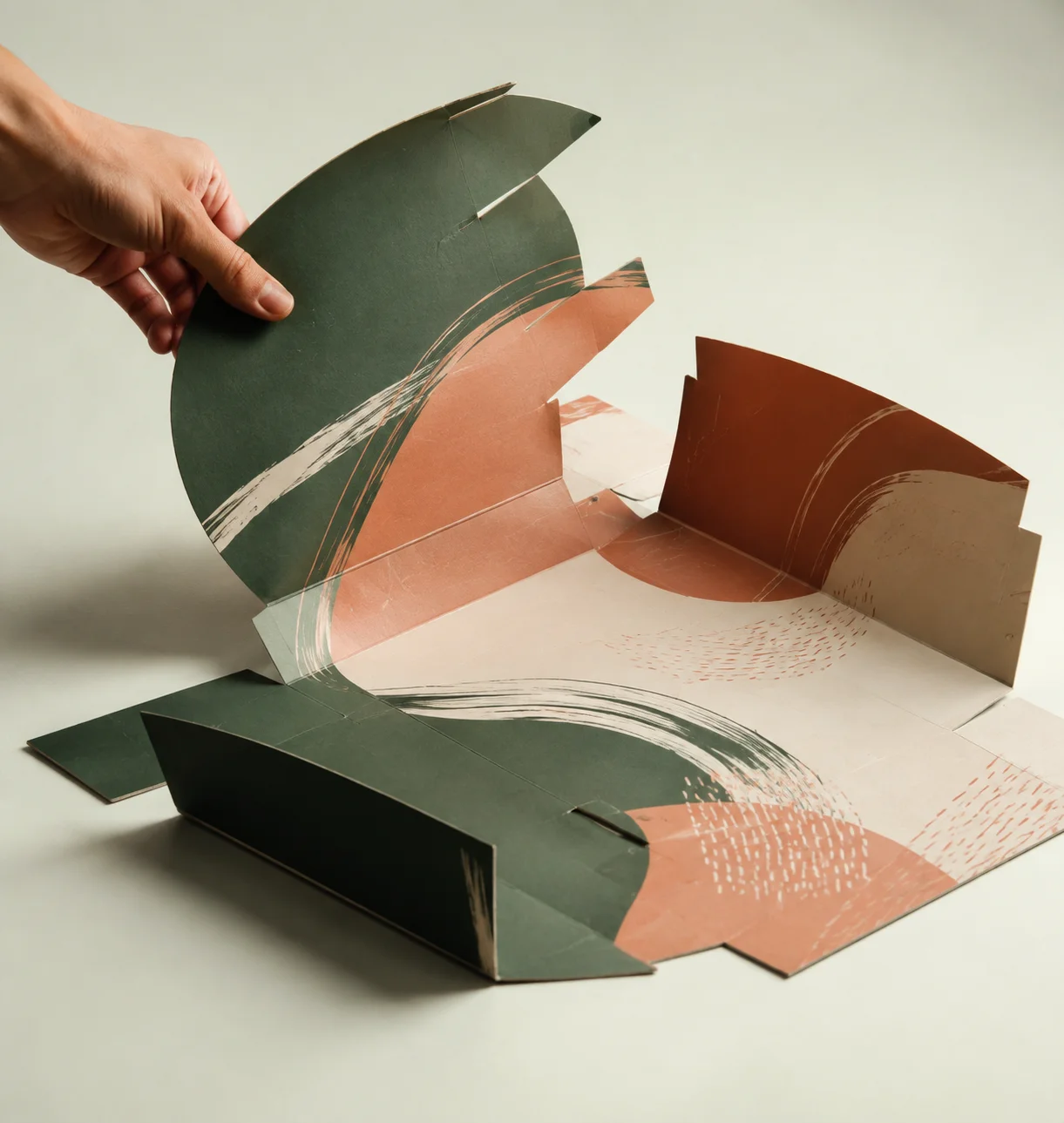
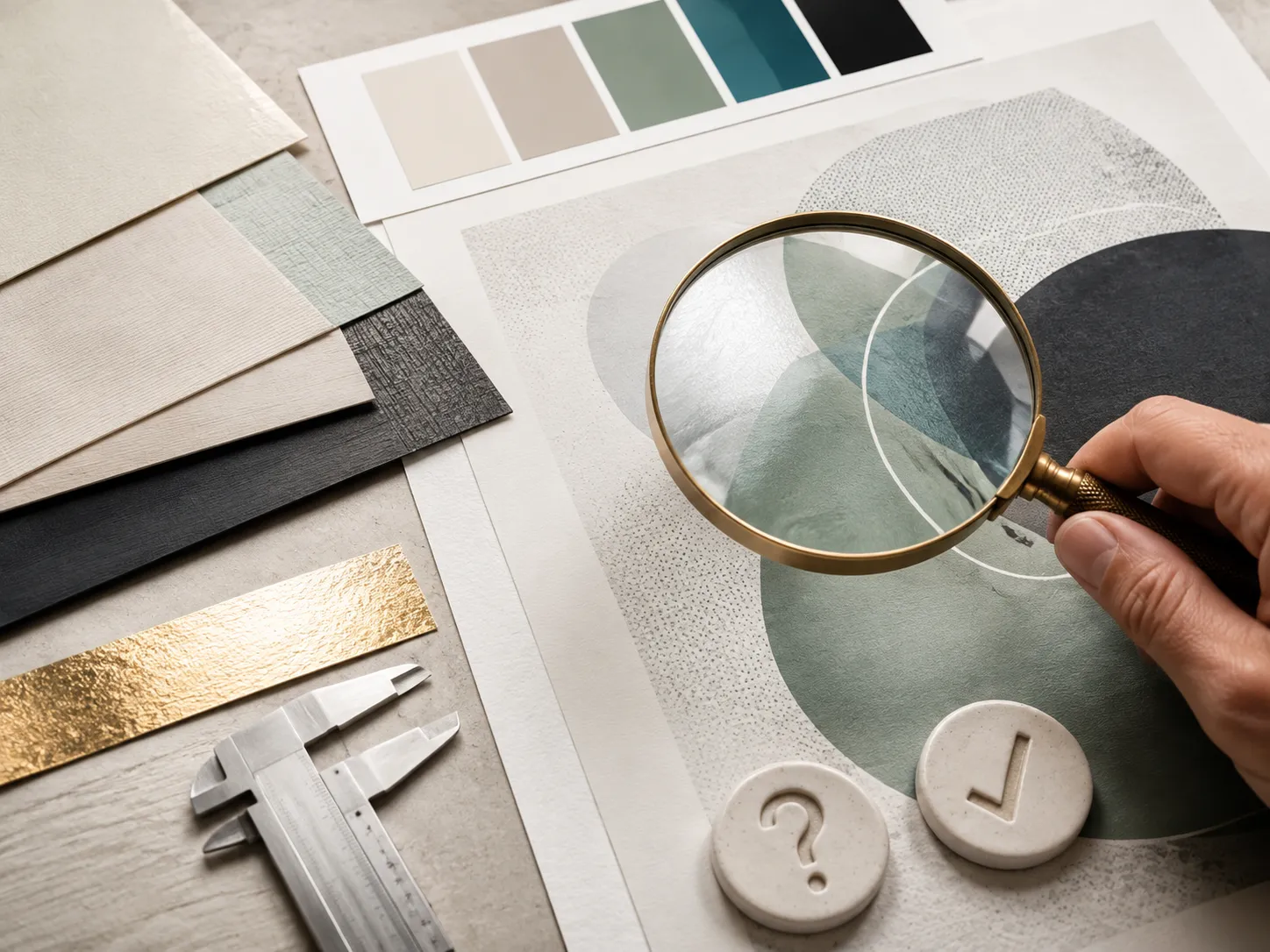
Customers may see your packaging on a retail shelf, receive it by hand, or meet it at delivery. In each moment, the material influences how they read the product before they study the details. Custom sizing, coordinated print and a structure suited to the selected board can turn a generic container into a clear expression of quality, personality and purpose. The result is packaging designed to support recognition, make the product feel deliberately presented and carry that impression into opening. Build around the impression your product needs to create, from clean and polished to natural, substantial, gift-ready or technically confident. We help connect material, structure, printed surfaces, finishes and interior arrangement, giving you one coordinated route from the first sizing decision to an approved production specification. Support begins with fit planning and continues through material guidance, dieline preparation, artwork checks and digital proofing. Choose from supported paperboard, cardstock, Kraft, rigid greyboard, corrugated and wrapped-material routes, then add relevant exterior or interior printing, surface finishes, windows, handles, dividers or custom-cut inserts. The main paper-based production stages—including plate making, print, laminations, finishes and rigid setup—are handled in-house, while your final specification is planned around the product, pack configuration, customer-facing channel and intended opening.

  • Clean and disinfect
  • Mop floors and clean
  • Wipe down kitchen
  • Organize clutter and items
box

Get Custom Quote

STRUCTURES BY PURPOSE

Choose a Box Route That Fits the Customer Moment

Material matters most when it works with the right structure. A folding carton may suit a retail product that needs clear panel communication, while a rigid setup box can give a gift or curated set more physical presence. Corrugated mailers can carry branded character into delivery, and sleeves, windows, displays or handled formats can change how a customer sees, carries and opens the pack. Compare each route by product fit, arrangement, visible brand surfaces and the moment in which the box must perform, then customize the option that best supports your product and customer experience.

1 folding cartons 3045f055

Folding Cartons

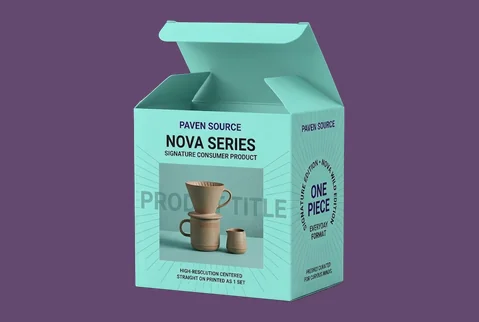
Use paperboard, cardstock or Kraft to create a clean, information-led pack for products that need clear front, side and back communication in retail, gifting or direct handoff.

  • Product-sized panel layout
  • Tuck or bottom closures
  • Outside and inside printing
  • Retail or handoff use

A versatile route for keeping product information and brand character clear in one compact structure.

Customize Now
2 rigid setup boxes

Rigid Setup Boxes

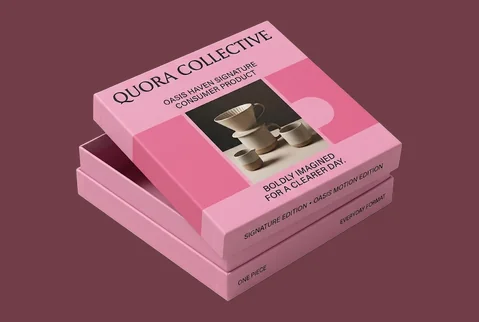
Choose rigid greyboard when the box itself should feel substantial and remain part of a considered gift, presentation set or high-value product handoff experience for customers.

  • Single or multi-product sets
  • Magnetic or lift-off formats
  • Wrapped exterior brand surfaces
  • Gift and presentation use

The added physical presence helps the customer read the contents as deliberately selected and arranged.

Customize Now
3 corrugated mailer boxes 860a3186

Corrugated Mailer Boxes

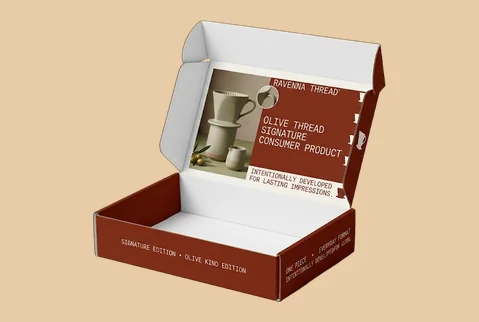
Use supported corrugated flutes for delivery, subscription, promotional or kit formats that need a branded exterior and a coordinated customer experience when the lid opens.

  • Product or kit configuration
  • Fitted corrugated inserts
  • Full-surface brand artwork
  • Delivery and opening suitability

A practical way to connect arrival, recognition and product discovery within one branded mailer.

Customize Now
4 two piece boxes 0b2ec6f5

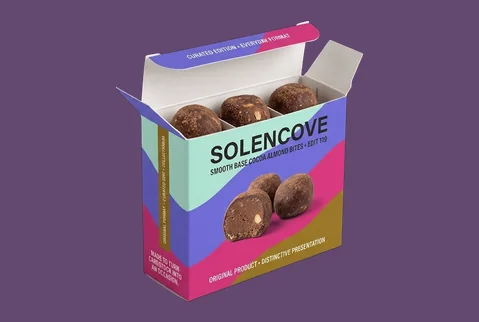
Two-Piece Boxes

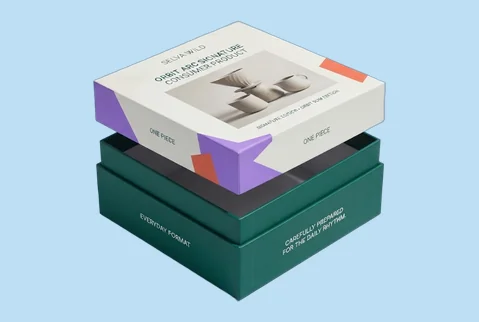
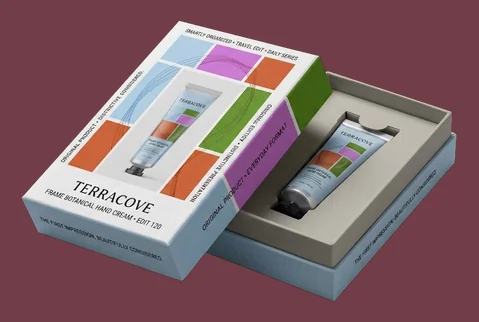
Separate lid-and-base construction creates a measured reveal and gives paperboard, Kraft or rigid formats broad surfaces for a focused brand statement at gifting or handoff.

  • Single item or set
  • Optional trays and dividers
  • Branded lid and base
  • Gift or retail handoff

The lift-off sequence makes the opening feel intentional without relying on unnecessary decoration.

Customize Now
5 sleeve boxes

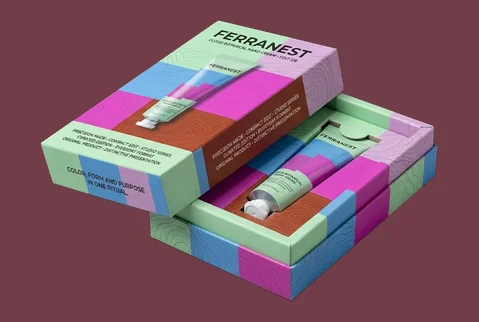
Sleeve Boxes

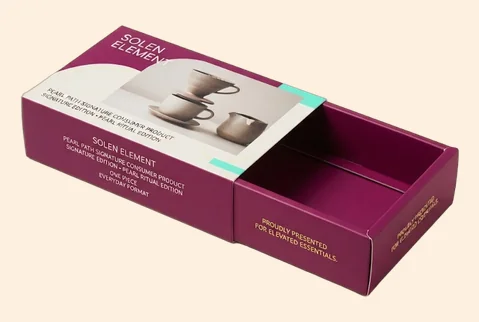
A printed sleeve can frame a tray or inner box, helping customers notice the main brand cue before sliding the product into view during opening.

  • Product-sized inner tray
  • Paperboard or Kraft routes
  • High-visibility sleeve artwork
  • Sliding product reveal

Use the sleeve to create visual focus while keeping the underlying pack simple and coordinated.

Customize Now
6 window boxes 8e49a9d7

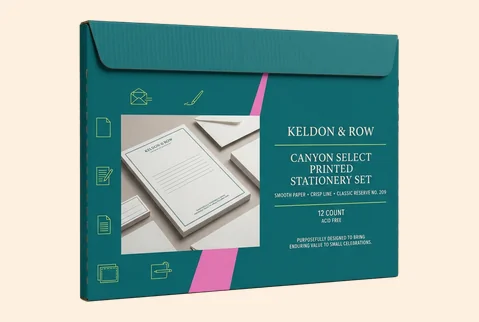
Window Boxes

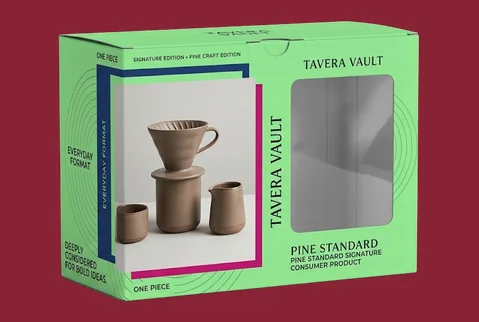
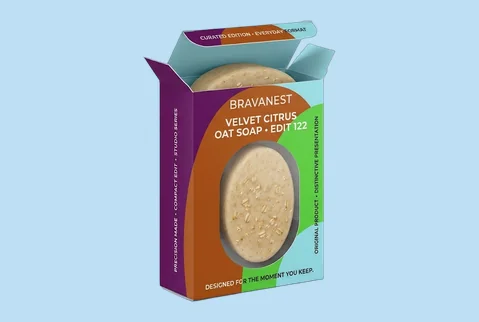
A die-cut or patched window lets the product join the design, giving shoppers a direct view while keeping brand information and surface detail around it.

  • Product visibility planning
  • Custom window shape
  • Printed framing graphics
  • Retail comparison support

The customer can connect the physical product with the brand before opening the pack.

Customize Now
7 display boxes 34188168

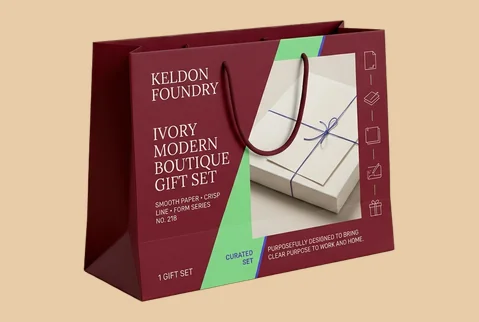
Display Boxes

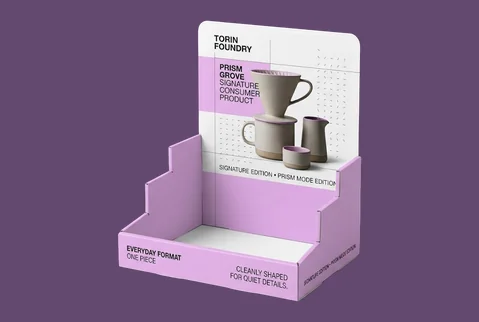
Counter and display formats turn the package into an organized selling surface, helping multiple units feel connected and easier for customers to scan at the point of choice.

  • Multi-unit product arrangement
  • Inserts or divided sections
  • Front-facing brand panels
  • Counter or retail use

A coordinated display helps the range read as one brand rather than separate loose items.

Customize Now
8 gable and handled boxes

Gable and Handled Boxes

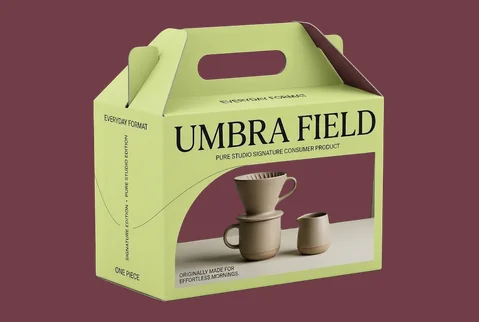
Gable structures and handled formats can make gifting, event handoff or takeaway presentation feel more complete while providing visible space for the brand during carrying.

  • Single item or assortment
  • Paper, ribbon or plastic handles
  • All-around printed surfaces
  • Gifting and handoff suitability

The structure combines easy carrying with a clear, occasion-ready branded presence at handoff.

Customize Now
Corrugated Cardboard Boxes

Corrugated Cardboard Boxes

Customize Now
corrugated envelopes

Corrugated Envelopes

Customize Now
paper bags

Paper Bags

Customize Now
Print Section Images 1

BRAND CLARITY IN PRINT

Keep the Brand Recognizable Across Material Choices

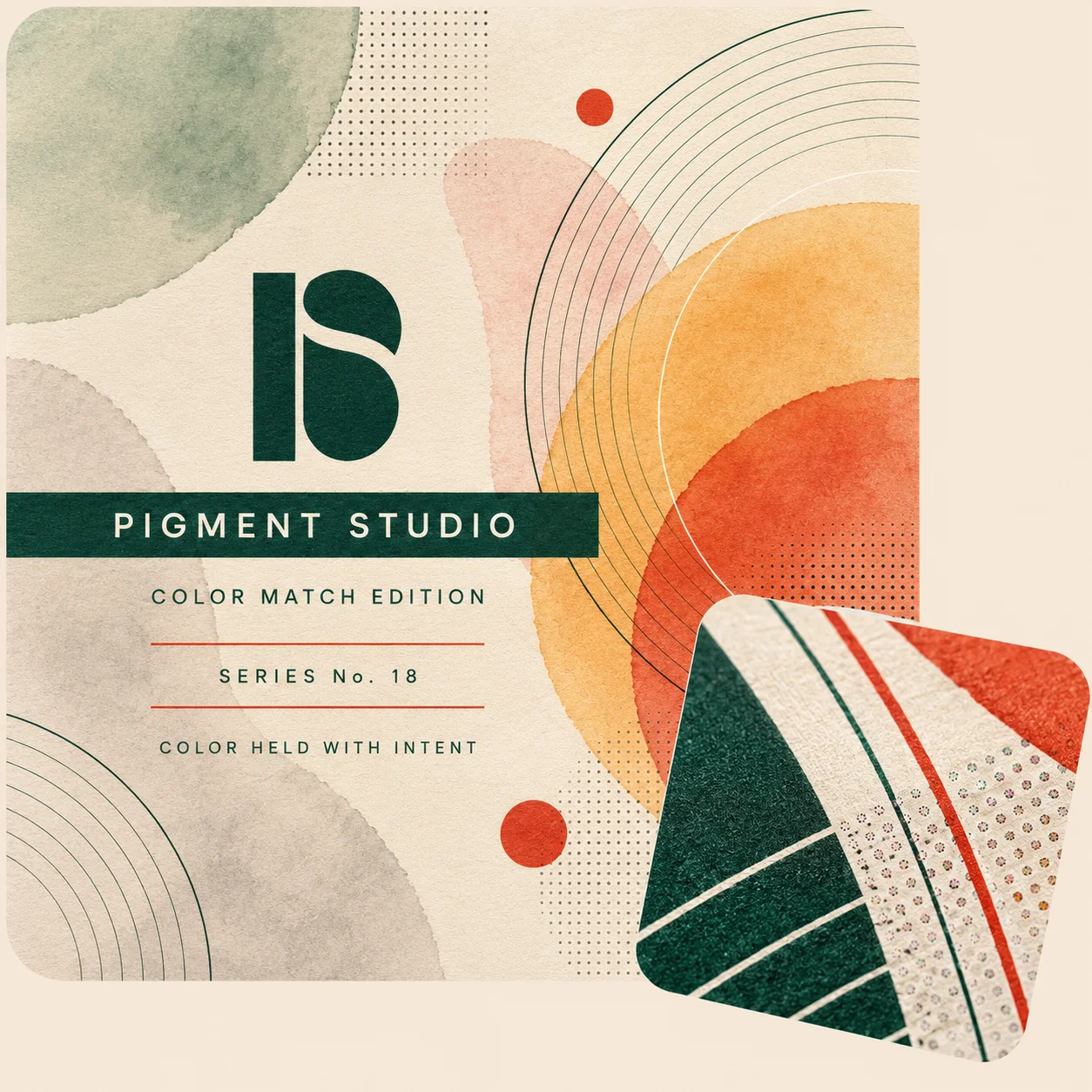
A change in substrate should not make the brand feel disconnected. Use print to preserve the cues customers rely on—logo placement, color, product naming, variant differences and information order—while adapting the artwork to paperboard, Kraft, rigid wraps or corrugated surfaces. CMYK, PMS spot color, digital, offset and flexographic routes provide production choices for supported specifications. White ink can create clear contrast on Kraft, while exterior and interior printing can extend the identity beyond the front panel. The outcome is a product family that feels coordinated at retail, during handoff, in photography or when a delivery box opens.

  • Keep parent-brand cues consistent
  • Separate variants without fragmenting the range
  • Use white ink to define Kraft artwork
  • Carry key information across useful panels
  • Continue selected graphics inside the box
  • Adapt the same identity across channels
Get Instant Quote

FINISHES WITH A JOB

Use Finish to Set Mood, Focus and Occasion Value

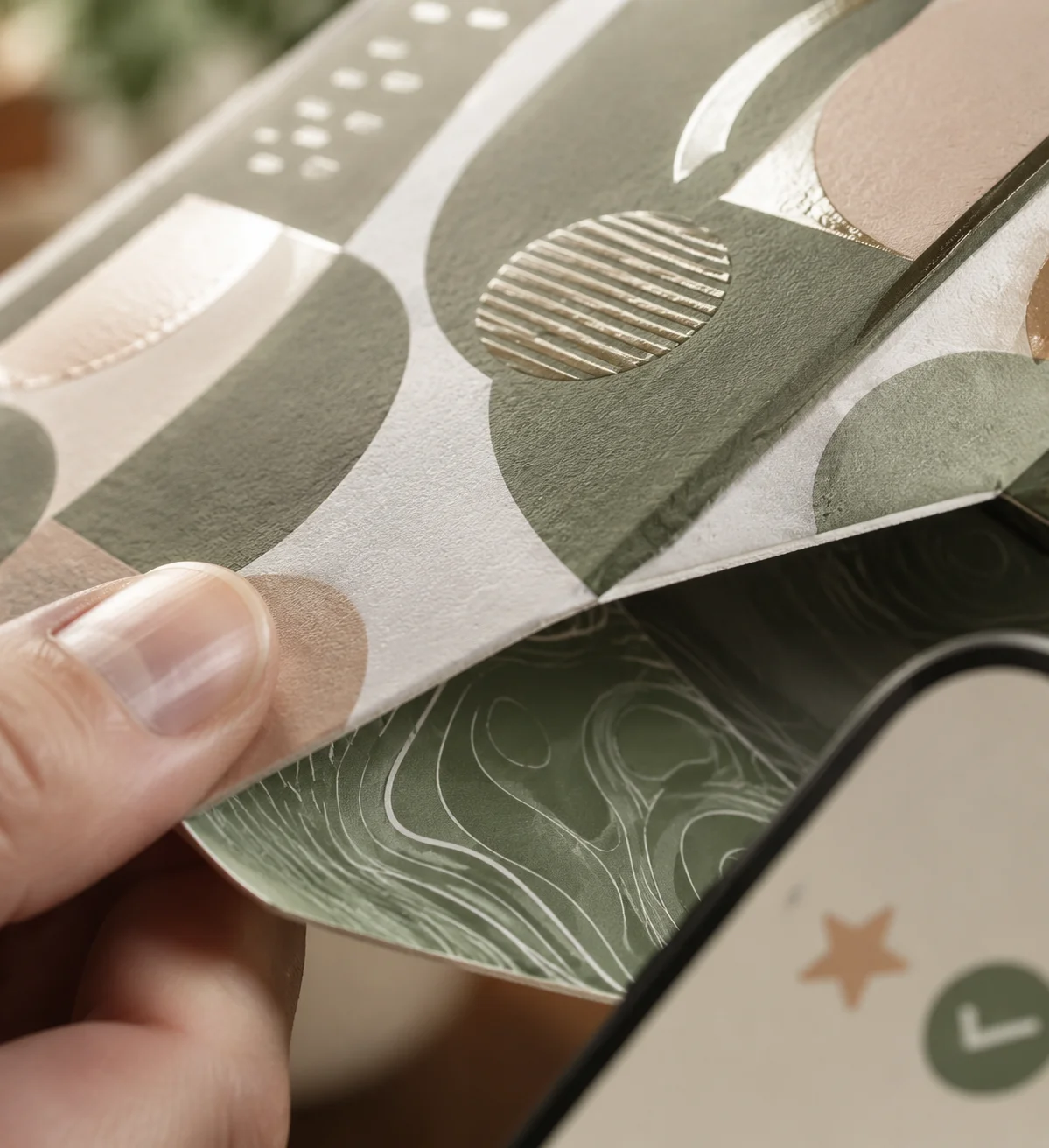
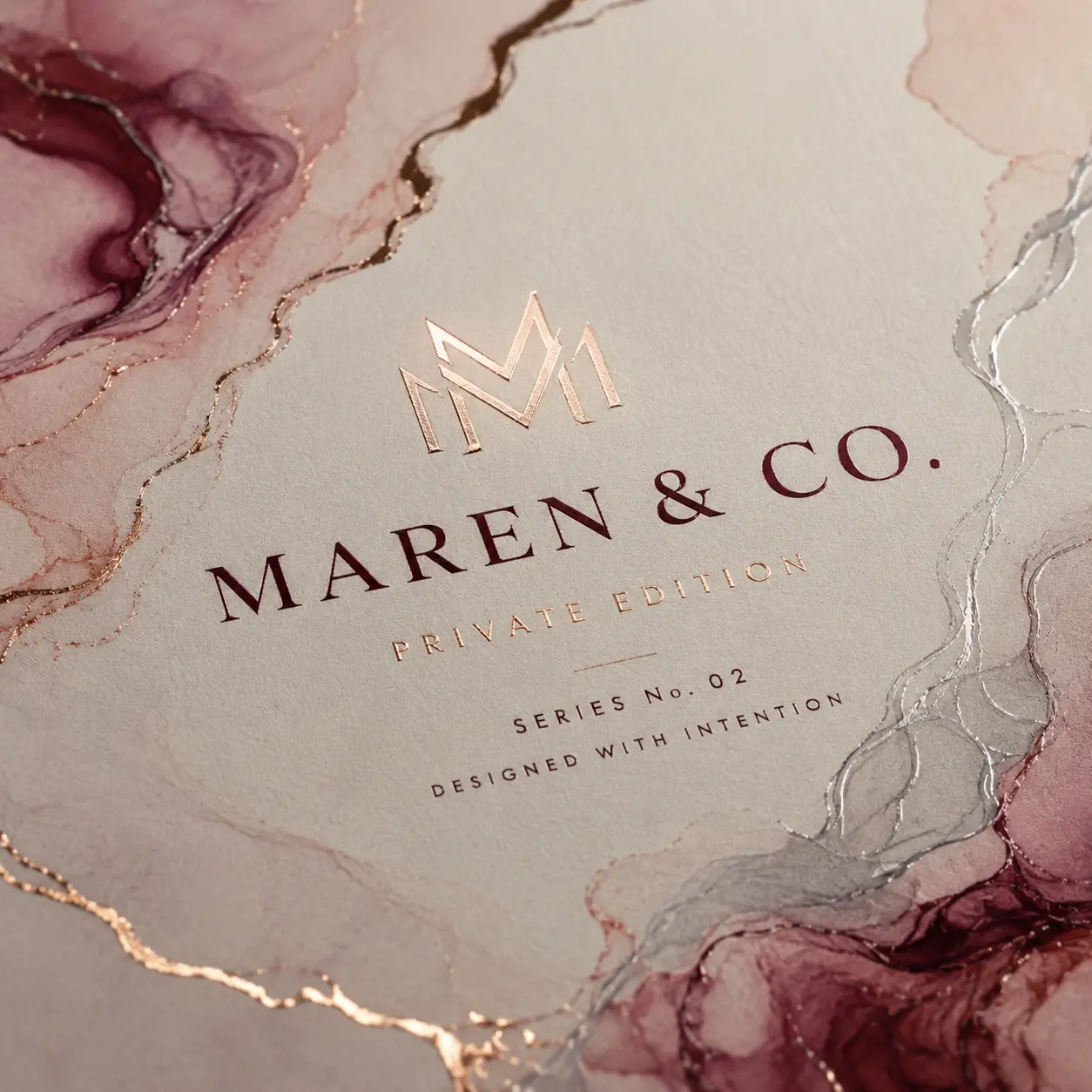
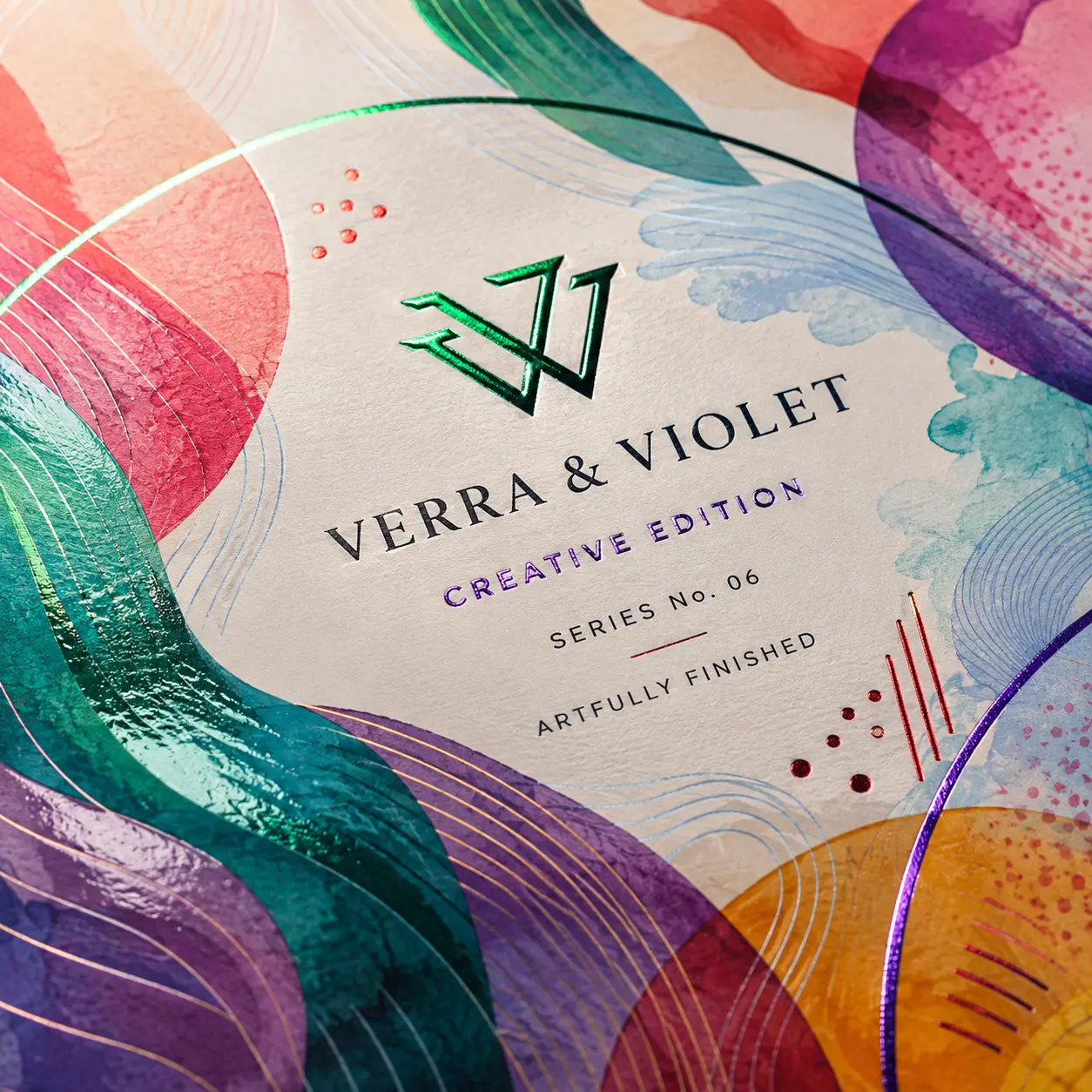
Finishes work best when each one has a clear job. A matte or soft-touch surface can make a restrained identity feel calmer and more considered. Gloss can strengthen brightness and visual energy. Foil, embossing, debossing, spot UV or raised effects can give one selected cue—such as the brand name, product title or edition mark—greater visual or tactile weight. The aim is not to decorate every panel. It is to help customers understand what matters first, how the package should feel in the hand and whether the box belongs to the core range, a gift collection or a limited release.
  • Emboss Deboss
    Set the Overall Impression

    Choose matte, gloss or soft-touch treatment according to the mood the product should establish. A quieter surface can support a restrained or gift-led identity, while greater gloss can reinforce bright artwork and a more energetic product character.

  • Sport UV
    Direct Attention to the Right Cue

    Use foil stamping, embossing, debossing, spot UV or raised effects selectively on the element that deserves priority. Giving the logo, product name or key visual one stronger cue can make the information order clearer at first sight and in the hand.

  • Lamination
    Mark Gifts and Special Editions

    Use a controlled change in foil, surface contrast or raised detail to distinguish seasonal, event, gift or limited-edition packaging from the core range. Keep the main brand system visible so the special box feels distinctive without becoming disconnected.

gold foil retail 1 holographic 2
image 3

CONNECT THE INSIDE

Let the Opening Complete the Material Story

When the outside establishes a clear standard, the inside should not feel accidental. For gift boxes, kits, subscriptions, presentation packs or multi-product sets, interior printing can continue the visual language while inserts, dividers or trays give each item a deliberate place. Foam, cardstock, paperboard, Kraft, corrugated and cardboard insert routes are available for supported specifications. The right choice depends on the product shape, pack count, removal sequence and the material character established outside. The result is a more coherent introduction—from first view to opening and product lift-out—without forcing every format into a theatrical unboxing.
  • inserts
    Continue the Brand Beyond the Lid

    Carry selected colors, artwork or short messaging onto relevant inside surfaces so the identity does not disappear when the package opens. The goal is continuity, not decoration for its own sake: use only the interior areas the customer will actually see.

  • hand tabs
    Give Every Item a Clear Place

    Plan foam, cardstock, paperboard, Kraft, corrugated or cardboard inserts around the product shape, component count and intended arrangement. A clear layout can help a kit, set or assortment feel deliberately prepared and make individual items easier to identify and remove.

  • tuck top
    Shape the First Reveal

    Decide what the customer should see first, what comes next and how each product should lift out. For supported reclosable rigid or magnetic formats, the same arrangement can also keep the experience organized when the customer returns to the box after the first opening.

Get Instant Quote

PLAN THE RIGHT SPECIFICATION Make a Confident Material, Structure and Order Decision

A material choice becomes useful only when it fits the product, structure, artwork, quantity and production plan. Use the following decisions to move from an idea to an approved specification without guessing. The goal is to confirm what the box must hold, how it will be used, which surfaces need artwork, how the contents should sit and what must be approved before production begins. This keeps the creative intent connected to practical manufacturing and gives your team clearer information for comparing options and requesting a quote.

  1. details content icon 1785233336
    Start With the Product and Customer Encounter

    Begin with the product or set you are packing. Note whether it is one item, several components, a gift assortment, a retail unit, a subscription pack, a promotional kit or a presentation box. Then identify the main encounter: shelf view, handoff, gifting, delivery arrival or opening. This does not choose the material by itself, but it tells the packaging team what the box needs to communicate and how the structure should be accessed. Flag non-negotiable features at the same stage. A window, handle, hanging slot, magnetic closure, divider, tray or custom-cut insert affects the structure and may influence the material route. Sharing those requirements early keeps the box, artwork and interior plan from being developed as separate decisions.

  2. details content icon 1785233336
    Measure the Complete Pack, Not Just the Product

    Provide the product’s length, width and height, but also explain anything that changes the packed footprint. This may include an inner container, wrapping, cushioning, irregular shape, multiple components, pack count, planned arrangement, insert thickness or the clearance needed to remove the product. Exact box dimensions should come from these inputs and an approved dieline, not from a generic size assumption. For a set or kit, share a simple arrangement sketch or product layout when available. The packaging team can then assess whether items should sit side by side, in layers, in divided sections or in a custom-cut insert. The aim is to confirm fit and access before artwork is finalized.

  3. details content icon 1785233336
    Match Material to Structure and Channel

    Use the material decision to support the chosen format and use. Paperboard, cardstock and Kraft can serve folding cartons and many supported presentation structures. Rigid greyboard can be considered for setup, lift-off or magnetic formats. Corrugated board can be used for branded mailers, product boxes, promotional packs, presentation boxes and kits; supported routes include E, B, F and micro-flute. Describe the intended channel clearly. A retail carton, gift handoff, subscription arrival and presentation kit place different demands on panel visibility, access and arrangement. For corrugated enquiries, explain the branded product or presentation purpose. Large commodity shipping-carton requests may not be the right commercial fit. Round and tube boxes, plastic boxes and wooden boxes are not offered.

  4. details content icon 1785233336
    Plan Artwork Around the Surfaces Customers Will Use

    Map the artwork by surface rather than treating the box as one front panel. Front, back, top, bottom, sides, exterior and interior areas can be printed where the approved structure allows. Decide where the main brand cue, product name, variant, supporting information and any required buyer-supplied text should appear. Digital, offset and flexographic printing are available, with CMYK and PMS spot-color routes for supported specifications. White ink is available on Kraft. Production files can be supplied as AI, PDF, PSD or EPS. Artwork checking, resizing, bleed and safe-zone help, and design support are available, so gaps can be identified before approval rather than after production starts.

  5. details content icon 1785233336
    Use the Dieline and Digital Proof as Decision Tools

    A free dieline or template can be prepared around the approved dimensions and structure. Use it to confirm panel order, folds, cut lines, windows and the relationship between outside and inside artwork. The artwork check then helps identify practical setup issues before the job moves forward. A digital proof is available for every approved order and should be treated as the final visual checkpoint before printing. It is not a physical prototype, and production does not begin before the required approval. Supported custom work carries no die or plate fee. Design support is available for production preparation, while responsibility for buyer-supplied regulated or legally required information remains with the buyer.

  6. details content icon 1785233336
    Choose Quantity Around the Next Business Need

    Paperboard, cardstock, Kraft and supported corrugated orders may start from 50 boxes. Supported rigid-box orders may start from 25. These starting quantities can still include relevant custom sizing, material, exterior or interior printing, finish and insert choices, subject to the approved structure and production specification. This gives a growing business a practical way to prepare a launch, test a range or build a gift program without defaulting to a stock box. Per-unit pricing generally improves as quantity increases, and more visible differences may appear around 500 units. The exact price still depends on the approved material, structure, print coverage, finishes, inserts and number of designs, so no fixed saving percentage should be assumed. A physical prototype may be available for a qualifying bulk or wholesale project, and its cost may be adjusted into the resulting order where approved.

  7. details content icon 1785233336
    Plan the Schedule From Approval, Not From Enquiry

    Production normally takes 4–6 business days after payment, final artwork approval and structure confirmation. Production-ready jobs are generally planned to print and ship within 7 business days. Shipping transit time is separate, while complex multi-design orders may require a separately confirmed schedule. Build time for measurement, dieline preparation, artwork review and proof approval into the project plan before counting production days. Rigid and corrugated work should not be assigned a general rush promise. When one order contains many short-run designs or more complex setups, confirm the production schedule for that configuration rather than assuming every design will follow the standard route.

  8. details content icon 1785233336
    Coordinate Multi-Design, Multi-Address and Trade Workflows

    One order can be shipped to multiple addresses, and work is open to design firms and white-label arrangements. Share the quantity for each design, the material and structure that remain common, the destination split and the artwork status at the quote stage. That information helps the team identify what can be standardized and what needs separate setup or scheduling. For a smooth handoff, keep a single approved record of dimensions, dielines, artwork versions, proof approvals, quantities and destinations. Complex multi-design work may need its own confirmed schedule, particularly when several low-quantity versions are produced together. A useful quote request should include the product dimensions, packed configuration, preferred material or intended physical character, structure, required features, artwork status, quantity by design, destination needs and target date. You do not need to arrive with every technical answer. Clear product and business inputs give the packaging team enough information to recommend an approved route, prepare the dieline and move the project toward proofing with fewer unresolved decisions.

MATERIAL BOX QUESTIONS

Answers Before You Choose, Size and Order

Guidance is available, and the best choice starts with the impression and use your box must support. Paperboard or cardstock can suit clean printed cartons and information-led packs. Kraft can support a natural or craft-led identity. Rigid greyboard can give gifts and curated sets more physical presence. Corrugated board can suit branded mailers, product boxes, kits and presentation formats. Share the product, packed arrangement, channel, opening route and intended character, and the team can help narrow the material and structure together.

Yes. A smaller business can start with packaging built around its own product and brand without committing to a large first run. Paperboard, cardstock, Kraft and supported corrugated orders may start from 50 boxes, while supported rigid formats may start from 25. At these starting quantities, relevant custom sizing, material, exterior or interior printing, finishes and inserts remain available where they suit the approved structure and production specification. This gives you room to prepare a launch, test a range or introduce a gift format without settling for generic stock packaging.

Yes. Printing can be planned across the front, back, top, bottom, sides, outside and inside where the approved structure allows. CMYK, PMS spot color, digital, offset and flexographic routes are available for supported specifications, and white ink is available on Kraft. The useful question is not how many surfaces can be printed, but which surfaces the customer will see at first view, handling and opening. The team can help map the artwork around those moments.

Yes. A consistent brand system can be adapted across paperboard, Kraft, rigid wraps and corrugated surfaces without making every pack identical. Keep core cues such as logo placement, color relationships, typography, information order and product naming visibly connected, then adjust contrast and print treatment for the selected surface. White ink can help define artwork on Kraft, while full-color and spot-color routes can support other approved specifications. This lets variants or channels change while the parent brand remains easy to recognize.

Foam, cardstock, paperboard, Kraft, corrugated and cardboard insert routes are available for supported box specifications. Inserts, dividers and trays can be planned around the product shape, component count, arrangement and removal needs, including custom-cut foam for individual products or components. Share the packed dimensions and a layout for sets or kits so the team can assess how each item should sit and lift out. The insert should support a clear product sequence, not simply fill empty space.

Yes. Free dieline or template support, artwork checking, resizing, bleed and safe-zone assistance, and design support are available. AI, PDF, PSD and EPS production files are accepted. Once the dimensions, structure and artwork are ready, a digital proof is available for every approved order so you can review the visual setup before printing. The digital proof is not a physical prototype, and production begins only after the required approval and order conditions are complete.

Production normally takes 4–6 business days after payment, final artwork approval and structure confirmation. Production-ready jobs are generally planned to print and ship within 7 business days. Shipping transit time is separate, while complex multi-design orders may require a separately confirmed schedule. Plan measurement, dieline preparation and proof approval before this production window, and confirm a separate schedule for complex configurations.

A physical prototype may be available for a qualifying bulk or wholesale project. Where approved, its cost may be adjusted into the resulting order. It should not be treated as an unrestricted free sample or as the standard proof for every job. Every approved order can receive a digital proof, which is the visual approval step before printing. Discuss the project quantity, structure and prototype need during quoting so the available route and any conditions can be confirmed.

No. Round and tube box formats, plastic boxes and wooden boxes are not offered. Supported options include paperboard, cardstock, Kraft, rigid greyboard and corrugated routes in a wide range of non-round structures, such as folding cartons, sleeves, two-piece boxes, rigid setup boxes, mailers, windows, displays, gable boxes and custom die-cut shapes. Share the product and intended opening, and the team can help identify a supported alternative rather than forcing the product into an unsuitable stock format.

A reprint is available when the mistake is on our side or the boxes are damaged during shipping. Contact support with the order details and clear information about the issue so the team can review what happened and confirm the corrective production route. The commitment is tied to those stated conditions rather than an unrestricted remake promise.

Yes. One order can be shipped to multiple addresses, and the service is also open to design firms and white-label workflows. Provide the quantity by design, destination split, shared material and structure, and artwork status when requesting the quote. Complex multi-design orders may require a separately confirmed production schedule, especially when several short-run versions are produced together. Confirming the design and destination plan early helps the team prepare a clearer production and shipping route.

faq image

CUSTOMER SUCCESS STORIES

Hear What Our Customers Say

Review Section Image 1785499180
  • Review Star Icon
Premium Finishes, Even for Small Runs

As a small business, finding premium finishes in lower quantities was always difficult. Global Custom Packaging gave us the freedom to customize our boxes and create the distinctive, polished look we wanted without committing to a large order. We still work with them today and have expanded into multiple product variants, each with the same impressive presentation.

Jordan Blake
  • Review Star Icon
Our One-Stop Partner for Branded Packaging

We sell online and in stores while regularly promoting at major events, running influencer campaigns, and launching seasonal collections. Thunder Packaging has become our dependable source for everything—from premium mailer and product boxes to sturdy influencer kits, rigid packaging, kraft boxes, and limited-edition Christmas designs. Whatever structure, material, or branded look we need, we no longer have to go anywhere else.

Avery Quinn
  • Review Star Icon
Stress-Free Artwork From Preview to Print

I never worry about how my packaging will look or whether my artwork contains typos, incorrect bleed areas, or other design errors. Their 3D previews and helpful design support give me confidence before printing. If the team notices a problem, they contact me, correct it quickly, and never charge extra for the assistance.

Cameron Reese
  • Review Star Icon
Precise Printing and a Perfect Fit

I’m really impressed with Global Custom Packaging’s precise, richly saturated printing and the accuracy of their die-cutting. The boxes were produced in exactly the right size, with a clean, well-formed structure and no fitting or construction issues. The finished packaging looked polished, consistent, and ready to represent our products professionally.

Morgan Taylor
  • Review Star Icon
From Fast Quote to On-Time Delivery

I received my quote within a few hours, and once we agreed on the price, the designer responded quickly, completed the required changes, and prepared my artwork for printing. The 3D proof arrived promptly, allowing me to review everything and place my order that same day. My packaging was delivered on time, exactly as Global Custom Packaging had committed.

Harper Lane