



-

Low Starting Quantity
-

Digital Proof Included
-

Design Support Available
-
In-House Production
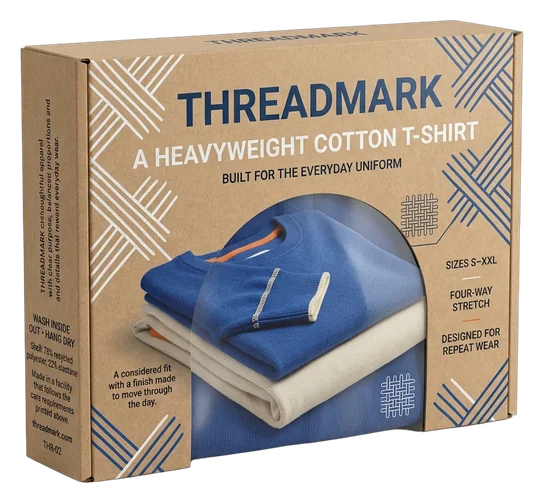
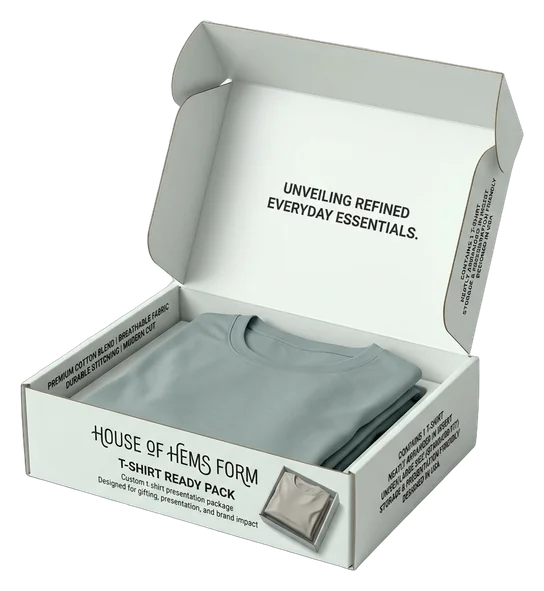
Custom T-shirt boxes turn a folded garment into a considered brand moment, helping the product feel organized, recognizable and ready for retail, gifting or delivery. A customer may judge a T-shirt before touching the fabric, especially when several apparel labels compete for attention online, on a shelf or in a gift selection. Custom sizing, coordinated print and a suitable opening style replace a loose or generic pack with a box that frames the shirt, carries the label’s visual identity and makes the product easier to understand. That character remains visible during display, handoff, delivery arrival and the first reveal. We help apparel brands build T-shirt packaging around the way each shirt is folded, sold and received. From a clean retail carton to a printed mailer, launch kit or rigid gift box, the structure, artwork and interior can be coordinated around the intended customer experience. Our service connects the creative idea to production-ready details. We can guide box measurements, board selection, dielines, artwork placement, inside printing, finishes, windows, inserts and proof approval before manufacturing begins. Digital, offset and flexographic printing, along with in-house finishing and rigid-box production, support both focused launches and larger programs while keeping the approved structure and schedule clear.

Get Custom Quote
T-SHIRT BOX FORMATS
Choose a Box Style Around the Shirt and Sale
A T-shirt box should match more than the garment’s outer measurements. The right format depends on how the shirt is folded, whether one or several pieces are packed, how the box will be displayed or shipped, and what the customer should see first when it opens. A tuck carton can keep retail packing efficient, while a sleeve, mailer or rigid setup box can create a more staged reveal for gifts, launches or merchandise kits. We help compare these routes against product fit, packing work, print coverage and the intended receiving moment so the chosen structure supports both daily use and the brand experience.

➜
Folding Carton Boxes
A fitted folding carton gives a single folded T-shirt a clean, compact frame for retail shelves, event merchandise or direct handoff. Front, side and back panels can organize brand, size and collection information without making the pack feel crowded.
- Single-shirt configurations
- Tuck-end opening choices
- Full-panel printed identity
- Retail and event use
A practical route for brands that need efficient packing with a controlled, clearly branded product appearance.
Customize Now
➜
Two-Piece Shirt Boxes
A separate lid and base slow the reveal and give the shirt more visual space when the box opens. This familiar apparel format works well for gifting, uniforms, membership packs and higher-value collections that benefit from a deliberate handoff.
- One or multiple shirts
- Lift-off lid and base
- Exterior and interior printing
- Gift and presentation use
The shirt appears arranged rather than simply enclosed, helping the opening feel considered from lid lift to product access.
Customize Now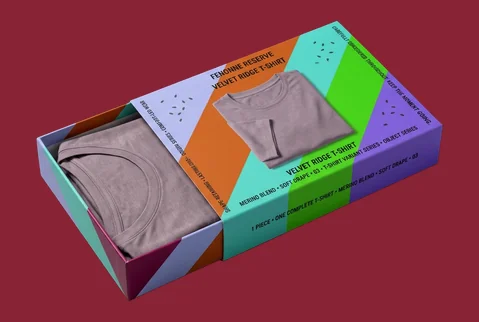
➜
Sleeve and Tray Boxes
A sliding sleeve creates movement before the customer reaches the folded shirt. The outer sleeve can carry the main campaign or brand message, while the inner tray continues the color system and keeps the garment positioned for reveal.
- Single or grouped garments
- Sliding tray configuration
- Two-part artwork opportunity
- Launch and gifting moments
This structure turns access into a short branded sequence without relying on excessive decoration or complex packing.
Customize Now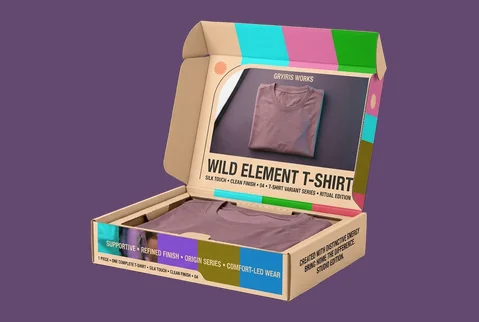
➜
Corrugated Mailer Boxes
A printed corrugated mailer combines delivery-ready structure with a more intentional receiving experience for online apparel orders. It can carry campaign graphics outside, continue the message inside and hold folded shirts or selected merch items in one organized pack.
- E-commerce pack configurations
- Protective fluted structure
- Inside-outside print coverage
- Delivery and subscription use
A strong choice when the shipping arrival should still feel connected to the apparel brand and collection.
Customize Now
➜
Rigid Gift Boxes
Rigid greyboard gives a T-shirt, limited edition or collaborative release greater physical presence. A lift-off lid or shoulder-and-neck format can frame the garment with more structure, while printed or wrapped surfaces establish the intended fashion or gift character.
- Curated apparel sets
- Substantial setup construction
- Custom wraps and lining
- Gift and launch use
The box supports a slower, more substantial reveal suited to selected collections, partnerships and commemorative merchandise.
Customize Now
➜
Magnetic Closure Boxes
A magnetic rigid box creates a neat opening action and a structured interior for selected merchandise, influencer kits and special releases. It can be paired with ribbon, printed lining or a fitted insert when the pack includes more than the shirt.
- Shirt and accessory kits
- Hinged magnetic closure
- Inside branding options
- PR and special editions
A reusable-feeling format for occasions where the package is expected to remain part of the product experience.
Customize Now
➜
Window T-Shirt Boxes
A die-cut or patched window can show color, fabric detail or a folded graphic before the box opens. The window shape, surrounding artwork and garment position should be planned together so the visible area feels intentional rather than accidental.
- Visible shirt detail
- Custom window placement
- Printed frame around product
- Retail browsing support
Customers can recognize a key product cue quickly while the box continues to carry the wider brand story.
Customize Now
➜
Merch Kit Boxes
A merch kit box brings a T-shirt together with items such as stickers, cards, caps or small accessories in one coordinated arrangement. Dividers or inserts can separate components while exterior and interior printing guide the order of discovery.
- Multi-item kit layouts
- Dividers or fitted inserts
- Campaign-wide visual system
- Events, PR and launches
The complete set reads as one planned brand experience instead of a collection of loosely packed promotional items.
Customize NowMATERIAL SETS THE TONE
Give the Shirt a Physical Character That Fits
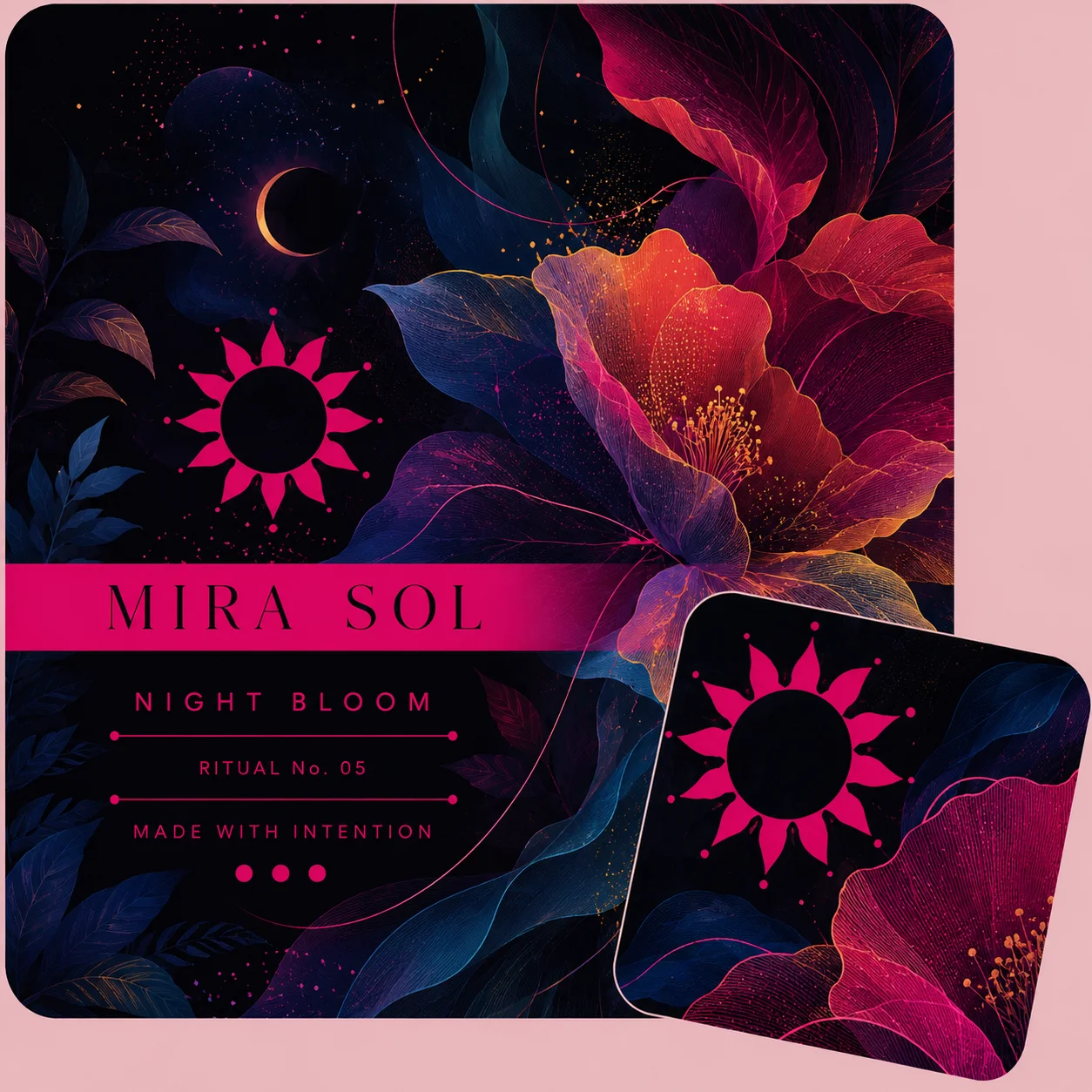
The board sets the physical tone before a customer studies the artwork. A smooth paperboard carton can make fashion photography, typography and color blocking appear crisp; kraft can support a more grounded or craft-led apparel identity; corrugated board can carry a consistent brand character into e-commerce delivery; and rigid greyboard can give selected shirts or merchandise sets greater weight and ceremony. We help match the material to the garment count, box style, handling route and intended impression so the package feels appropriate for the product—not simply thicker for the sake of it.
SBS Paperboard for Clean Definition

SBS paperboard suits folding cartons, sleeves and window boxes where sharp print, controlled color and neat panel folds matter. It can support bold streetwear graphics, restrained fashion labels or detailed collection information while keeping the pack efficient to assemble and store. Coated, uncoated, white-inside and selected other surface routes can be considered around the desired look.

Kraft for a Natural, Direct Character

Kraft gives T-shirt packaging a warmer, more tactile base that can suit craft-led labels, outdoor collections, artist merchandise and understated brand systems. White ink, dark linework or selective color can create useful contrast without hiding the material’s natural character. The final board and print route should still reflect handling, fold quality and the amount of detail in the artwork.
Corrugated Board for Branded Arrival

Fluted corrugated board gives mailer-style T-shirt packaging the structure needed for relevant delivery, subscription and merchandise-kit formats. The material can carry exterior campaign graphics and interior print while helping the box arrive as a deliberate part of the order experience. Flute choice, garment count and internal arrangement should be confirmed together rather than chosen from appearance alone.
Rigid Greyboard for Gift and Launch Presence

Rigid greyboard supports lift-off lid, magnetic and other setup-box formats when a limited release, collaboration or gift set needs greater physical presence. Wrapped surfaces, printed lining and fitted components can create a slower reveal and a more substantial hand feel. It is best reserved for moments where that added structure supports the product positioning and customer expectation.
PRINT THE COLLECTION CLEARLY
Make the T-Shirt Brand Recognizable at a Glance
A T-shirt collection often depends on quick recognition: the customer needs to connect the garment to a label, campaign, artist, team or event before the fabric is even unfolded. Custom printing turns the box into part of that recognition system. Use the front for the main identity, the sides for collection cues, the back for product or campaign detail, and the inside for a message that appears at reveal. CMYK, PMS colors, white ink on kraft and relevant interior printing give the design room to stay consistent across retail, photography, gifting and delivery.
- Make the label clear at first sight
- Separate colors, drops or collections
- Carry campaign artwork around the box
- Keep retail and delivery visually connected
- Introduce the message again inside
- Give collaborations their own identity
FINISH WITH A CLEAR ROLE
Control What Customers Notice and Feel First
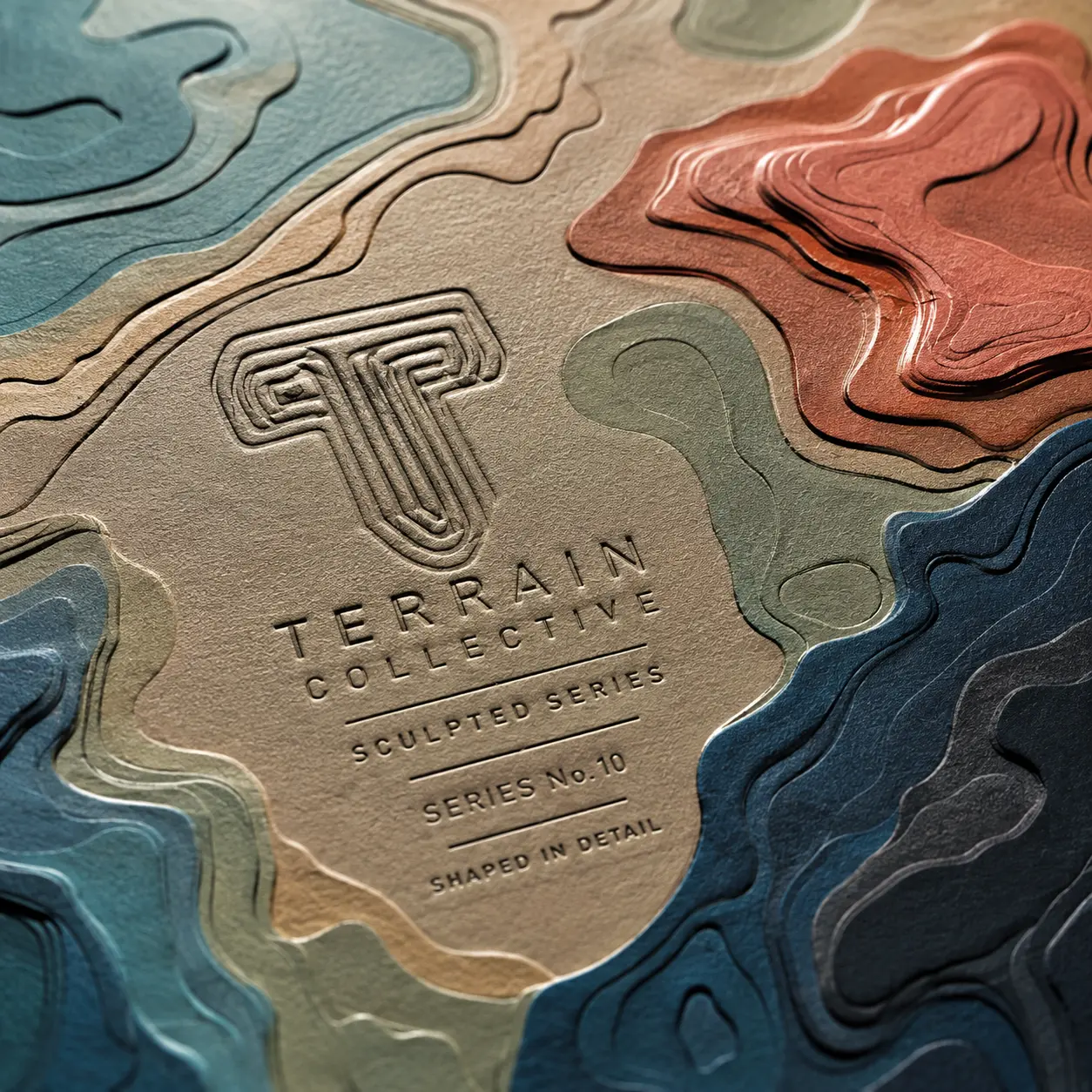
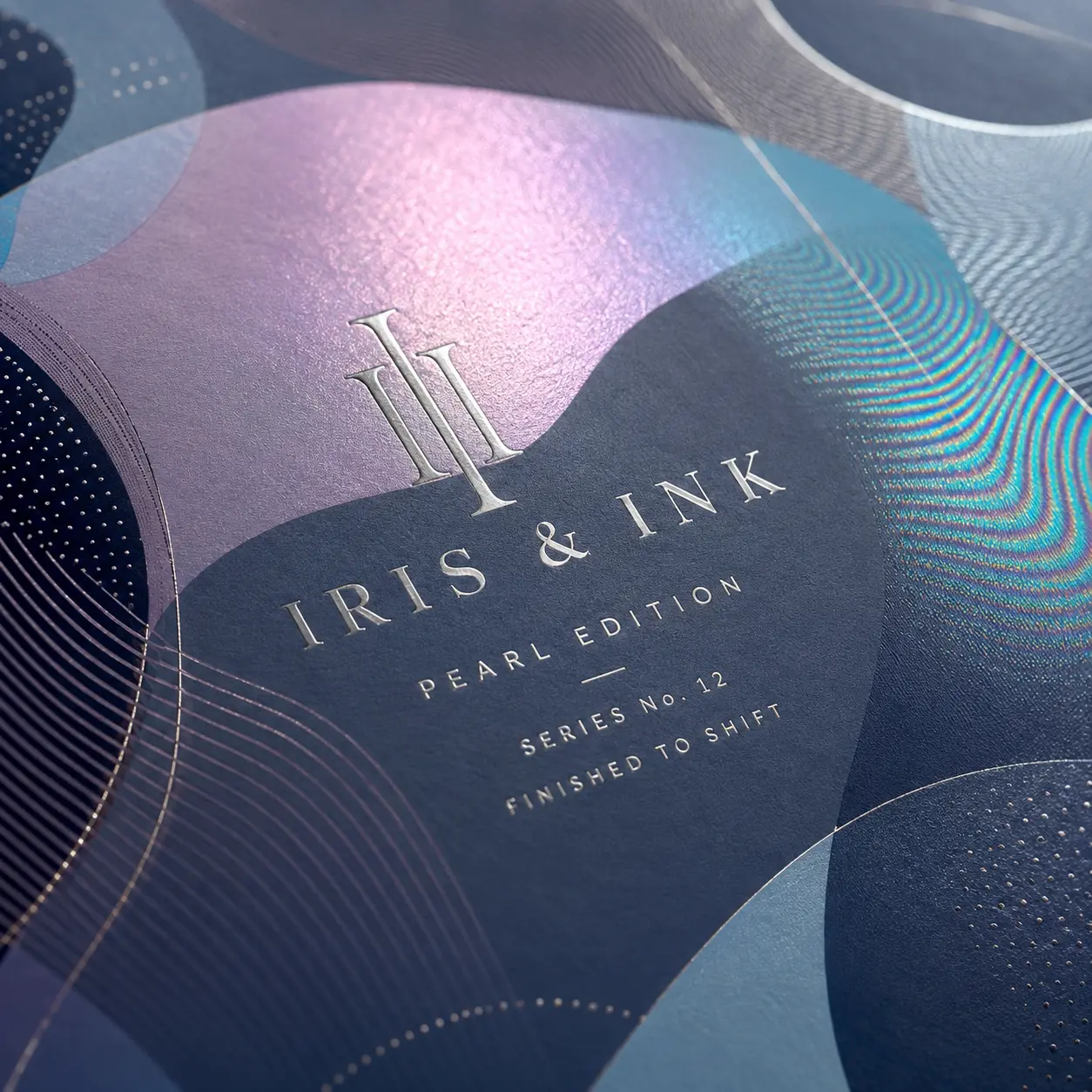
A finish should help the customer read the package in the intended order. It can quiet the background, increase contrast around a logo, emphasize a collection name or make a limited release feel distinct from the core range. Matte, gloss, soft-touch, foil, embossing, debossing and raised spot effects are useful only when they support that hierarchy. Our team helps select surface treatments around the artwork, board and handling route so the result feels deliberate in the hand and remains connected to the T-shirt brand rather than becoming a separate layer of decoration.
-
 Set the Collection’s Surface Mood
Matte or soft-touch lamination can support a restrained fashion, lifestyle or gift-led character, while gloss may suit energetic color, sports graphics or brighter merchandise artwork. The right choice starts with the collection’s visual language and the way the box will be handled or photographed.
-
Direct Attention to the Right Detail
Foil, embossing, debossing or raised spot treatments can give a logo, edition name or campaign mark greater visual and tactile weight. Selective placement usually creates a clearer hierarchy than covering every panel, especially when the shirt graphic and box artwork already carry strong detail.
-
Mark Drops, Collaborations and Events
A limited colorway, tour release, team edition or brand collaboration can use selective foil, surface contrast or raised detail to feel distinct from the standard range. The finish should signal the special moment while preserving enough shared design language for the parent brand to remain recognizable.


CARRY THE STORY INSIDE
Shape the Reveal Around the Shirt and Collection
The opening should confirm why the customer chose this shirt or collection. A strong exterior can create anticipation, but a loosely folded garment, mixed accessories or an unplanned first view can weaken the experience. Inside printing, tissue space, dividers and fitted inserts can help present a single shirt, a multi-piece order or a merchandise kit with clearer intent. We plan the interior around what should appear first, how the customer reaches the garment and whether supporting items need their own place, so opening becomes a useful continuation of the brand story rather than a separate performance.
-
the Identity Inside
Carry selected colors, graphics or a short message onto the inner lid, base or tray so the visual language does not stop when the package opens. The inside can reinforce a campaign, thank the customer or introduce the collection without competing with the shirt itself.
-
Frame the Folded Shirt
Plan the box depth, folded dimensions, tissue allowance and internal spacing so the garment appears centered and intentional. For several shirts or added accessories, dividers and inserts can keep the arrangement understandable while supporting easy product removal.
-
Control the First Reveal
Decide whether the customer should see the shirt graphic, a message, a card or a complete kit first. A lift-off lid, sliding sleeve, mailer flap or magnetic opening creates a different discovery sequence, and the artwork can be coordinated with that movement.


EXPERT-GUIDED T-SHIRT PACKAGING
T-Shirt Box Customization Made Easy & Fast — Built to Fold, Protect & Present Every Shirt
Our T-shirt packaging experts, structural designers, print specialists, consultants, and project managers make custom T-shirt box ordering easy and fast by bringing your folded garment dimensions, shirt count, fabric weight, selected box style, artwork, and brand direction into one production-ready structure. We guide fold allowance, tissue or wrapping space, collar and print-area clearance, multipack arrangement, insert or divider needs, stock thickness, ecommerce handling, retail presentation, coating and finish compatibility, size, color, SKU, barcode, and care-panel spacing, dieline alignment, bleed and safe-zone setup, cost calculation, timeline planning, prepress preparation, and 3D proof review. The result is a custom T-shirt box that fits the folded shirt, supports better handling, carries your artwork cleanly, and moves to production with fewer sizing, print, structure, or approval risks.
-
Fast
Specs-to-Quote Alignment
Experts align folded shirt size, pack count, selected box style, stock, wrapping needs, artwork, finishes, cost, timeline, prepress setup, and 3D proof early—helping reduce quote delays and approval back-and-forth.
-
Exact
Folded-Fit & Pack-Count Review
We check folded length, width, thickness, fabric weight, collar profile, sleeve arrangement, tissue allowance, and single- or multipack layout so the box fits without unnecessary looseness or compression.
-
Print-Ready
Variant, Artwork & Finish Check
Print specialists review size and color panels, SKU and barcode spacing, dieline alignment, print coverage, coating compatibility, foil, spot UV, embossing, and finish masks so each T-shirt variant can be produced and identified more cleanly.
Plan, Approve and Order T-Shirt Boxes With Confidence
The best T-shirt box decision begins with the packed garment, not a stock size or a decoration list. Our team helps translate the way your shirts are folded, sold, grouped and delivered into a structure that can be quoted, designed and produced with fewer surprises. The steps below show what to prepare, where our support fits and which approvals need to be complete before production timing begins.
-
Start With the Packed Shirt, Not the Label Size
Measure the T-shirt in its final folded state and include anything that will remain inside the box, such as tissue, a belly band, a card, a second garment or a small accessory. The useful inputs are the packed length, width and height, the number of shirts, the preferred fold and the amount of room needed for easy removal. Do not rely only on the garment’s retail size because two shirts marked the same size can produce different folded dimensions.Share a physical product, existing pack or accurate packed measurements where possible. We can then help develop the dieline and internal proportions around the real configuration. For multi-item kits, identify which pieces should be separated, stacked or revealed first so dividers, trays or foam are added only where they improve arrangement and access.
-
Choose the Structure Around the Selling Channel
A folding carton may be the practical choice for shelf display, event sales or efficient hand packing. A two-piece, sleeve-and-tray or rigid box may suit gifting, collaborations and selected releases where the reveal carries more weight. A corrugated mailer can keep an online order connected to the same visual identity during delivery, while a merch kit may need compartments for cards, stickers or accessories.Tell us the primary channel first, then any supporting uses. A box designed mainly for retail can also support handoff or photography, but it should not be forced to perform like a delivery mailer unless the structure is approved for that route. We will compare format, board, assembly, print area and opening action against the actual use.
-
Build Artwork Around Real Panels and Folds
Once the structure and size are confirmed, use the supplied dieline as the artwork map. It shows cut lines, folds, glue areas, bleed and safe zones so logos, type and campaign graphics can be placed with production in mind. Artwork can extend across the front, back, sides, top, bottom and relevant inside surfaces, subject to the approved construction.AI, PDF, PSD and EPS files are accepted. Dieline or template support, artwork checking, resizing and bleed or safe-zone assistance are available. We can also support design development, but the clearest results begin with usable brand assets, approved colors, required copy and a simple indication of which message should lead on the outside and which should appear during opening.
-
Review the Proof Before Production Starts
A digital proof is available for every approved order. Use it to check dimensions, panel orientation, spelling, color references, barcode or product information placement, and the relationship between exterior and interior artwork. Production does not begin simply because files have been uploaded; payment, final artwork approval and structure confirmation must be complete.A digital proof is not a physical prototype. A physical prototype may be available for a qualifying bulk or wholesale project, and its cost may be adjusted into the resulting order where approved. This route is useful when a complex kit, rigid format, unusual fold or high-value launch needs additional physical review before the full run.
-
Plan Quantity, Production and Delivery Together
Paperboard, cardstock, kraft and supported corrugated T-shirt boxes may start from 50 units. Supported rigid-box formats may start from 25. These starting quantities can still include relevant custom sizing, print, finishes and interior options where they suit the approved structure and production specification. Per-unit pricing generally improves as volume rises, with more visible differences often appearing around 500 units.Production normally takes 4–6 business days after payment, final artwork approval and structure confirmation. Production-ready jobs are generally planned to print and ship within 7 business days. Shipping transit time is separate, while complex multi-design orders may require a separately confirmed schedule. Share any launch, event or delivery deadline before approval so production and transit can be planned as one timeline.A useful quote should reflect the actual shirt configuration, structure, material, print coverage, finish, quantity and delivery destination. Bringing those details together early allows our team to recommend a route that protects the intended brand experience while remaining practical to pack, approve and produce.

T-SHIRT BOX QUESTIONS
Answers Before You Size, Print and Order
Start with the shirt as it will actually be packed, and we will help turn those measurements into the box specification. Measure the final folded length, width and height, then include tissue, cards, belly bands or other items that will stay inside. Also tell us the number of shirts and how easily the customer should be able to lift them out. We use those inputs to prepare or refine the dieline rather than guessing from garment size alone.
The best style depends on the main selling channel, and we can compare practical options before the dieline is finalized. Folding cartons and window boxes often suit retail display, while two-piece, sleeve-and-tray or rigid formats can create a more staged gift reveal. Corrugated mailers are more appropriate when the box must carry the brand experience into delivery. One structure may support several moments, but the primary use should guide board, closure, print area and internal arrangement.
Yes. Relevant inside surfaces can carry color, graphics, a short message or collection details that appear as the customer opens the box. Exterior and interior artwork should be planned together so the message continues naturally without making the shirt feel secondary. Inside printing can be used on suitable paperboard, kraft, corrugated and rigid formats, subject to the approved construction and production specification. We will show the printable areas on the dieline and digital proof before production.
Yes. Multi-shirt packs and merchandise kits can be planned around the actual item count and desired discovery order. Shirts may be stacked, separated or presented beside cards, stickers, caps and other small accessories. Paperboard, corrugated, cardboard or foam inserts can give components their own positions where the selected structure supports them. Share packed measurements and a simple layout of every item so we can recommend the box depth, arrangement and removal clearance without inventing a stock configuration.
Yes. A growing apparel brand can begin with packaging built around its own shirt and visual identity without committing to a very large first run. Paperboard, cardstock, kraft and supported corrugated boxes may start from 50 units, while supported rigid formats may start from 25. Relevant custom sizing, exterior or interior printing, finishes and inserts remain available where they fit the approved structure and production specification. This gives smaller launches, events and first collections access to a considered package rather than a generic stock box.
Yes. Dieline or template support, artwork checking, resizing, bleed and safe-zone assistance are available. We accept AI, PDF, PSD and EPS files, and design support can help organize supplied logos, colors, imagery and copy around the confirmed panels. Begin with the final box structure and size because changing either one may change the artwork map. Any legally required or buyer-supplied product information remains your responsibility, while our team checks the file for packaging production readiness.
Yes. A digital proof is provided for every approved order so you can review dimensions, panel direction, text, print placement and the relationship between outside and inside artwork before manufacturing begins. Printing starts only after payment, final artwork approval and structure confirmation. A digital proof is not a physical sample. A physical prototype may be available for a qualifying bulk or wholesale project, and its cost may be adjusted into the resulting order where approved.
Production normally takes 4–6 business days after payment, final artwork approval and structure confirmation. Production-ready jobs are generally planned to print and ship within 7 business days, but shipping transit is separate. Complex multi-design orders, unusual constructions or projects with several setup changes may need a separately confirmed schedule. Share your launch, event or required arrival date before approving the job so we can explain the production and transit plan clearly rather than treating the ship-out date as a delivery guarantee.
CUSTOMER SUCCESS STORIES
Hear What Our Customers Say


As a small business, finding premium finishes in lower quantities was always difficult. Global Custom Packaging gave us the freedom to customize our boxes and create the distinctive, polished look we wanted without committing to a large order. We still work with them today and have expanded into multiple product variants, each with the same impressive presentation.
Jordan Blake
We sell online and in stores while regularly promoting at major events, running influencer campaigns, and launching seasonal collections. Thunder Packaging has become our dependable source for everything—from premium mailer and product boxes to sturdy influencer kits, rigid packaging, kraft boxes, and limited-edition Christmas designs. Whatever structure, material, or branded look we need, we no longer have to go anywhere else.
Avery Quinn

I never worry about how my packaging will look or whether my artwork contains typos, incorrect bleed areas, or other design errors. Their 3D previews and helpful design support give me confidence before printing. If the team notices a problem, they contact me, correct it quickly, and never charge extra for the assistance.
Cameron Reese
I’m really impressed with Global Custom Packaging’s precise, richly saturated printing and the accuracy of their die-cutting. The boxes were produced in exactly the right size, with a clean, well-formed structure and no fitting or construction issues. The finished packaging looked polished, consistent, and ready to represent our products professionally.
Morgan Taylor
I received my quote within a few hours, and once we agreed on the price, the designer responded quickly, completed the required changes, and prepared my artwork for printing. The 3D proof arrived promptly, allowing me to review everything and place my order that same day. My packaging was delivered on time, exactly as Global Custom Packaging had committed.
Harper Lane