


-

Low Starting Quantity
-

Digital Proof Included
-

Design Support Available
-
In-House Production
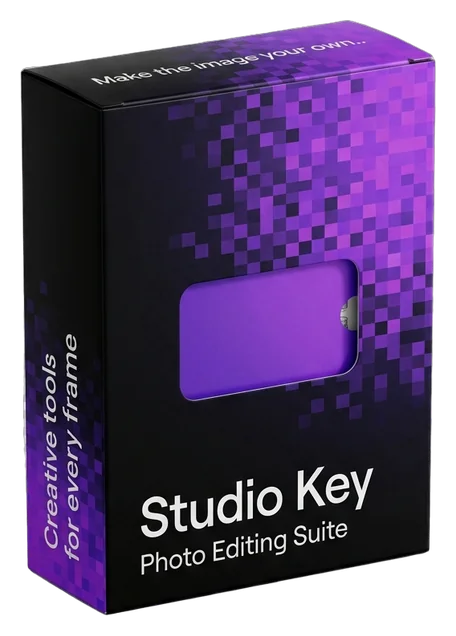
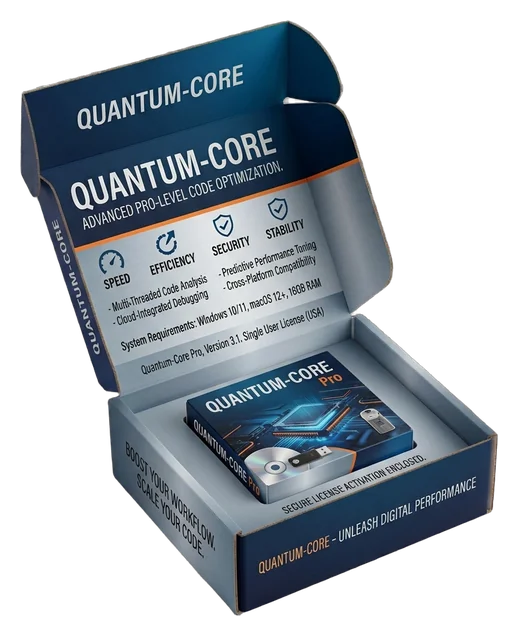
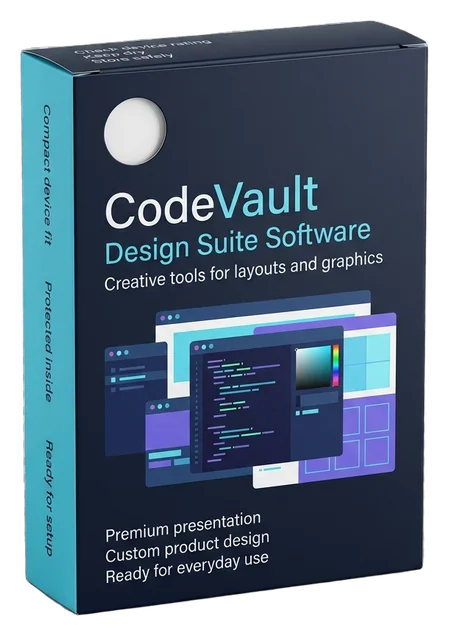
Turn an intangible software offer into a clear, credible product that customers can recognize, compare and begin using with greater confidence. Software can be powerful yet difficult to judge at a glance. Custom software boxes give the offer a tangible identity through disciplined color, edition naming, product information and a structure built around the included components. Whether the package is seen on a retail shelf, delivered as a launch kit or handed to an enterprise client, the design can clarify what the software is, who it is for and what is included. That makes the purchase or handoff feel deliberate rather than generic. We help shape the box around the way your software is sold, received and set up. The service can cover structure selection, fit planning, material guidance, artwork preparation, exterior and interior printing, finishes and inserts, so the final package supports both the brand promise and the customer’s first-use journey. A compact retail box may need fast edition recognition and readable compatibility details. A rigid launch kit may need stronger physical presence and a guided reveal for an activation card, USB drive, manual or hardware key. Paperboard, kraft, rigid greyboard and supported corrugated formats can be developed with full-color or spot-color printing, inside print, surface finishes and fitted inserts. Artwork and dieline support, digital proofing and in-house production connect the visible idea to a manufacturable result.

Get Custom Quote
SOFTWARE PACKAGING ROUTES
Choose a Box That Matches the Software Journey
Software packaging has to do more than contain a card, disc, USB drive or booklet. The right format should match how the offer is sold, delivered and opened, while giving every component a deliberate place. A compact tuck box may suit a straightforward retail edition, while a sleeve-and-tray pack can create a more controlled reveal. Rigid and corrugated routes can support launch kits, enterprise handoffs or direct delivery. Choose the structure by the contents, information load, sales channel and first-use sequence—not by appearance alone.

➜
Tuck-End Retail Boxes
A clean folded-carton route for activation cards, discs, slim manuals or compact USB packs that need clear information and fast recognition in retail or direct handoff settings.
- Single-card or media packs
- Snug folded-board fit
- Clear edition identification
- Shelf and handoff ready
Keep the software offer compact, understandable and visibly connected to the brand.
Customize Now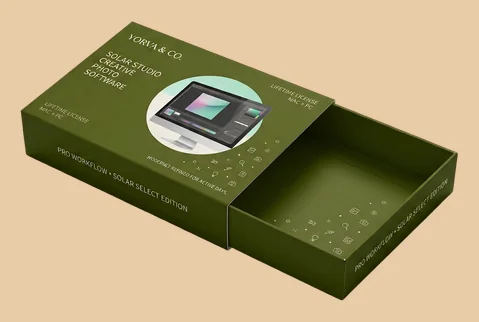
➜
Sleeve-and-Tray Packs
A sliding format that separates the outer brand message from the inner component arrangement, making it useful for premium editions, upgrade kits or software bundles with a planned reveal.
- Cards, USBs or booklet sets
- Sliding tray with fitted insert
- Branded sleeve across versions
- Controlled first reveal
Create a more deliberate opening without making the setup journey feel complicated.
Customize Now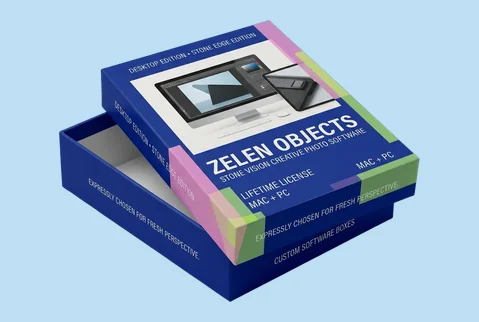
➜
Two-Piece Presentation Boxes
A lid-and-base structure for software packages that combine manuals, activation materials, media or welcome items and need a stronger handoff presence than a standard folding carton.
- Manuals and media together
- Organized lid-and-base layout
- Full-panel brand storytelling
- Client and launch handoffs
Give important releases and client deliveries a composed, gift-ready level of presentation.
Customize Now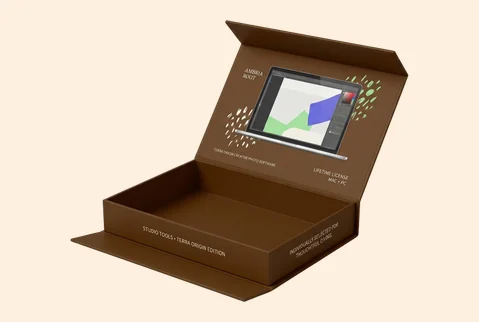
➜
Magnetic Rigid Launch Kits
A substantial rigid route for major launches, executive onboarding, enterprise deployments or collector editions where the package must carry several components and communicate a higher level of intent.
- Multi-item launch kits
- Foam or board inserts
- High-impact exterior detailing
- Guided executive-level reveal
Turn a strategic software release into a memorable and well-organized brand moment.
Customize Now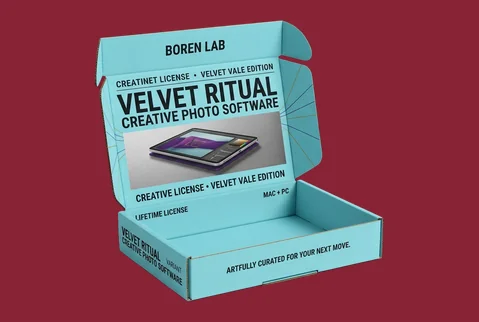
➜
Corrugated Software Mailers
A product-sized corrugated format for sending activation packs, onboarding materials, manuals or bundled accessories while carrying the same visual identity from delivery through the customer’s first opening.
- Shipped onboarding components
- Product-sized corrugated fit
- Inside-and-out brand continuity
- Direct delivery and onboarding
Protect the contents while keeping the arrival experience recognizably connected to your software brand.
Customize Now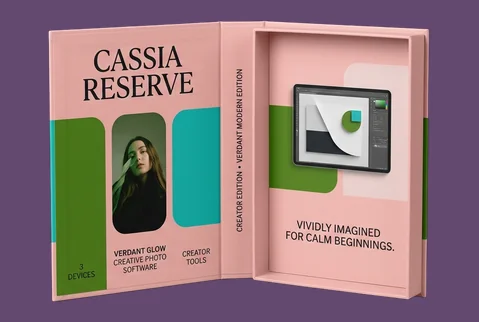
➜
Book-Style Setup Boxes
A hinged or book-opening presentation format that can guide customers through activation materials, instructions and included components in a clear, customer-friendly left-to-right or layered sequence.
- Activation card and manual
- Hinged presentation structure
- Cover-led brand recognition
- Guided setup access
Make the first-use path feel clear, ordered and intentionally designed from the first reveal.
Customize Now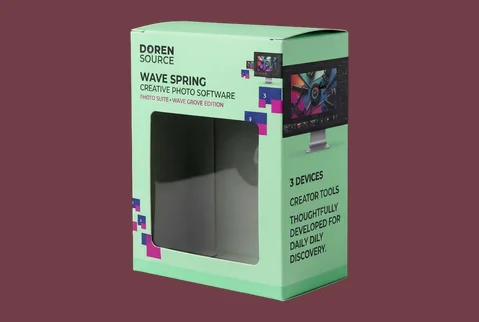
➜
Windowed Software Boxes
A display-led paperboard format for showing a branded USB device, security token, card or selected component while keeping key edition and compatibility information visible around it.
- Visible device or card
- Aligned die-cut window
- Information around the reveal
- Retail comparison at a glance
Combine product visibility with enough space to explain the software offer clearly and confidently.
Customize Now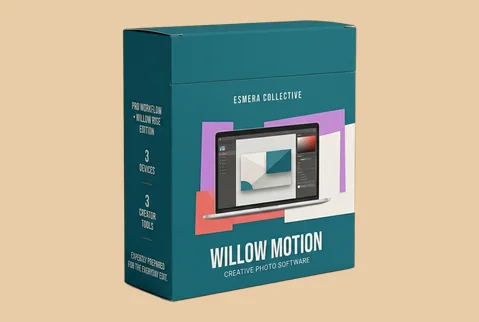
➜
Multi-Component Kit Boxes
A flexible kit route for software supplied with hardware keys, cables, training materials, accessories or multiple user packs that need secure separation and a logical setup order.
- Software and hardware together
- Custom foam or board cavities
- System map across panels
- Organized setup sequence
Help customers understand the full kit before they begin installation or deployment.
Customize NowMATERIALS THAT SET THE TONE
Build the Right Physical Character for the Software
Software may be digital, but its box still shapes expectations before activation begins. Smooth paperboard can give interface graphics, edition colors and detailed information a crisp, controlled appearance. Kraft can support a more direct, technical or independent brand character, especially when paired with strong white or dark printing. Rigid greyboard gives launch kits and enterprise presentations greater physical presence, while corrugated board can carry the same brand system into relevant direct-delivery packs. The material should match the product’s price position, component weight, handling route and intended customer impression.
Smooth Paperboard for Clear Product Reading

SBS paperboard gives detailed graphics, fine text, interface imagery and controlled brand colors a clean printing surface. It works well when customers need to distinguish editions, read compatibility information or understand several product benefits within a compact retail format. The physical impression remains neat and professional without making a straightforward software offer feel unnecessarily elaborate.

Kraft for a Direct, Independent Character

Kraft can suit developer tools, education products, creative applications and independent software brands that want a more straightforward or craft-led identity. Strong white ink, dark linework or limited-color artwork can create clear contrast against the natural board character. The value is not an unsupported environmental promise; it is a distinctive material expression that can make the product feel practical, confident and deliberately different.
Rigid Greyboard for Important Releases

Rigid greyboard gives enterprise kits, premium editions, launch packages and high-value client handoffs more weight and physical presence. It can support magnetic closures, wrapped surfaces, fitted trays and layered component arrangements. Choose it when the opening should feel like an important introduction to the software, service relationship or implementation program rather than a routine retail transaction.
Corrugated Board for Branded Delivery

Supported corrugated formats can carry software onboarding packs, manuals, activation materials and related accessories through direct delivery. The surface can continue the same color, typography and product language used across the wider brand. This route is most relevant for product-sized mailers, presentation kits and promotional packs—not large commodity shipping-carton requirements where the commercial priorities are different.
MAKE THE PRODUCT CLEAR
Turn Complex Software Into a Recognizable Product
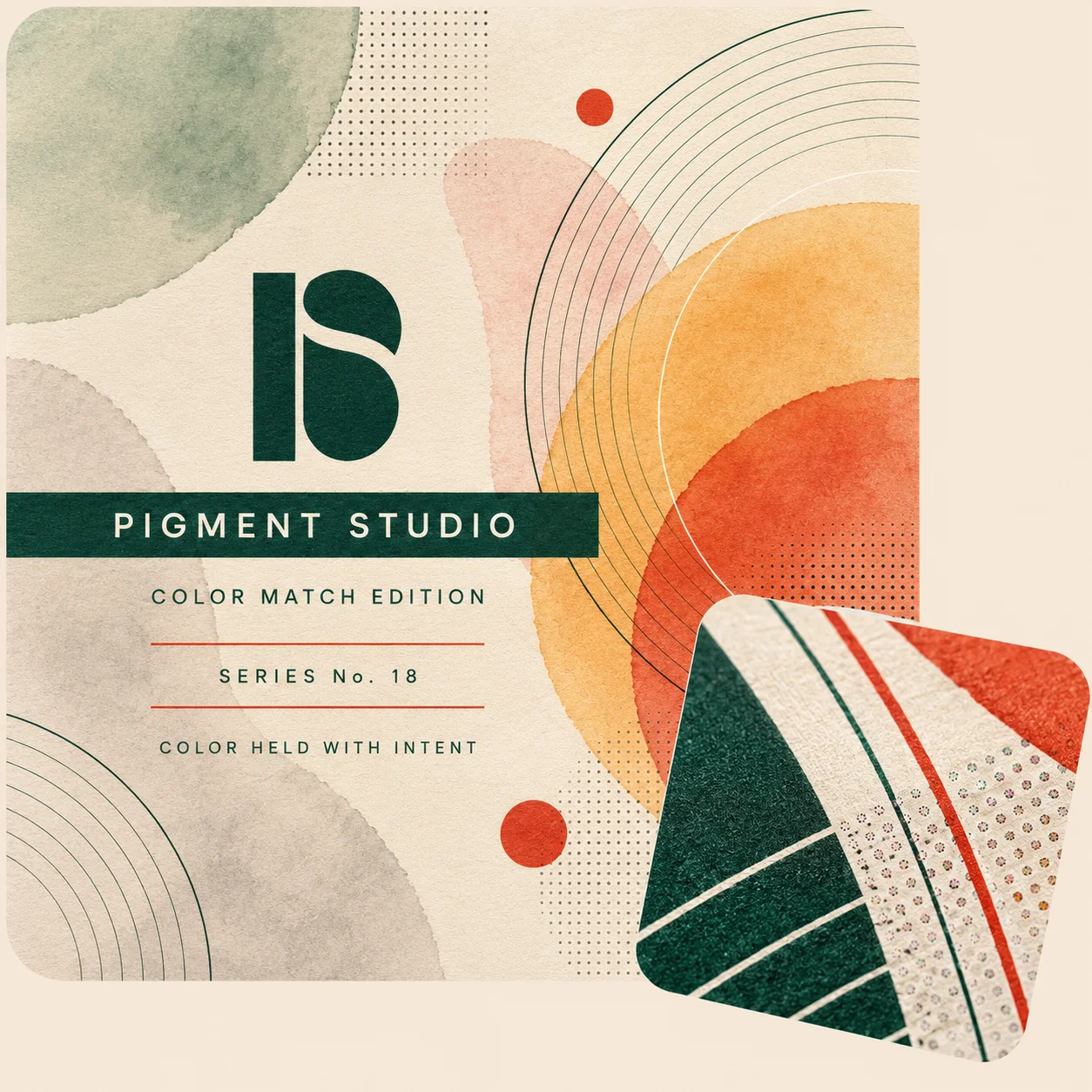
A software box should help customers understand the product before they have to study every line of copy. Use printing to establish the parent brand, distinguish editions, identify platforms and place compatibility, activation or account information where it can be found quickly. Full-color CMYK, PMS spot colors, metallic ink, white ink on kraft and inside printing provide room for both expressive launch artwork and disciplined technical communication. The goal is a connected visual system that remains recognizable across retail display, direct delivery, enterprise handoff and the first steps of setup.
- Separate editions without breaking the parent brand
- Make platform and compatibility details easier to find
- Give activation and setup information a clear order
- Carry the visual identity across every relevant panel
- Build launch and upgrade editions around the moment
- Continue useful brand and product cues inside
Printing can cover the front, back, top, bottom, sides and interior where the chosen structure allows it. That freedom is most valuable when every surface has a defined job: attract attention, explain the offer, distinguish the version or help the customer move toward setup.
Get Instant Quote➜SURFACE CUES WITH A JOB
Control What Customers Notice and Feel First
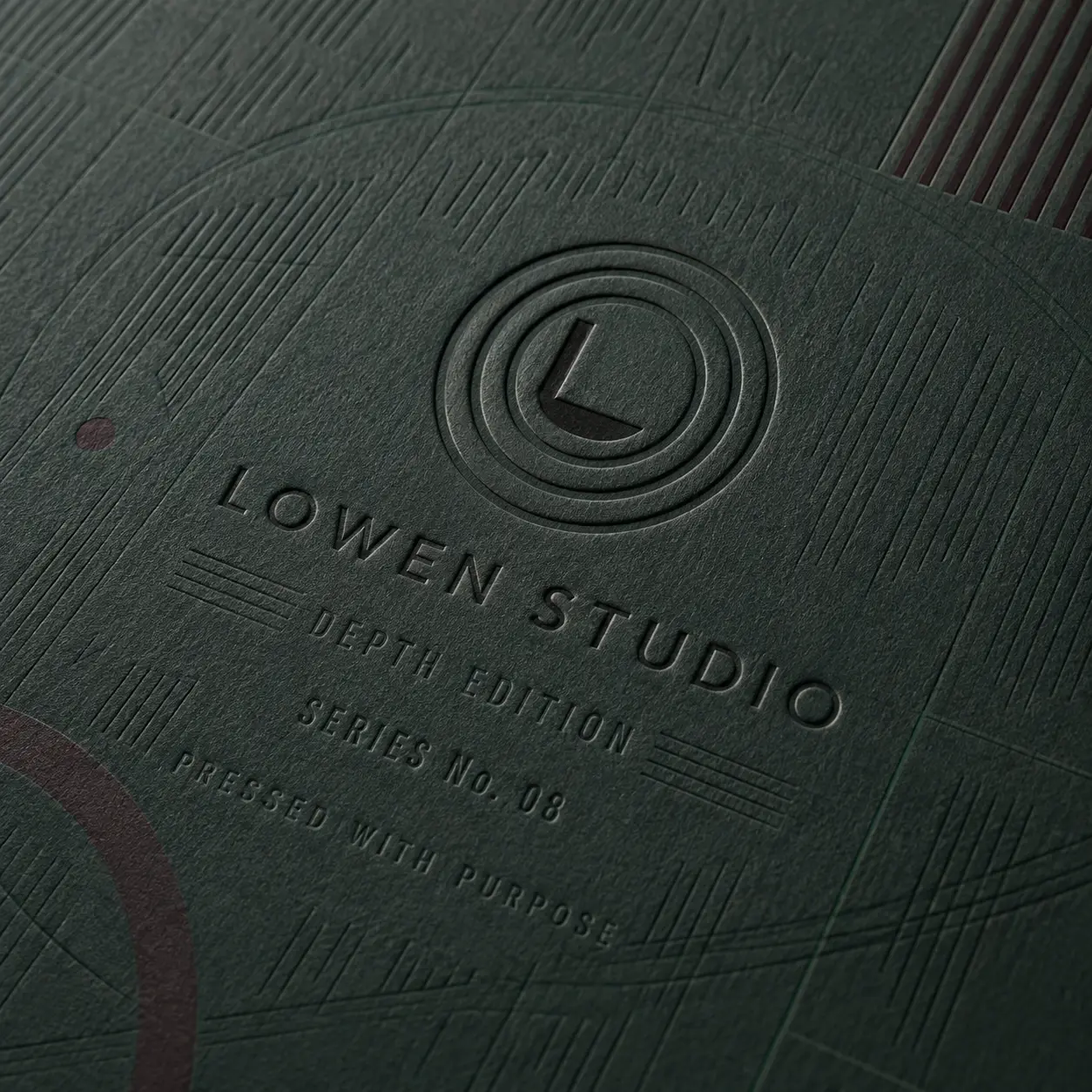
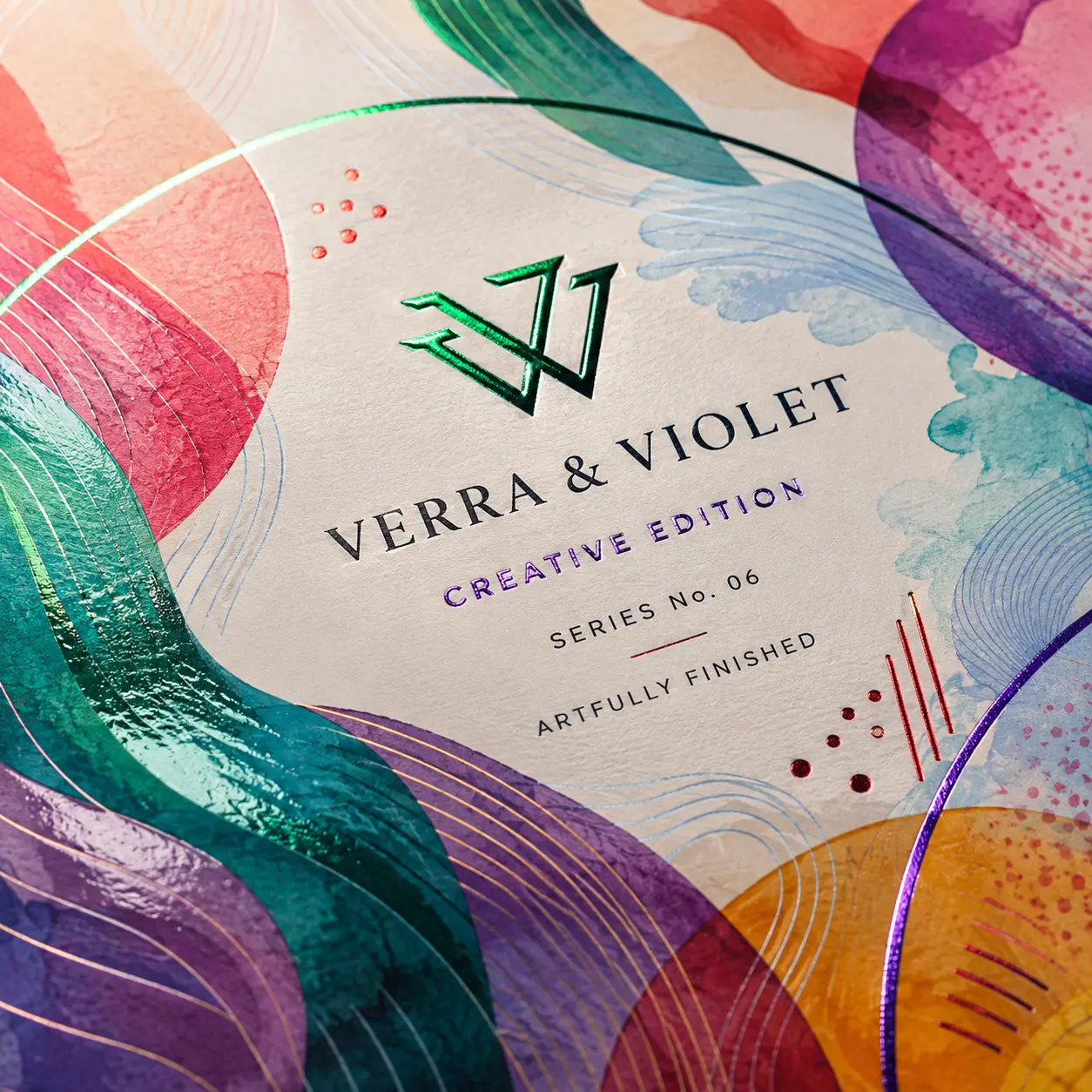
A finish should help customers read the software package in the intended order. It may establish a calm technical surface, draw attention to the product name, separate a professional edition from a standard version or give a launch package more ceremonial weight. Matte, gloss, soft-touch, foil, embossing, debossing and raised spot effects should therefore be selected around a clear communication purpose. Adding every available treatment can make technical information harder to navigate; a controlled finish plan makes the package feel more confident and coherent.
-
 Set the Overall Product Mood
Matte lamination can give professional, security, productivity or enterprise software a quieter and more controlled surface. Soft-touch can add a more considered hand feel to premium editions and client kits. Gloss can support brighter gaming, education, creative or entertainment artwork when stronger color energy is part of the product identity.
-
Give the Product Name More Weight
Foil, embossing, debossing, spot UV or raised effects can give the brand mark, edition name or primary product cue greater visual and tactile importance. Gold, silver, rose-gold and other supported finish shades can be used selectively. The aim is to guide the customer’s attention toward the most meaningful information rather than decorate every panel equally.
-
Distinguish Releases Without Losing Continuity
A launch edition, enterprise tier, upgrade package or collector release may need to feel distinct from the core product. Selective surface contrast can create that difference while the typography, layout and parent-brand system remain connected. Customers can recognize the software family first and then understand which version they are holding.


PLAN THE FIRST-USE REVEAL
Make Opening Feel Like the Start of the Product
The opening should continue the clarity promised by the exterior. A well-designed software box can reveal an activation card first, separate a USB drive or hardware key from printed materials and place setup information where the customer naturally looks next. Inserts, dividers and printed interior surfaces are useful when they make the contents easier to identify and follow. They should not create extra layers without a purpose. For launch kits, enterprise onboarding, training packages and multi-component editions, the result can be a more ordered transition from receiving the package to understanding what is included and what happens next.
-
Keep the Brand Present After Opening
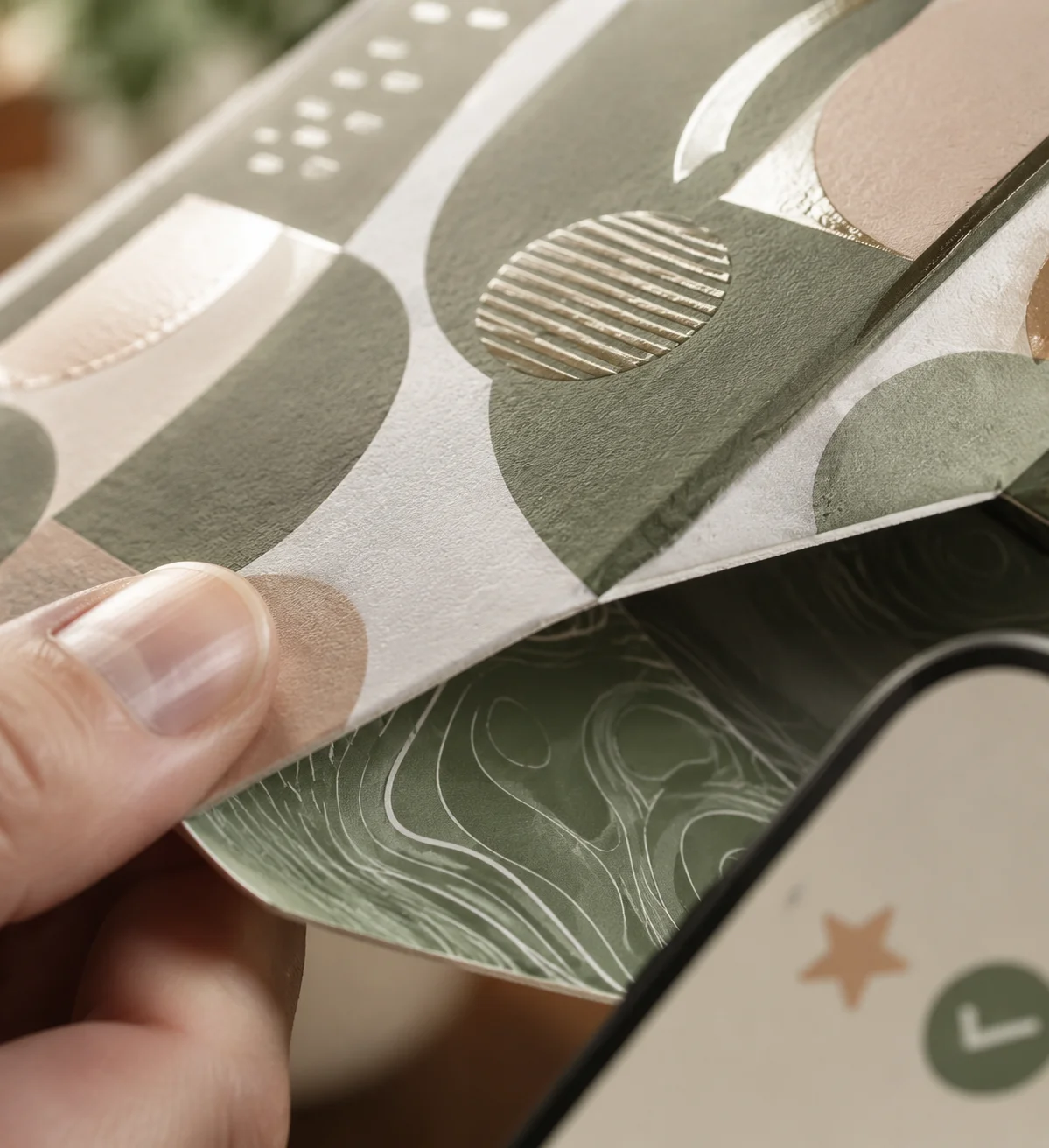
Carry relevant colors, interface details, illustrations or concise messaging onto the interior surfaces. This prevents the customer from moving from a carefully branded exterior into a visually disconnected interior at the most important moment of product discovery.
-
Put Setup Elements in a Logical Order
Use foam, paperboard, kraft or corrugated inserts to separate activation cards, USB devices, security tokens, manuals and accessories where they are included. The arrangement can make each component easier to identify and help the customer understand which item should be used first.
-
Give Important Releases a Stronger Reveal
Control what becomes visible when the lid lifts, sleeve slides or book-style cover opens. A launch message, welcome card or primary activation item can appear before supporting materials. This gives premium releases and client handoffs a more intentional beginning without turning the opening into unnecessary theatre.


EXPERT-GUIDED SOFTWARE PACKAGING
Software Box Customization Made Easy & Fast — Built to Store, Label & Present
Our software packaging experts, structural designers, print specialists, consultants, and project managers make custom software box ordering easy and fast by bringing your supplied CD, DVD, USB drive, license card, activation card, manual, quick-start guide, booklet, warranty insert, retail count, product edition, selected box style, artwork, technical copy, platform details supplied by the brand, and brand direction into one production-ready package. We guide disc or card fit, manual compartment sizing, insert cavities, divider spacing, sleeve tolerance, rigid or paperboard selection, window placement, retail display or mailer needs, coating and finish compatibility, logo placement, barcode, QR, serial-number, activation-code, SKU, edition, compatibility, and warning-panel spacing where required, dieline alignment, bleed, safe zones, cost calculation, timeline planning, prepress setup, and 3D proof review. The result is a custom software box that organizes supplied contents, presents tech branding clearly, and moves to production with fewer sizing, print, structure, or approval risks.
-
Fast
Specs-to-Quote Alignment
Experts align software format, insert count, selected box style, board thickness, divider needs, artwork, edition panels, cost, timeline, prepress setup, and 3D proof early — helping reduce quote delays and approval back-and-forth.
-
Exact
Disc, USB & Manual-Fit Review
We check CD sleeve size, DVD case allowance, USB cavity, activation card dimensions, booklet thickness, manual compartment, divider spacing, sleeve tolerance, box depth, and closure behavior so the software box fits properly.
-
Retail-Ready
Edition Panel & Print Check
Print specialists review dieline alignment, logo placement, platform panels, compatibility details supplied by the brand, barcode or QR placement, serial-number areas, activation-code card space, foil, spot UV, embossing, coating compatibility, and finish-mask setup so software packaging looks polished.
Plan a Software Box That Works Before It Prints
A successful software package begins with practical decisions about the contents, channel, information and rollout—not with a finish list. Our team can help translate those decisions into a suitable structure, dieline and production specification. The following steps help reduce avoidable fit, artwork and scheduling problems before manufacturing begins.
-
Start With Everything the Box Must Hold
List every physical item that will be packed, including activation cards, booklets, USB drives, discs, hardware keys, cables, welcome materials or training documents. Provide the length, width and height of each item, along with the intended pack count and arrangement. Also identify any irregular shapes, protective sleeves or wrapped components. Where an insert is needed, we must consider the product cavities, spacing, removal clearance and the order in which the customer should access the contents. Exact box dimensions should be developed from these inputs rather than estimated from a generic software-box size.
-
Match the Configuration to the Sales and Delivery Route
A retail package may prioritize compact dimensions, edition recognition, barcode space and readable compatibility details. A direct-delivery pack may need a product-sized corrugated structure with a clear opening route. An enterprise kit may combine software access with implementation guides, account information or supporting hardware. Tell the packaging team whether the box will be displayed, mailed, presented in person, included in a larger kit or distributed to several customer locations. This information affects the structure, material, closure, information hierarchy and packing process. The same order can also be shipped to multiple addresses when the destination list, quantities and shipping arrangements are confirmed in advance.
-
Organize Version, Platform and Setup Information
Before artwork begins, decide which information must be visible immediately and which details can move to the back, side or inside. This may include the software name, edition, supported platform, system requirements, subscription term, included components, activation route, support information or legally required notices supplied by your team. Different editions should be easy to distinguish without looking unrelated. A stable parent-brand layout can remain consistent while controlled changes in color, naming, imagery or finish identify each version. For multi-design orders, provide a clear design list and quantity breakdown so every version can be checked separately.
-
Prepare the Artwork and Dieline for Approval
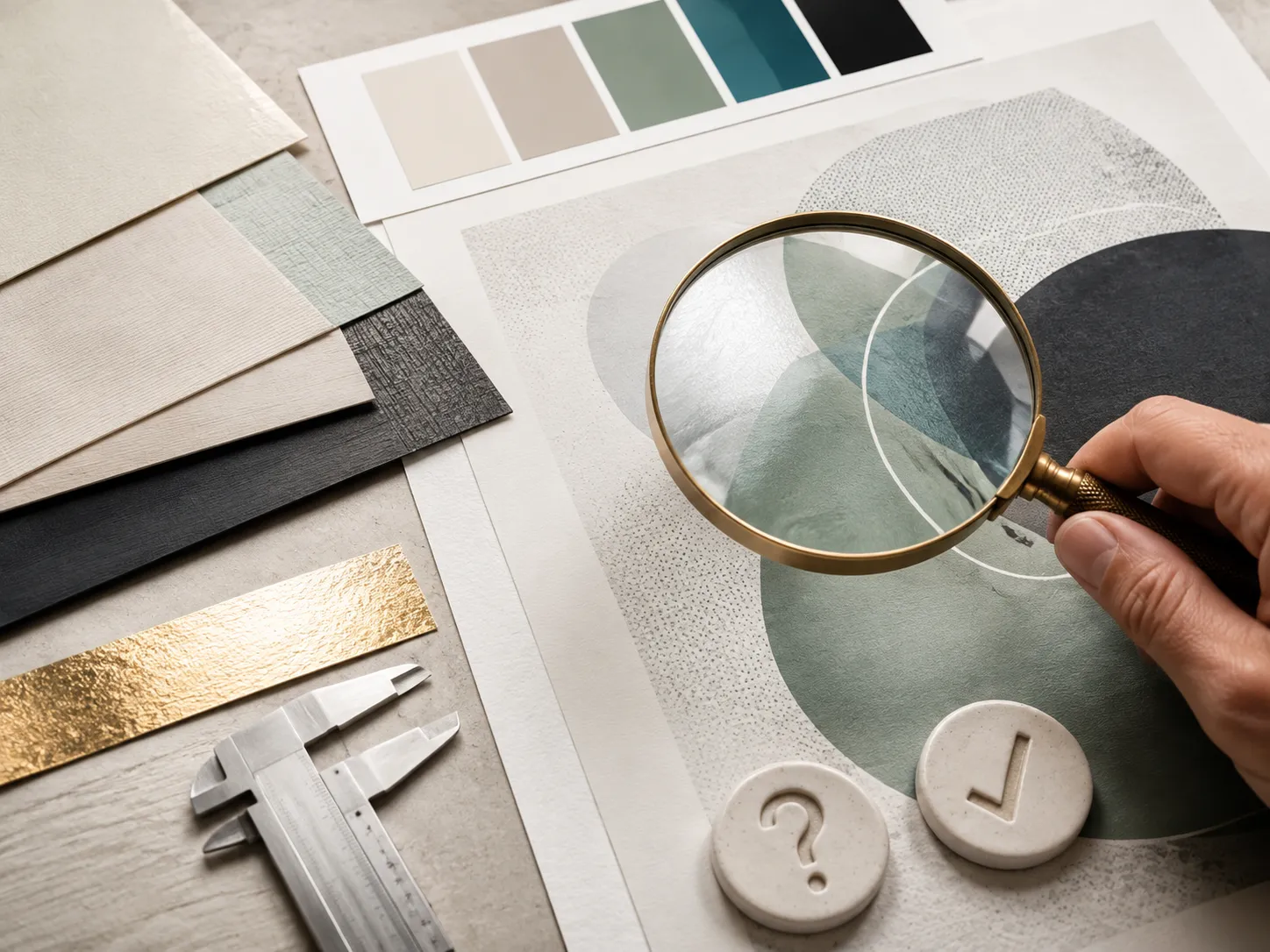
Free dieline or template support is available for the approved structure. Artwork checking can cover dimensions, bleed, safe zones, panel placement and general production readiness. Existing artwork can also be resized for confirmed dimensions, and design support is available when the supplied files need preparation. Accepted production formats include AI, PDF, PSD and EPS. Keep important text and marks within the indicated safe areas, extend background artwork through the bleed and avoid placing critical information directly across folds or cuts unless the design has been prepared for that effect. A digital proof is available for every approved order. Review product names, editions, colors, panel order, compatibility information, codes and all buyer-supplied legal or technical content carefully. Printing begins only after the required approval and production confirmation. A digital proof confirms the planned artwork; it is not a physical prototype.
-
Choose a Quantity and Production Plan
Paperboard, cardstock, kraft and supported corrugated software boxes may start from 50 units. Supported rigid-box formats may start from 25 units. These starting quantities can still include relevant custom sizing, printing, material, finish and insert choices, subject to the approved structure and production specification. Per-unit pricing generally improves as quantity increases, with more visible differences often appearing around 500 units. Request pricing for the quantities that match your launch, pilot, client rollout or wider release rather than assuming the first quantity is the only practical option. A physical prototype may be available for a qualifying bulk or wholesale project, and its cost may be adjusted into the resulting order where approved. This should be confirmed for the specific project rather than treated as an unrestricted free-sample offer. Supported orders may also be produced without separate die or plate fees. Production normally takes 4–6 business days after payment, final artwork approval and structure confirmation. Production-ready jobs are generally planned to print and ship within 7 business days. Shipping transit time is separate, while complex multi-design orders may require a separately confirmed schedule. The clearest quotation will therefore include the contents, measurements, preferred structure, material direction, number of designs, quantity per design, print requirements, finishes, insert needs and delivery destinations. With these details confirmed early, the service can focus on producing a box that looks intentional, packs correctly and supports the way your software reaches the customer.

SOFTWARE BOX QUESTIONS
Answers Before You Size, Print and Launch
Yes. The structure and insert can be planned around the exact physical items included with your software. Provide the dimensions and quantities of each activation card, USB drive, disc, booklet, security token, cable or hardware key. Foam, paperboard, kraft, cardboard and corrugated inserts can be die-cut around relevant component shapes. The box dimensions should be developed after the complete arrangement is confirmed, including the space needed to remove each item comfortably. This avoids relying on a generic box size that may not suit your actual kit.
Yes. A shared layout, logo position, typography system and panel structure can keep every edition visibly connected to the parent brand. Controlled changes in color, imagery, edition naming or selective finishes can then separate Standard, Professional, Enterprise, Education or other versions. The important information should be easy to compare at a glance. Platform, compatibility, license type and included components can be organized consistently across the range, helping customers identify the correct version without making each box look like a different product family.
Yes. Relevant internal surfaces can be printed with a welcome message, activation sequence, setup direction, support route or concise product guidance. Inserts can also control which item the customer sees first and keep cards, manuals, USB devices or hardware keys in a logical order. The inside should not be overloaded with instructions that belong in a full manual or online help center. Its role is to provide a clear beginning, direct the customer to the correct next step and continue the brand identity established on the exterior.
Yes. A growing software business can begin with packaging built around its own product and brand without committing to a large first run. Paperboard, cardstock, kraft and supported corrugated boxes may start from 50 units, while supported rigid formats may start from 25. Relevant custom sizing, exterior or interior printing, material selection, finishes and inserts remain available at these starting quantities where they suit the chosen structure and production specification. This gives a smaller company room to prepare a pilot launch, client package or new edition without defaulting to generic stock packaging.
Yes. Dieline or template support, artwork checking, resizing, bleed guidance and safe-zone assistance are available for the approved box structure. AI, PDF, PSD and EPS files can be prepared for production. Provide the final product information, brand assets, edition details and any technical or legally required text your company needs to display. The team can help arrange these elements for printing, but the buyer remains responsible for confirming the accuracy of supplied compatibility, licensing, regulatory and legal information.
Yes. A digital proof is available for every approved order before production begins. It allows you to review the panel arrangement, text, edition names, graphics, codes and other visible artwork against the confirmed dieline. Check every software version carefully, especially when one order includes several designs. Production does not begin until the required artwork approval and structure confirmation are complete. A digital proof represents the planned print file and should not be confused with a physical prototype.
Production normally takes 4–6 business days after payment, final artwork approval and structure confirmation. Production-ready jobs are generally planned to print and ship within 7 business days. Shipping transit time is separate. Orders containing many software editions, separate artwork files or complex component arrangements may need a individually confirmed schedule. The team can review the number of designs, quantities, structure and required setup before production so any additional scheduling needs are communicated in advance.
Yes. A single order can be divided across multiple delivery addresses when the quantity for each destination and the complete address list are confirmed before shipment planning. This can support enterprise deployments, branch launches, reseller programs, training events, agency fulfillment or software kits being sent to several client locations. Shipping transit and charges may vary by destination, so provide the distribution list during quotation rather than after production has been completed. This copy can next be converted into backend-ready YAML or separated HTML fields without changing the approved customer-facing language.
CUSTOMER SUCCESS STORIES
Hear What Our Customers Say

As a small business, finding premium finishes in lower quantities was always difficult. Global Custom Packaging gave us the freedom to customize our boxes and create the distinctive, polished look we wanted without committing to a large order. We still work with them today and have expanded into multiple product variants, each with the same impressive presentation.
Jordan Blake
We sell online and in stores while regularly promoting at major events, running influencer campaigns, and launching seasonal collections. Thunder Packaging has become our dependable source for everything—from premium mailer and product boxes to sturdy influencer kits, rigid packaging, kraft boxes, and limited-edition Christmas designs. Whatever structure, material, or branded look we need, we no longer have to go anywhere else.
Avery Quinn

I never worry about how my packaging will look or whether my artwork contains typos, incorrect bleed areas, or other design errors. Their 3D previews and helpful design support give me confidence before printing. If the team notices a problem, they contact me, correct it quickly, and never charge extra for the assistance.
Cameron Reese
I’m really impressed with Global Custom Packaging’s precise, richly saturated printing and the accuracy of their die-cutting. The boxes were produced in exactly the right size, with a clean, well-formed structure and no fitting or construction issues. The finished packaging looked polished, consistent, and ready to represent our products professionally.
Morgan Taylor
I received my quote within a few hours, and once we agreed on the price, the designer responded quickly, completed the required changes, and prepared my artwork for printing. The 3D proof arrived promptly, allowing me to review everything and place my order that same day. My packaging was delivered on time, exactly as Global Custom Packaging had committed.
Harper Lane