

-

Low Starting Quantity
-

Digital Proof Included
-

Design Support Available
-
In-House Production
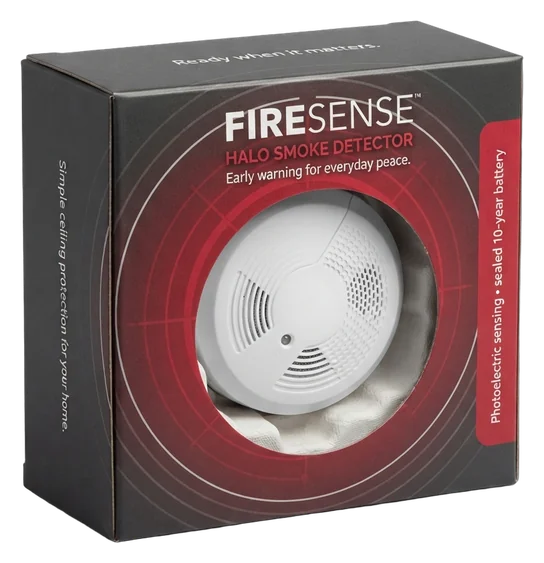
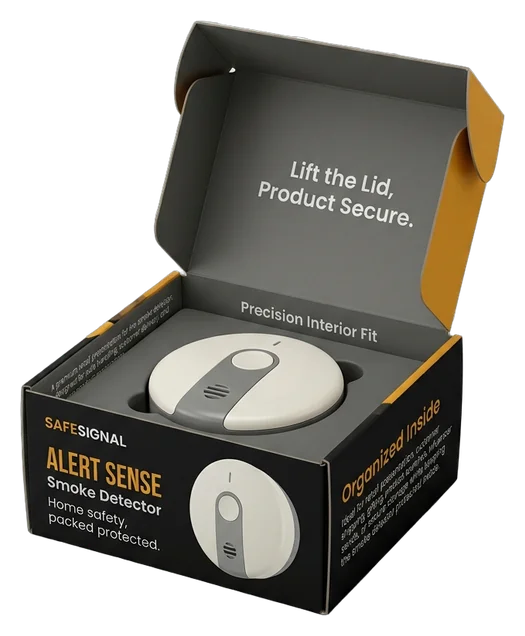
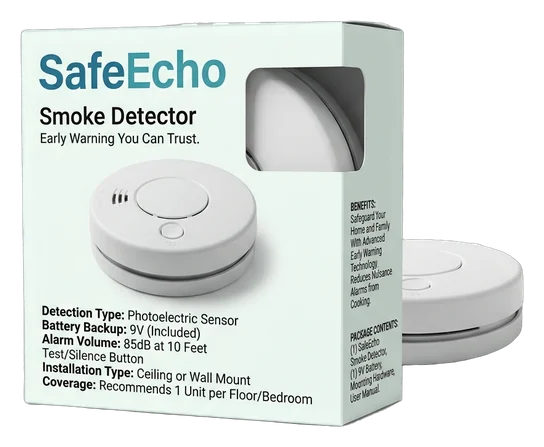
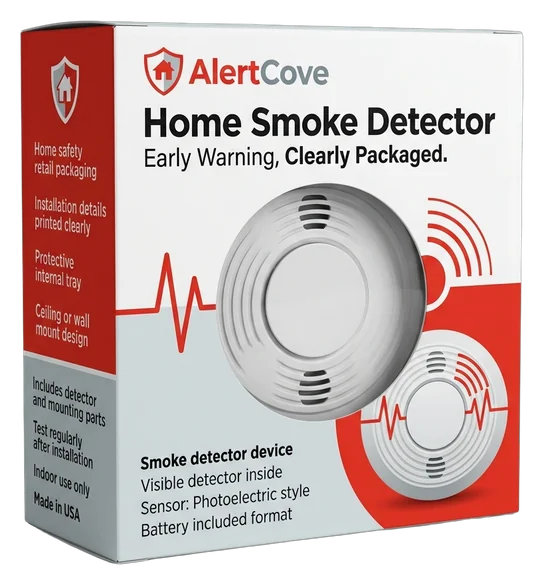
Turn a safety device into a clear, trustworthy package that helps customers recognize the product, understand the range and open it with confidence. Smoke detectors compete for attention beside alarms, sensors and smart-home devices that can look similar at first glance. Custom smoke detector boxes give you control over the structure, color system, information order and physical feel, so the pack can identify the model quickly and support a dependable brand character. That clarity matters on a retail shelf, in an installer handoff or when an online order arrives at the customer’s door. We help you build the box around the way your detector is sold and received. Whether the pack holds one unit, a detector with mounting hardware or a coordinated multipack, the goal is a neat exterior, an orderly interior and an opening sequence that makes the product feel carefully prepared. The result is supported by practical production choices rather than surface claims. We can plan the fit, recommend a suitable paperboard, kraft, rigid or corrugated route, print across the outside and relevant inside panels, add purposeful finishes, and create inserts or dividers for components. Dieline and artwork support help prepare the file, while a digital proof lets you review the approved design before production begins.

Get Custom Quote
PACKAGING ROUTES THAT FIT
Choose a Box Structure That Clarifies the Product
A smoke detector box should match the device, the included parts and the way the pack reaches the customer. A compact retail carton may need quick model recognition and efficient access, while a detector kit may need more support around the mounting plate, hardware, battery or printed instructions. Delivery and installer packs may benefit from corrugated strength and a guided interior. Choose the format by balancing fit, handling, information space and the order in which the customer should see and remove each item.

➜
Straight Tuck Retail Cartons
Use a streamlined folding carton for single detectors or compact packs that need clear shelf communication, efficient packing, useful information space and a familiar opening style.
- Single detector or compact pack
- Sized around the device profile
- Full-panel brand communication
- Simple retail-box access
Best for straightforward packs that need quick recognition without adding unnecessary structure.
Customize Now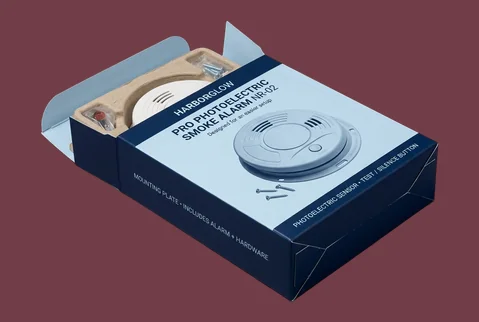
➜
Auto-Bottom Product Boxes
Choose an auto-bottom format when the pack carries a detector with mounting parts, printed guidance or other small components and needs a faster setup at packing.
- Detector with mounting parts
- More supportive assembled base
- Outside and inside printing
- Smooth packing and opening
Creates a more settled pack while keeping the customer’s first access clear and practical.
Customize Now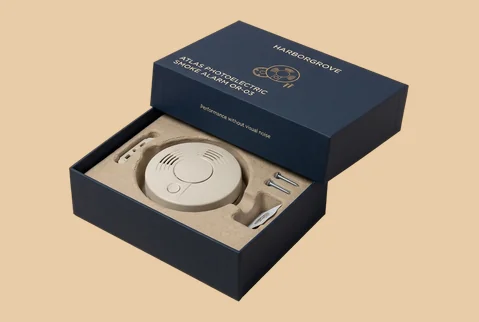
➜
Two-Piece Presentation Boxes
Use a lid-and-base structure for connected-home ranges, higher-value detector systems or presentation-led programs that benefit from greater physical presence, organized inserts and a slower reveal.
- Single systems or coordinated sets
- Insert-ready interior arrangement
- Branding across lid and base
- Controlled lift-off reveal
Helps a considered product line feel deliberate from first sight through product lift-out.
Customize Now
➜
Corrugated Mailer Kits
Plan a compact corrugated mailer for online delivery, installer kits or multi-unit programs that need more handling strength, branded arrival, separated components and organized product discovery.
- Multi-unit or installer kits
- Dividers separate key components
- Branded exterior and interior
- Delivery-ready opening sequence
Carries the same brand character into delivery without positioning the pack as a commodity shipping carton.
Customize NowMATERIALS THAT SIGNAL TRUST
Match the Box Feel to the Product Promise
The board does more than carry print. It helps the box feel as clear, dependable and carefully prepared as the device inside. Smooth paperboard can give model names, icons and instructional graphics clean definition. Kraft can support a simpler, more natural home-care identity, especially when white ink or restrained color is used well. Corrugated material can extend the brand into delivery or installer kits, while rigid greyboard can add greater presence to connected-home systems or presentation-led sets. The right choice depends on product weight, component count, channel and intended impression—not thickness alone.
SBS Paperboard for Clear Product Communication

Smooth SBS paperboard gives detailed artwork, model names, diagrams and color-coded variants a clean surface. It can suit retail cartons and compact product boxes where the customer needs to understand the device quickly. The finished pack can feel precise and professionally prepared without becoming unnecessarily heavy.

Kraft for a Simpler Home-Care Character

Natural kraft can support brands that want a restrained, practical or home-focused identity. White ink, controlled color and clear typography can keep the pack readable while allowing the material character to remain visible. It works best when the natural appearance is a deliberate part of the brand rather than a substitute for clear design.
Corrugated Board for Kits and Delivery

A compact corrugated format can give online orders, installer packs or multipacks more handling strength while preserving a branded arrival. Exterior and interior printing can prevent the mailer from feeling like a generic shipping container, while partitions can help organize detectors, mounting parts and printed materials.
Rigid Greyboard for Connected Systems

Supported rigid-box formats can add greater physical presence to smart-home systems, product launches, demonstration kits or coordinated device sets. Wrapped surfaces, fitted inserts and a controlled lid-off or drawer-style reveal can make the system feel carefully engineered and deliberately arranged before the customer handles the individual components.
PRINT FOR QUICK RECOGNITION
Turn Technical Information Into Brand Confidence
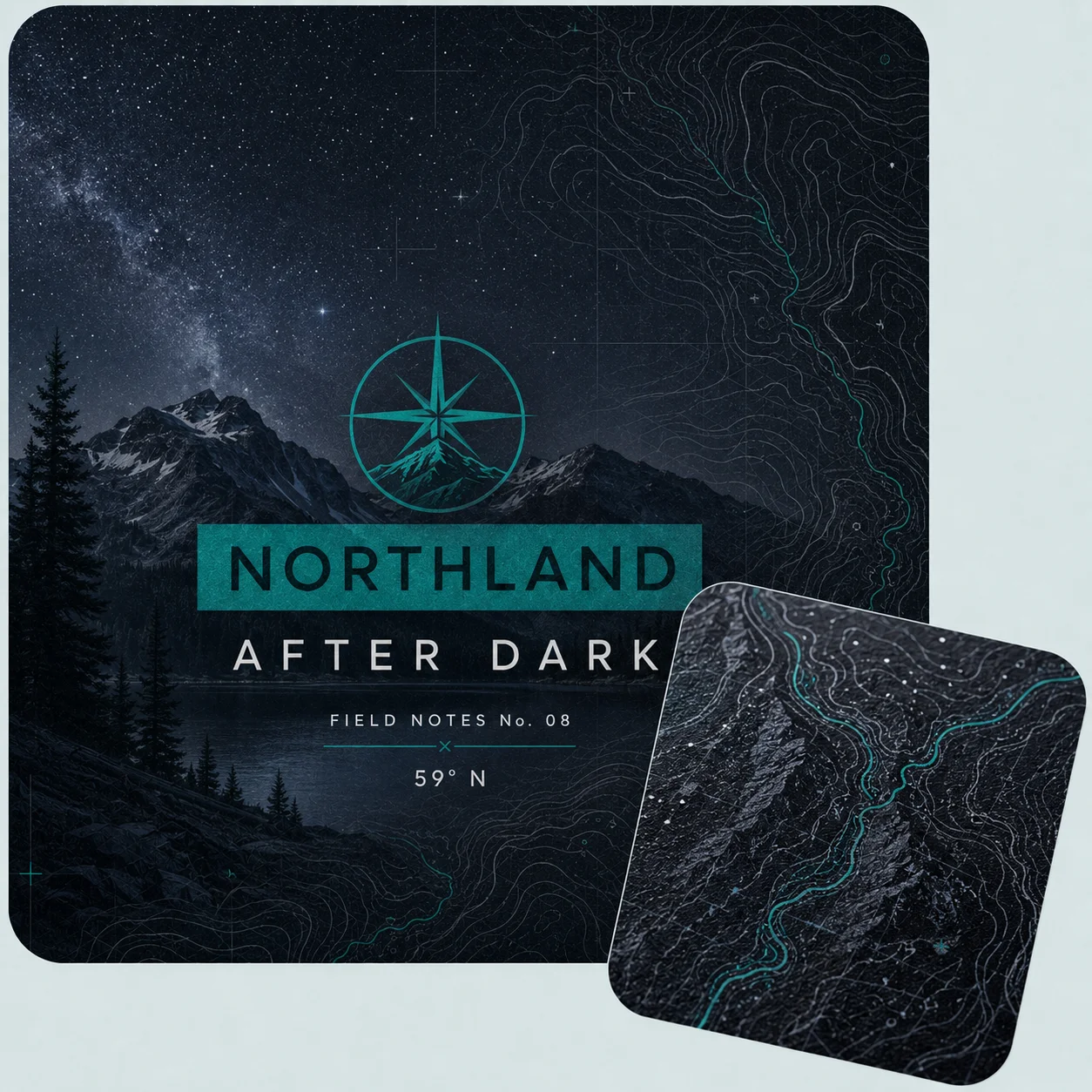
A smoke detector package often has to explain several things quickly: what the model is, how it differs from nearby options, what is included and which brand stands behind it. Custom printing can organize those cues into a clear visual system instead of forcing customers to search through crowded panels. Use color, typography, diagrams and controlled information zones to separate product identification from supporting details. Keep the same parent-brand language across retail cartons, online-order packs or installer kits, and continue selected graphics inside when the opening should feel connected to the exterior.
- Keep the model name easy to find
- Separate smart and standard variants
- Show included components at a glance
- Give every panel a clear purpose
- Keep parent-brand cues consistent
- Continue selected graphics inside
SURFACE CUES WITH A JOB
Guide Attention Without Crowding the Box
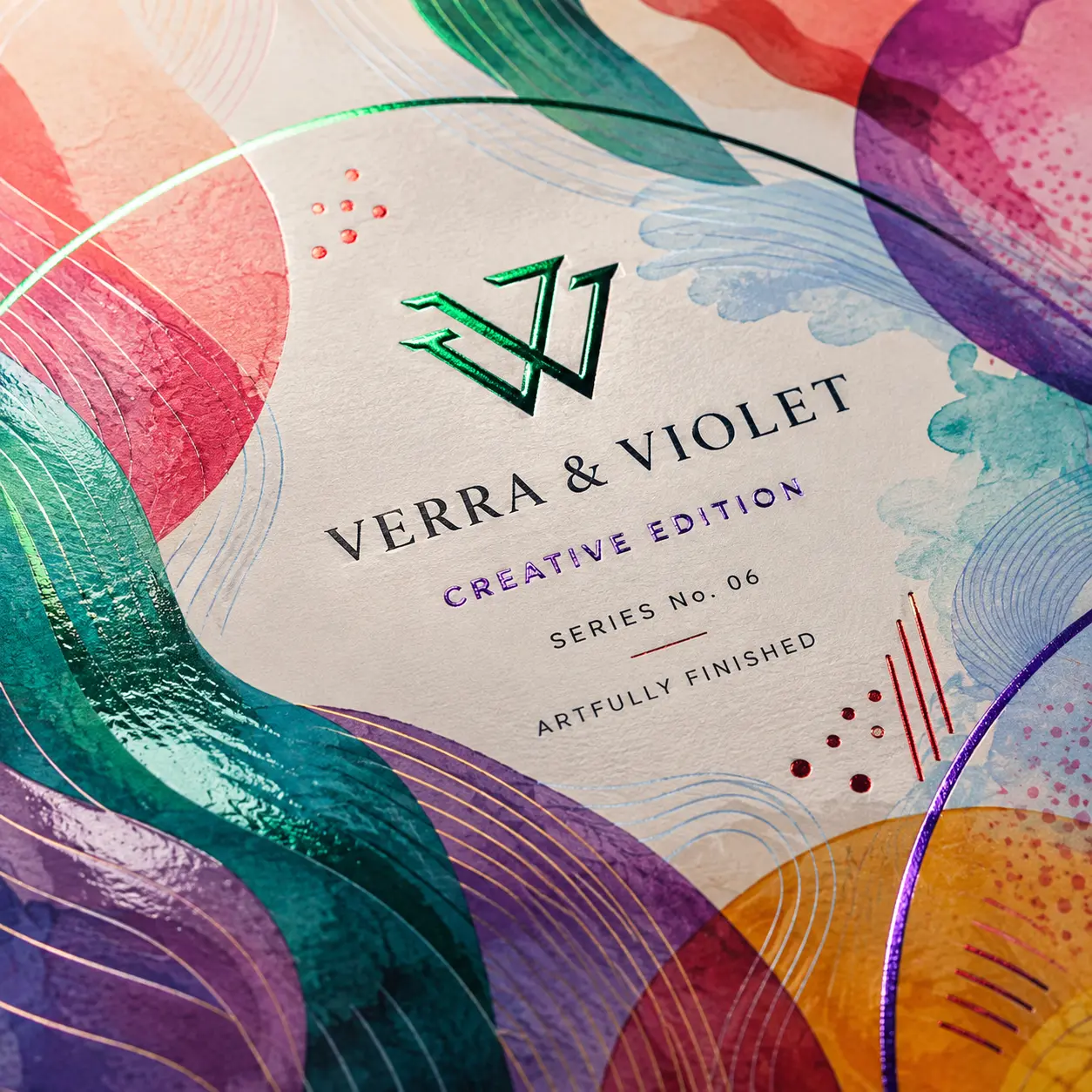
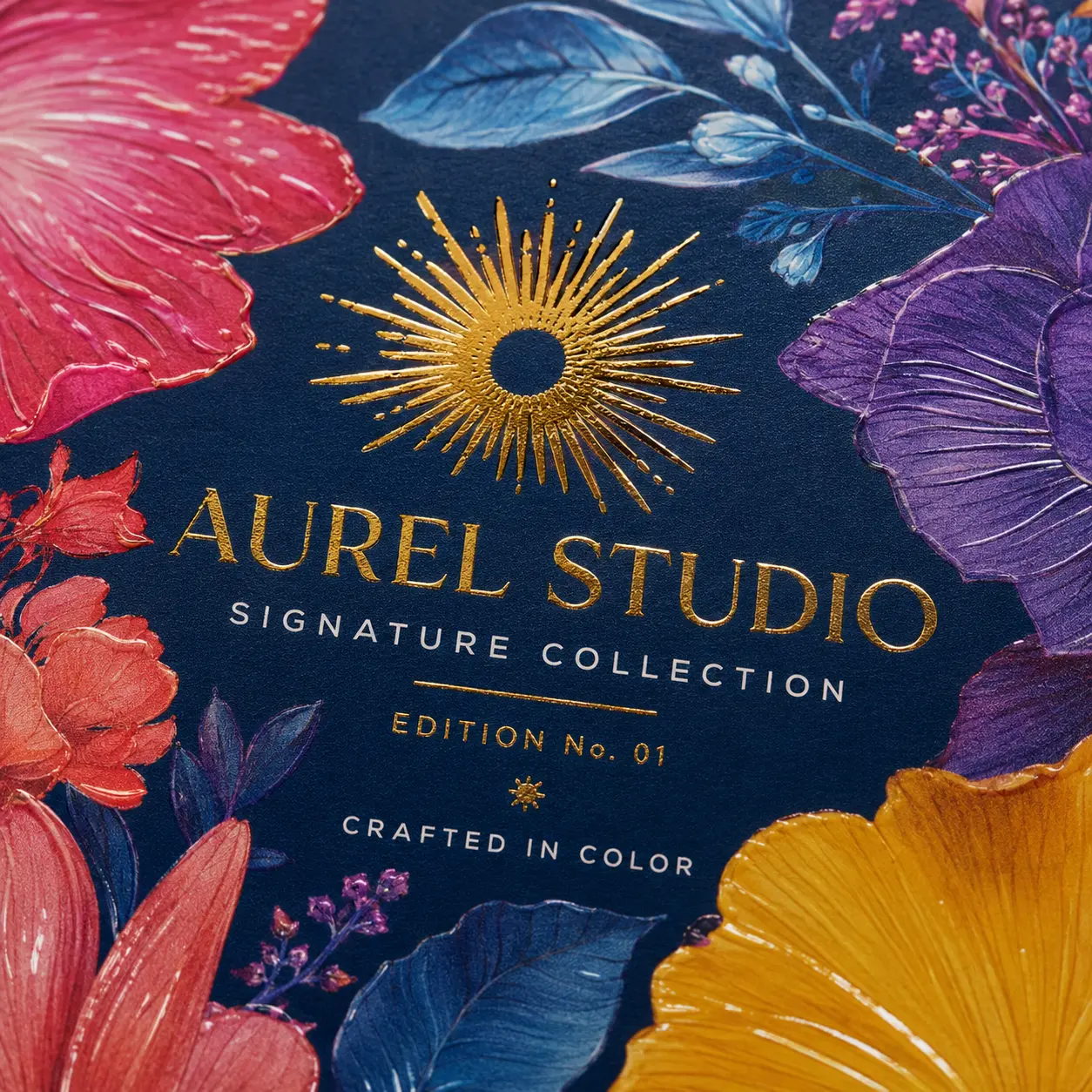
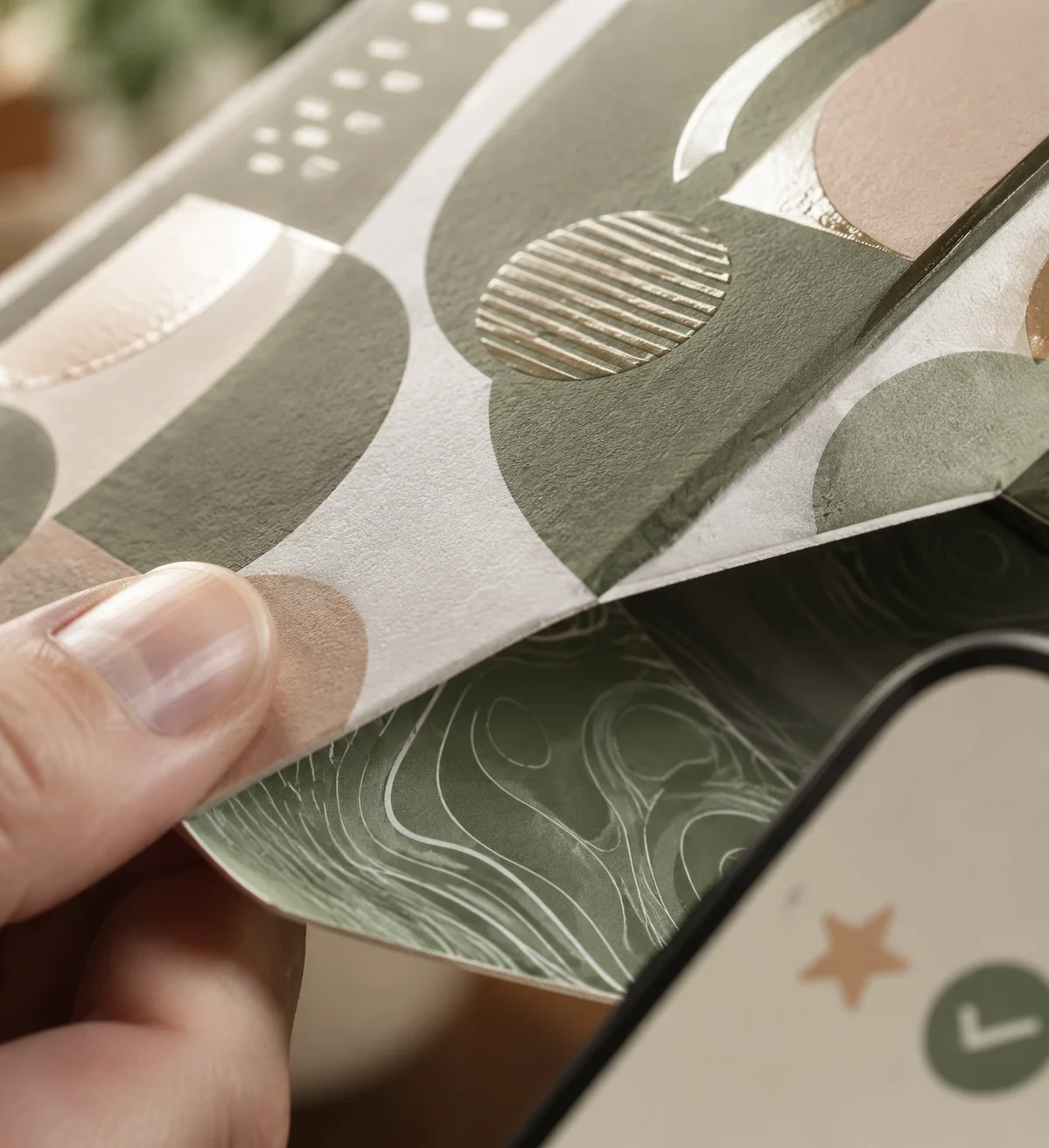
Finishes should make the information order easier to understand, not compete with it. A calm matte surface can support technical confidence, while gloss may suit brighter smart-home artwork or stronger product imagery. Spot UV, foil, embossing or debossing can give selected elements more weight when used with restraint. The right surface plan helps customers notice the brand, model or key product cue first, then move naturally to secondary information without making the box feel busy.
-
 Establish the Overall Surface Character
Matte lamination can create a controlled, modern surface for home-safety or connected-device ranges. Soft-touch can add a more tactile character to selected presentation-led systems. Gloss may be useful where stronger color, product imagery or a brighter smart-home identity is more appropriate.
-
Give Important Elements More Weight
Spot UV, raised UV, foil, embossing or debossing can draw attention to a logo, model name or selected device cue. The purpose is to establish a clear viewing order. Applying effects across every available surface can weaken that order and make technical information harder to read.
-
Separate Editions Without Losing Continuity
A contractor kit, smart-connected model, multipack or special retail edition may use a different surface contrast from the core product. Selective foil, texture or gloss can mark the difference while the typography, color logic and parent-brand system remain connected.

PLAN THE FIRST REVEAL
Make Every Component Easy to Find After Opening
The first opening should help the customer understand the pack, not simply expose loose parts. For a single detector, that may mean an immediate view of the device with mounting hardware and instructions held separately. For multipacks or installer kits, the interior may need a clearer sequence so each unit and accessory can be found without confusion. Printed inside panels can continue the brand’s visual language, while inserts, dividers and planned spacing support a tidy lift-out. The outcome is a more ordered introduction from opening through setup preparation.
-
Continue the Brand Logic
Carry selected colors, diagrams or short messaging inside the box so the identity established on the exterior does not disappear when the package opens. Interior content should remain useful and restrained rather than repeat every exterior claim.
-
Arrange the Detector and Hardware
Use paperboard, kraft, corrugated or foam inserts to give the detector, mounting plate, screws, battery or other approved components a defined position. The arrangement can reduce visual clutter and make each item easier to identify.
-
Make Setup Preparation Feel Ordered
Plan what the customer sees first, where printed instructions sit and how the detector is lifted from the pack. A clear component sequence can make a retail purchase, installer handoff or delivered order feel more carefully prepared without turning the opening into unnecessary theater.


EXPERT-GUIDED SAFETY DEVICE PACKAGING
Smoke Detector Box Customization Made Easy & Fast — Built to Fit, Protect & Display Alarms
Our smoke detector packaging experts, structural designers, print specialists, consultants, and project managers make custom smoke detector box ordering easy and fast by bringing your alarm diameter, body depth, mounting-plate size, power source, battery format, sensor-vent profile, button layout, accessory count, selected box style, artwork, and brand direction into one production-ready structure. We guide clearance around sensor vents, test buttons, silence buttons, speaker grills, battery doors, mounting brackets, screw packs, adhesive pads, wiring leads, manuals, and detector bodies, blister, foam, molded-pulp, corrugated, or paperboard insert tolerance, hanger-tab strength, window placement, stock thickness, coating and finish compatibility, barcode, SKU, QR, model, power source, alarm type, warranty, warning, instruction, and certification-mark spacing where supplied by the brand, dieline alignment, bleed, safe zones, cost calculation, timeline planning, prepress preparation, and 3D proof review. The result is custom smoke detector boxes that fit the device, reduce movement, organize mounting parts, print technical artwork cleanly, and move to production with fewer sizing, print, structure, or approval risks.
-
Fast
Specs-to-Quote Alignment
Experts align detector dimensions, power source, accessory count, selected box style, insert needs, stock thickness, artwork, cost, timeline, prepress setup, and 3D proof early — helping reduce quote delays and approval back-and-forth.
-
Exact
Alarm Body, Mounting Plate & Button Fit Review
We check detector diameter, body depth, mounting-plate size, battery-door position, test-button height, speaker-grill profile, wire-lead allowance, screw-pack space, and insert tolerance so the box fits the actual packed smoke detector.
-
Label-Ready
Warning, Instruction & Retail Panel Support
Print teams review barcode, SKU, QR, model number, power source, alarm type, warranty, warning-panel, installation instruction, compatibility, and certification-mark spacing where supplied by the brand, helping compact smoke detector packaging stay readable and production-ready.
Plan the Box, Artwork and Order With Confidence
Good smoke detector packaging starts with the real product and the way it will be sold, handled and opened. Our role is to turn those details into a workable structure, an organized artwork plan and a production path you can approve with confidence.
-
Build the Fit Around the Full Pack
Send the detector’s length, width and height, along with the mounting plate, screws, battery, manual, inner wrapping or any other item that belongs in the pack. Note whether the device is circular, square or irregular, but remember that the outer box itself must use a manufacturable non-round structure.We use the complete pack configuration to plan internal space, panel depth, insertion direction and removal clearance. Exact dimensions should come from the approved product specification or a physical sample; they should never be guessed from a product photo. If several detector models share one visual system, identify which units can use the same structure and which need separate sizing.
-
Match the Structure to the Sales Channel
The best structure depends on where the customer meets the product. A straight or reverse tuck carton can suit a compact retail unit. An auto-bottom box can support faster packing or a slightly heavier component set. A two-piece paperboard or rigid format can give connected-home systems more physical presence.A compact corrugated mailer can work for online delivery, installer kits or coordinated multipacks where added handling strength and internal organization matter. Tell us whether the priority is retail display, direct delivery, contractor handoff or more than one channel. We can then help balance information space, opening style and material character without overbuilding the pack.
-
Organize Components Before Styling the Interior
List every item that must remain separate and the order in which the customer should find it. A paperboard or corrugated partition may be enough for a detector and mounting parts. A die-cut foam insert may suit a higher-value system or a kit with several precisely shaped components.The insert should support arrangement and product lift-out without hiding essential items or making the customer fight the pack. We can also plan inside printing for a short setup sequence, brand message or component map, provided the content stays clear and the buyer supplies and approves any required technical, warning or regulatory information.
-
Prepare Artwork for Every Useful Panel
Once the structure is confirmed, dieline and artwork support can help place the design on the correct panels. Accepted production files include AI, PDF, PSD and EPS. We can check artwork, resize it for approved dimensions and assist with bleed and safe zones.Use the front panel for fast product and brand recognition, then assign side, back, top, bottom and inside panels a clear job. Model names, compatibility details, installation guidance, warnings and legal copy must be accurate and buyer-approved. A digital proof is available for every approved order so you can review content, panel position and the final production layout before printing begins.
-
Set Quantity and Timing Before Approval
Paperboard, cardstock, kraft and supported corrugated smoke detector boxes may start from 50 units. Supported rigid-box routes may start from 25. These starting quantities can still include relevant custom sizing, printing, finishes and inserts where they suit the approved structure and production specification.Per-unit pricing generally improves as quantity increases, with more visible changes often appearing around 500 units. Production normally takes 4–6 business days after payment, final artwork approval and structure confirmation. Production-ready jobs are generally planned to print and ship within 7 business days.Shipping transit is separate, and complex multi-design programs may need a separately confirmed schedule. A physical prototype may be available for a qualifying bulk or wholesale project, with the cost adjusted into the resulting order where approved.Clear inputs produce a cleaner approval process. Share the product configuration, target quantity, sales channel, artwork status and desired opening experience so the packaging team can recommend the next practical step.

SMOKE DETECTOR BOX QUESTIONS
Answers Before You Size, Print and Order
Yes. We can plan the structure around the detector, mounting plate, screws, battery, manual, inner wrapping and other approved pack contents. Share the exact product dimensions or a physical sample, plus the order in which the items should be packed and removed. We will use those details to prepare a suitable dieline, internal space plan and insert route. Dimensions should be confirmed from the real product specification rather than estimated from photographs.
The right style depends on the channel and the number of components. A tuck carton can suit a compact retail unit, an auto-bottom box can support quicker packing, and a two-piece format can add more physical presence to a connected-home system. For online delivery or installer kits, a compact corrugated mailer with dividers may provide better handling strength and organization. We can compare the practical options once we know the product weight, pack count and opening goal.
Yes. Printing can cover the front, back, top, bottom, side and relevant inside panels of the approved box. This gives you room to keep the model and parent brand easy to recognize, explain what is included, separate variants and continue selected brand cues after opening.CMYK, Pantone or spot-color routes, digital and offset printing, and white ink on kraft are available where they suit the material and job. Buyer-supplied technical, warning and legal information must be accurate and approved before production.
Yes. Paperboard, cardstock, kraft and supported corrugated formats may start from 50 boxes, while supported rigid-box routes may start from 25. At those starting quantities, relevant custom sizing, outside or inside printing, finishes and inserts can still be considered where they suit the structure and production specification.This gives an emerging brand or product line a practical way to test a launch, prepare retailer samples or introduce a new model without defaulting to an unbranded stock carton.
Yes. Paperboard, kraft, corrugated and die-cut foam inserts can be planned around the approved component shapes and arrangement. The insert may hold the detector in a defined position, separate mounting parts, create a clear place for instructions and support a cleaner product lift-out.The best option depends on weight, fragility, pack count, desired presentation and removal clearance. We can recommend a route after reviewing the complete pack layout rather than treating the detector as the only item that matters.
Guidance is available from dieline setup through final proof review. We can provide a dieline or template, check production artwork, resize it for approved dimensions and assist with bleed and safe zones. Accepted file formats include AI, PDF, PSD and EPS.A digital proof is available for every approved order, giving you a chance to review panel placement, content and overall layout before production starts. A physical prototype may be available for a qualifying bulk or wholesale project under an approved arrangement.
Production normally takes 4–6 business days after payment, final artwork approval and structure confirmation. Production-ready jobs are generally planned to print and ship within 7 business days, but shipping transit time is separate.A program with many designs, unusually complex inserts or additional setup requirements may need a separately confirmed schedule. The clearest way to protect timing is to finalize the structure, submit production-ready artwork and approve the digital proof promptly.

CUSTOMER SUCCESS STORIES
Hear What Our Customers Say

As a small business, finding premium finishes in lower quantities was always difficult. Global Custom Packaging gave us the freedom to customize our boxes and create the distinctive, polished look we wanted without committing to a large order. We still work with them today and have expanded into multiple product variants, each with the same impressive presentation.
Jordan Blake
We sell online and in stores while regularly promoting at major events, running influencer campaigns, and launching seasonal collections. Global Custom Packaging has become our dependable source for everything—from premium mailer and product boxes to sturdy influencer kits, rigid packaging, kraft boxes, and limited-edition Christmas designs. Whatever structure, material, or branded look we need, we no longer have to go anywhere else.
Avery Quinn

I never worry about how my packaging will look or whether my artwork contains typos, incorrect bleed areas, or other design errors. Their 3D previews and helpful design support give me confidence before printing. If the team notices a problem, they contact me, correct it quickly, and never charge extra for the assistance.
Cameron Reese
I’m really impressed with Global Custom Packaging’s precise, richly saturated printing and the accuracy of their die-cutting. The boxes were produced in exactly the right size, with a clean, well-formed structure and no fitting or construction issues. The finished packaging looked polished, consistent, and ready to represent our products professionally.
Morgan Taylor
I received my quote within a few hours, and once we agreed on the price, the designer responded quickly, completed the required changes, and prepared my artwork for printing. The 3D proof arrived promptly, allowing me to review everything and place my order that same day. My packaging was delivered on time, exactly as Global Custom Packaging had committed.
Harper Lane