




-

Low Starting Quantity
-

Digital Proof Included
-

Design Support Available
-
In-House Production
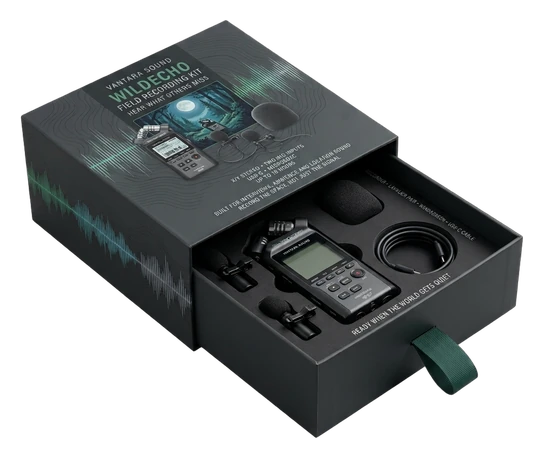
Turn each opening into a branded reveal that gives the product a deliberate entrance, strengthens its perceived quality, and keeps the package experience connected from first sight to discovery. Custom pull-tab reveal boxes help brands replace an ordinary access moment with a more considered sequence. The exterior can establish the product’s character, while the pull tab gives customers a clear point of interaction and the interior continues the story as the product appears. Coordinated structure, sizing, print and arrangement can make the pack feel intentional at retail, during a launch or gift handoff, and when an order is received. We build the box around the impression you need customers to take away: refined, playful, technical, collectible, gift-ready or confidently professional. The aim is not novelty for its own sake, but a reveal that suits the product, supports recognition and gives the customer a clearer reason to value the experience. That result is supported through custom proportions, paperboard, kraft, rigid or relevant corrugated construction, exterior and interior printing, purposeful finishes, and foam or board-based inserts. Artwork and dieline support help translate the concept into production-ready files, while digital proofing gives you a clear approval step before production. The structure, material, graphics and internal arrangement are planned together so the promise made on the outside continues when the tab is pulled.

Get Custom Quote
REVEAL FORMAT OPTIONS
Choose How the Reveal Supports the Product
The right pull-tab reveal box starts with the product, the way it will be received, and what should become visible first. A paperboard format may suit a lighter retail or launch pack, while a supported rigid construction can add greater physical presence for gifting or presentation. Kraft can create a more natural character, and relevant corrugated formats can carry the reveal into selected delivery, kit or promotional uses. Inserts, compartments, interior print and product spacing then shape how the contents appear and how easily customers understand the set. Choose the route that supports the actual product, channel and intended impression rather than adding structure for effect alone.

➜
Paperboard Reveal Box
Choose paperboard when the goal is a crisp, fully printed reveal with a lighter physical character. Custom sizing, color and internal graphics can keep the product, brand and opening cue working as one.
- Custom product dimensions
- Coordinated internal fit
- Full exterior and interior print
- Retail, gifting or handoff use
A practical route for launches, collections and branded products that need a clear reveal without the weight of a rigid format.
Customize Now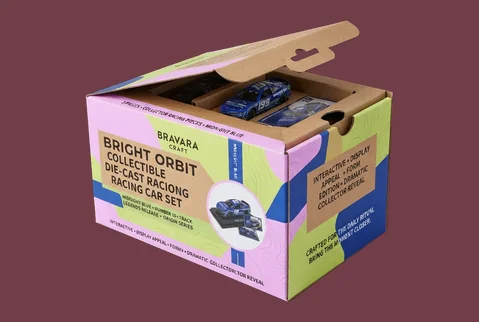
➜
Kraft Reveal Box
Use kraft to give the reveal a natural, craft-led or deliberately understated character. White ink, full-color printing and selected finishes can create contrast while preserving the material’s recognizable look.
- Product-led sizing
- Kraft or fitted inserts
- White or full-color print
- Natural brand and gift moments
This route helps the reveal feel authentic to brands that want texture and restraint to carry part of the message.
Customize Now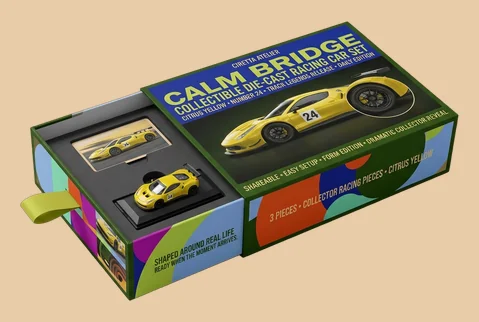
➜
Rigid Reveal Box
Select a supported rigid construction when the package should feel more substantial before the product appears. Custom wrapping, printing, finishes and inserts can give gift sets, launches and presentation kits greater physical presence.
- Custom rigid proportions
- Foam or board inserts
- Wrapped and printed surfaces
- Gift, launch or kit use
The stronger physical character can support a more deliberate handoff and a reveal suited to higher-consideration products.
Customize Now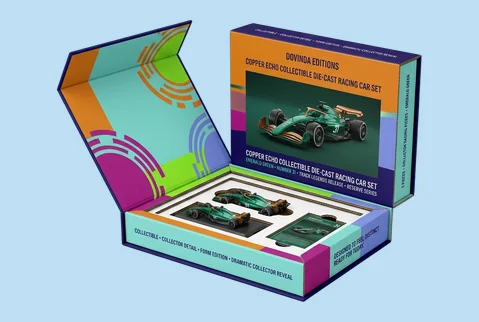
➜
Corrugated Presentation Reveal
Use supported corrugated construction for a reveal that also needs more structural presence in a presentation, promotional, kit or relevant mailer format. Printing can carry the brand through receipt and opening.
- Sized to product configuration
- Corrugated insert options
- Branded exterior and interior
- Presentation or delivery moments
This is a presentation-led route, not a commodity shipping-carton solution, and should be specified around the actual product and channel.
Customize Now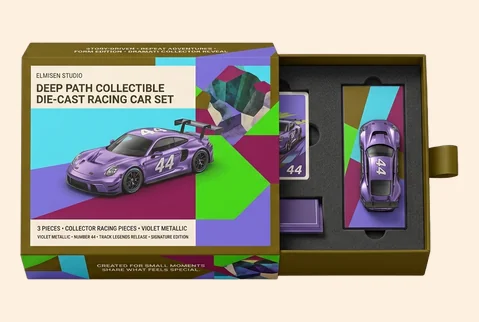
➜
Foam-Insert Reveal Box
Add a custom die-cut foam insert when the product or components need a defined place within the reveal. The arrangement can guide what customers notice first and how each item is lifted.
- Single or multi-part products
- Custom die-cut cavities
- Clean visual organization
- Guided reveal and removal
The insert helps turn loose contents into an intentional product introduction while supporting a more orderly opening experience.
Customize Now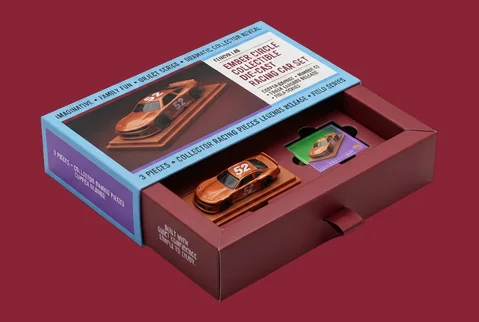
➜
Paperboard-Insert Reveal
Use paperboard, kraft, cardboard or corrugated inserts when the interior should organize products while remaining visually connected to the box. Printing and spacing can clarify variants, components or a set sequence.
- Custom pack arrangement
- Board-based insert fit
- Printed interior continuity
- Sampler, kit or set use
This route supports clear product discovery without making the insert feel separate from the branded package around it.
Customize Now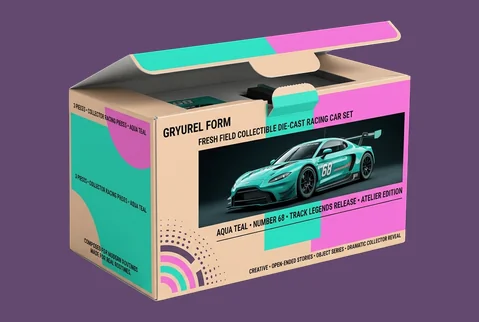
➜
Multi-Product Reveal Box
Plan a multi-product reveal when a collection, kit or sampler needs customers to understand how the items relate. Compartments, dividers and considered spacing can create order without flattening the sense of discovery.
- Multiple product positions
- Dividers or compartments
- Collection-wide visual language
- Kit, sampler or launch use
The result is a clearer introduction to the range and a more deliberate path from first view to product selection.
Customize Now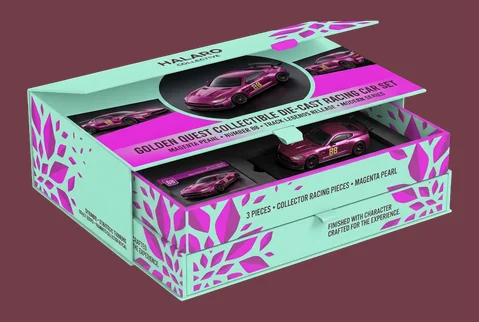
➜
Inside-Printed Reveal Box
Make the interior part of the reveal when the brand story should continue after the tab is pulled. Color, artwork or short messaging can connect the outside promise with the product’s first appearance.
- Product-specific interior layout
- Print across relevant surfaces
- Exterior-to-interior continuity
- Receiving and opening moments
This route keeps the package from feeling finished at the exterior and gives the reveal a stronger sense of completion.
Customize NowMATERIALS THAT SET THE TONE
Give the Reveal the Right Physical Character
The material determines how substantial, natural, crisp or gift-ready a pull-tab reveal box feels before the customer interacts with it. Paperboard can support clean print definition and a lighter branded format. Kraft can make the package feel more natural or craft-led, especially when white ink or controlled color contrast is part of the identity. Rigid greyboard can add greater physical presence for presentation boxes, gift sets and launch kits. Supported corrugated construction can extend the same brand character into relevant promotional, kit or mailer uses. Choose the material for the impression, product fit and channel it must support—not by board weight alone.
SBS Paperboard for Clear Brand Definition

SBS paperboard can support detailed artwork, controlled brand colors and a clean printed surface. It suits brands that want the product, campaign or collection to be understood quickly while keeping the reveal box relatively light in physical character. Use it when print definition, color consistency and coordinated exterior-to-interior graphics are central to the customer experience.

Kraft for Natural Contrast

Kraft can give the box a more natural, craft-led or deliberately understated identity. White ink can create strong definition against the kraft surface, while full-color printing and selected finishes can add emphasis without removing the material’s recognizable character. This route can help the reveal feel more closely connected to brands that rely on texture, restraint or natural visual cues.
Rigid Greyboard for Greater Presence

Supported rigid greyboard construction can give the reveal greater substance before the product is seen. Printed or wrapped surfaces, including available linen materials, can help create a more considered gift, presentation or product-launch format. Rigid construction is most valuable when its physical presence supports the intended quality level and the importance of the handoff—not simply because a heavier box is available.
Corrugated Material for Selected Presentation Uses

Corrugated material can support relevant promotional, presentation, kit and mailer-style reveal boxes where additional structure is useful. Exterior and interior printing can keep the receiving and opening moments connected to the parent brand. This material route should be planned for a specific branded product use. It is not intended to position the box as a large, commodity shipping carton.
BRAND STORY IN EVERY VIEW
Make Every Reveal Feel Clearly Yours
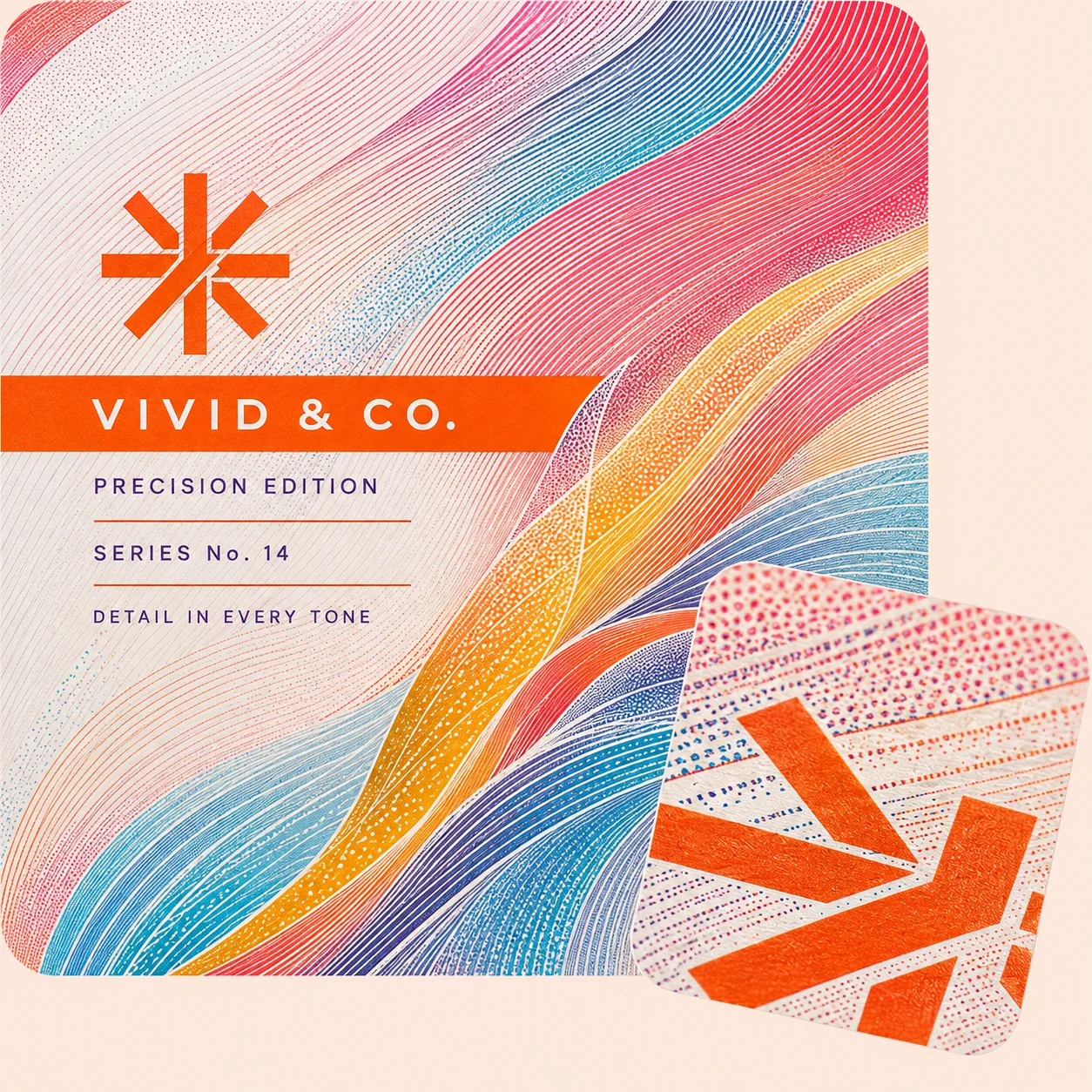
A pull-tab reveal works best when the printed design prepares the customer for what comes next. The exterior can establish the product, collection or campaign at first sight; the tab area can make the point of interaction easy to recognize; and the interior can continue the same visual language as the product appears. Full-color, CMYK, PMS and relevant metallic printing can help control product cues and brand consistency, while white ink can create clear contrast on kraft. Printing may extend across the front, back, top, bottom, outside and inside, allowing the reveal to feel like one connected brand moment rather than separate decorated panels.
- Make the point of interaction clear
- Build anticipation before the reveal
- Connect exterior and interior artwork
- Separate variants within one collection
- Give launches and editions distinct cues
- Stay recognizable across selected channels
SURFACE CUES WITH A PURPOSE
Direct Attention Before the Tab Is Pulled
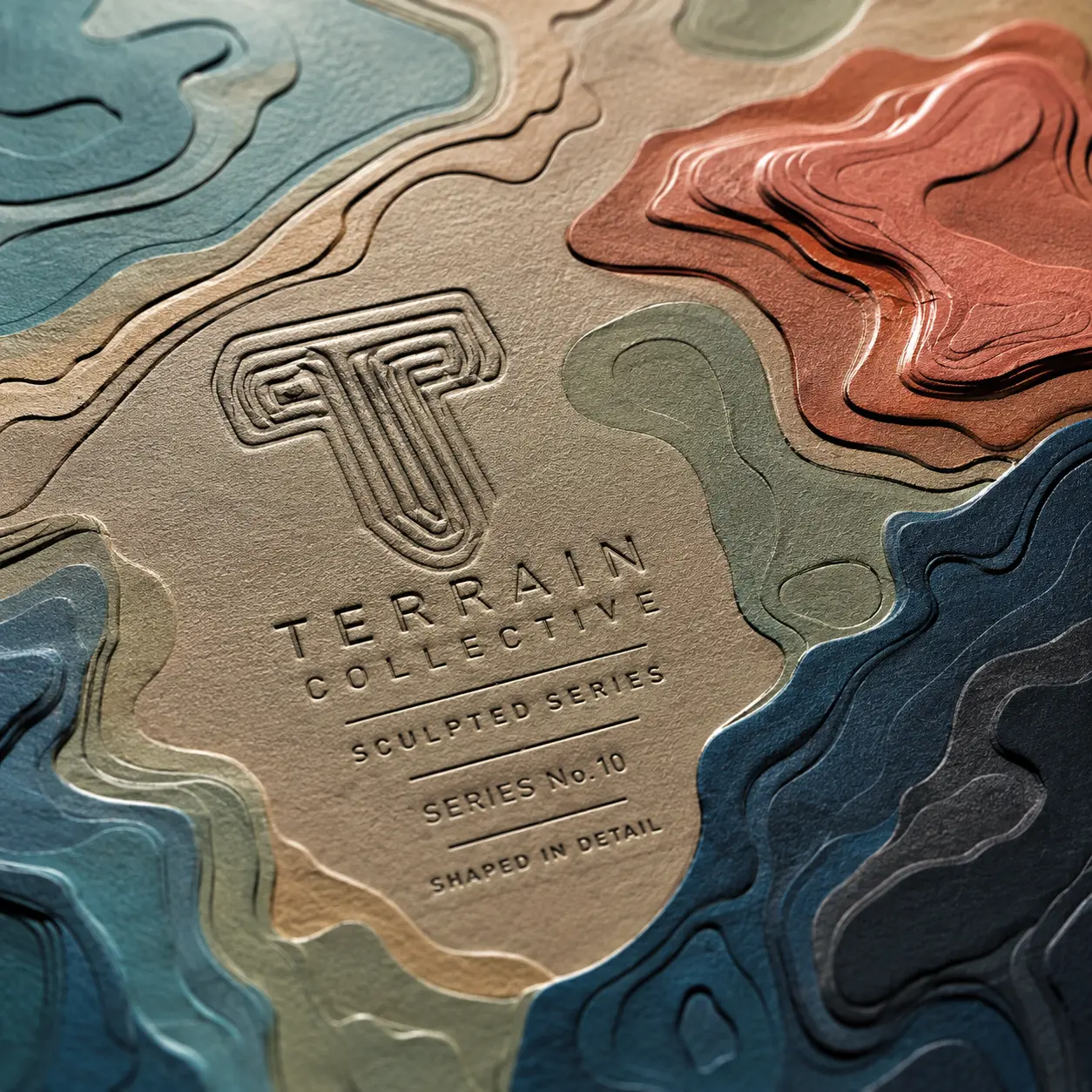
Finishes should clarify the package, not compete with the pull-tab reveal. A calm overall surface can establish the product’s quality level, while selective contrast can direct attention to the brand name, product cue or point of interaction. Matte, gloss, soft-touch, foil, spot UV, embossing, debossing and raised effects are useful only when they support the intended impression. The right combination can make the box feel refined, energetic, technical, gift-worthy or collectible without turning every surface into a separate visual demand.
-
 Set the Overall Character
Matte or soft-touch lamination can support a calmer, more considered surface. Gloss may suit brighter artwork or a brand identity that depends on stronger color and surface clarity. The decision should begin with how the whole package needs to feel in the customer’s hand, not with how many finishes can be added.
-
Lead the Eye to the Right Detail
Foil, spot UV, embossing, debossing or raised effects can give selected elements more visual or tactile importance. The brand mark, product name or pull-tab cue may receive emphasis while the remaining surfaces stay controlled. This creates a clearer order of attention and helps customers understand where the reveal experience begins.
-
Distinguish Launches and Special Editions
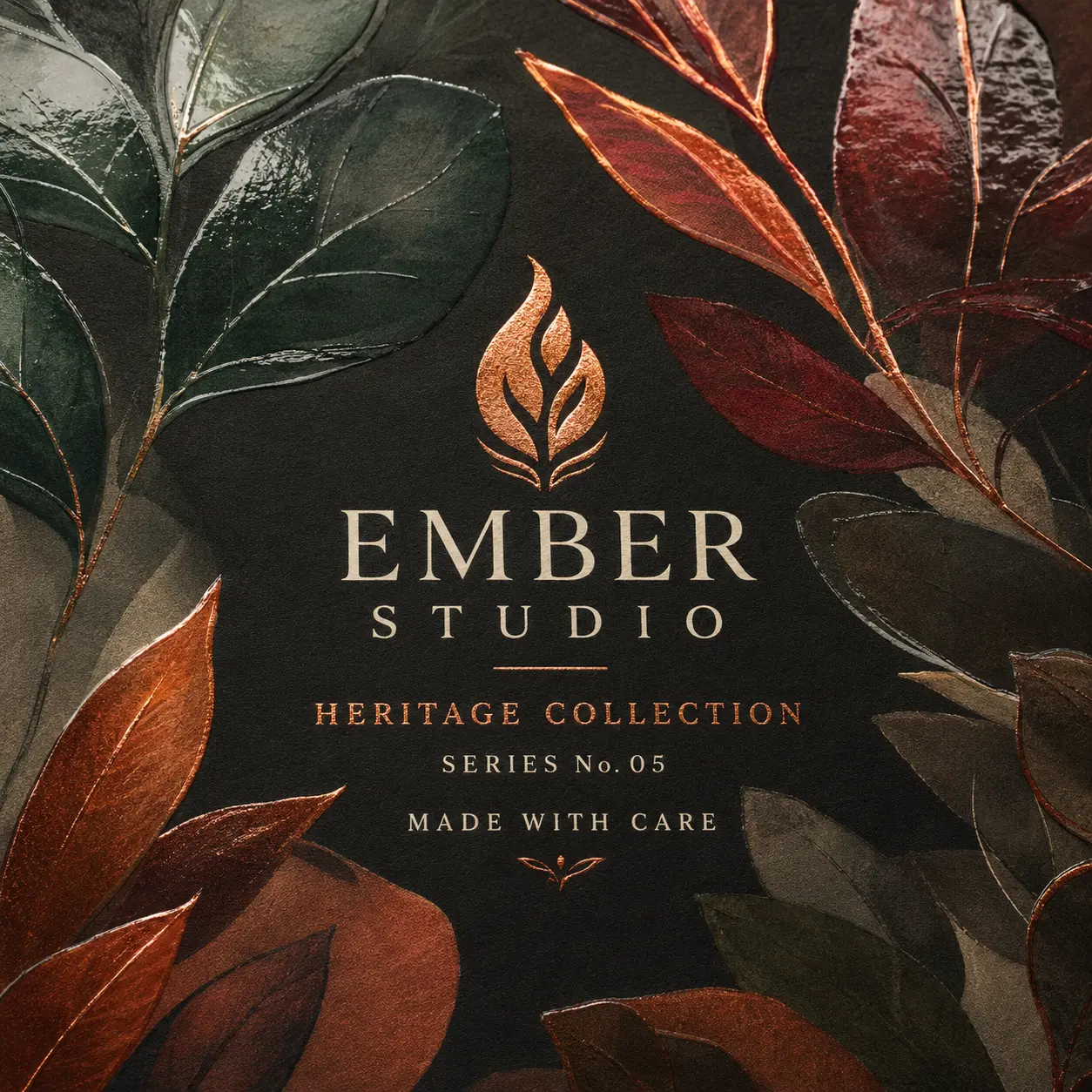
Gold, silver, rose-gold, colored or holographic foil, selective gloss, raised effects and other supported finish shades can help a campaign or special edition feel distinct from the core range. The strongest result keeps the edition visibly connected to the parent brand while giving the occasion a purposeful surface cue.


DESIGN THE MOMENT OF REVEAL
Make Opening Part of the Brand Experience
The pull tab creates an expectation that the product will be introduced with purpose. The interior should meet that expectation by controlling what appears first, keeping components in a clear arrangement and carrying relevant brand cues beyond the exterior. Foam or board-based inserts can give each item a defined place, while inside printing can connect the reveal to the product story, collection or campaign. The goal is not simply to hide and uncover the contents; it is to make discovery feel coherent from the first interaction through product selection or lift-out.
-
Signal Show Where the Experience Begins
Use a clear pull-tab position and relevant printed cue so the customer understands how to access the product. The interaction should feel integrated with the structure and graphics rather than added as an afterthought. The result is a more confident first action and a reveal that feels aligned with the intended brand character.
-
Arrange Give Every Product a Purposeful Place
Foam, paperboard, kraft, cardboard or corrugated inserts can organize one product, several components or a coordinated set. Dividers and compartments can help customers understand what belongs together while keeping individual items easy to distinguish. The arrangement should follow the product’s real dimensions, pack count and removal needs rather than an invented standard layout.
-
Reward Control the First Product View
Plan what the customer encounters when the box opens: a hero product, a complete set, a printed message or a lead component followed by supporting items. Relevant interior artwork can continue the mood while spacing and inserts shape the order of discovery. This gives the product a more deliberate introduction without relying on an unsupported promise of theatrical or repeatable unboxing.


EXPERT-GUIDED PULL-TAB PACKAGING
Pull-Tab Reveal Box Customization Made Easy & Fast — Built to Slide, Reveal & Present
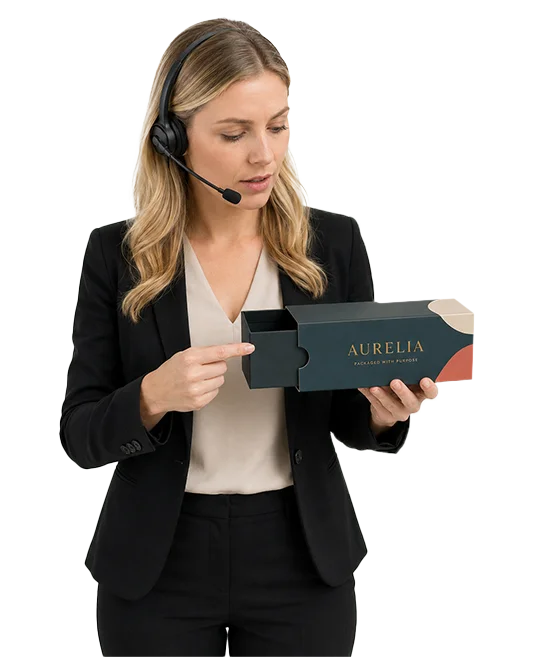
Our pull-tab reveal packaging experts, structural designers, print specialists, consultants, and project managers make custom pull-tab reveal box ordering easy and fast by bringing your product dimensions, item weight, reveal sequence, pull direction, tab style, sleeve or drawer tolerance, insert layout, artwork, finish direction, and brand presentation into one production-ready structure. We guide tray depth, pull-tab strength, ribbon or paper-tab placement, slide clearance, cavity sizing, product movement control, lid or sleeve overlap, stopper points, rigid-board or paperboard thickness, inside-and-outside print coverage, coating and finish compatibility, foil, embossing, spot UV mask setup, dieline alignment, bleed, safe zones, cost calculation, timeline planning, prepress preparation, and 3D proof review. The result is a custom pull-tab reveal box that opens smoothly, stages the product, carries your artwork cleanly, and moves to production with fewer fit, slide, insert, print, finish, or approval risks.
-
Fast
Reveal Specs-to-Quote Alignment
Experts align product size, item weight, pull direction, selected reveal style, sleeve or drawer structure, insert needs, artwork, finishes, cost, timeline, prepress setup, and 3D proof early — helping reduce quote delays and approval back-and-forth.
-
Exact
Slide, Tab & Insert Fit Review
We check tray depth, sleeve tolerance, drawer clearance, pull-tab placement, stopper points, cavity size, product clearance, insert height, and movement control so the reveal mechanism functions properly.
-
Premium
Artwork, Motion & Finish Check
Print specialists review lid or sleeve artwork, inside panels, pull-tab graphics, QR placement, dieline alignment, bleed, safe zones, foil, embossing, debossing, spot UV, coating compatibility, and finish-mask setup so the reveal box prints and finishes more cleanly.
Plan a Pull-Tab Reveal Box With Confidence
A successful pull-tab reveal box begins with the product and the customer moment, not with a generic structure. The decisions below help you define what the box should hold, what should appear first, how the printed surfaces should work together, and what must be approved before production. Use them to prepare a clearer brief, compare suitable material routes and reduce avoidable changes after the dieline and artwork are developed.
-
Plan the Product Fit Before the Reveal
Start with the product’s length, width and height, then add any inner wrapping, containers, accessories or protective pieces that will travel inside the box. For sets, record the number of items, their preferred orientation and whether each item needs its own position. Irregular shapes, tall components and mixed product heights should be identified early. The pull-tab concept, internal spacing and removal clearance can then be planned around the real contents rather than estimated from appearance alone. Exact dimensions should come from the approved product specification, not from a standard size assumption.
-
Decide What the Customer Should See First
Define the first reveal in practical terms. It may be the hero product, a complete set, a printed message, or one lead component followed by the rest. That choice affects the internal arrangement, insert design and the amount of visible space around the product. Foam inserts can create fitted cavities for specific products or components. Paperboard, kraft, cardboard and corrugated inserts, dividers or compartments can organize sets and support a more integrated visual treatment. Repeated opening should be discussed only when the selected construction genuinely supports it.
-
Match the Structure to the Sales Moment
Consider where the box will be compared, handled and opened. A lighter paperboard route may suit retail, product launches or handoff moments. Kraft can support a natural or craft-led identity. A supported rigid format can add physical presence for gifting, presentation kits or higher-consideration products. Corrugated construction is available for relevant presentation, promotional, kit and mailer formats where added structure is useful. It should not be positioned as a large commodity shipping-carton solution. The channel should guide the material and configuration rather than being added after the design is complete.
-
Build the Artwork From Outside to Inside
Map the exterior, tab area and interior as connected brand surfaces. Decide where the product name, brand mark, variant, campaign cue and opening prompt need to appear. Printing is available on the front, back, top, bottom, outside and inside, using digital, offset or flexographic routes as appropriate. CMYK, PMS or spot colors, full-color printing, white ink on kraft and metallic ink are supported. Free dieline or template support, artwork checking, resizing, bleed and safe-zone assistance are available. Accepted production files include AI, PDF, PSD and EPS.
-
Approve the Structure and Print Before Production
Every approved order can receive a digital proof, giving you a clear point to review artwork placement, content and print direction before production begins. A digital proof is not a physical prototype. For a qualifying bulk or wholesale project, a physical prototype may be available, and its cost may be adjusted into the resulting order where approved. Confirm the structure as well as the graphics: product fit, insert positions, opening direction, tab access and relevant internal print should all match the agreed specification. Printing should not be treated as approved until the required review is complete.
-
Plan Quantity, Timing and Distribution
Paperboard, cardstock, kraft and supported corrugated orders may start from 50 boxes. Supported rigid-box orders may start from 25. Relevant customization remains available at these starting quantities, subject to the approved structure and production specification. Per-unit pricing generally improves as quantity increases, with more visible differences often appearing around 500 units, but no fixed saving should be assumed. Production normally takes 4–6 business days after payment, final artwork approval and structure confirmation. Production-ready jobs are generally planned to print and ship within 7 business days. Shipping transit is separate, and complex multi-design orders may need a separately confirmed schedule. One order can also be distributed to multiple addresses where required. Bring the product measurements, quantity, preferred material character, channel, artwork status and reveal objective into the quote discussion. That information allows the structure, print plan, insert route and production schedule to be assessed together, giving you a more confident path from concept to approved packaging.

PULL-TAB BOX QUESTIONS
Answers Before You Design, Proof and Order
Yes. The structure can be planned around your product rather than forcing the product into a generic box. Provide the product’s length, width and height, along with any inner wrapping, accessories, pack count and preferred orientation. If the contents are irregular or arranged as a set, include those details too. The final size, insert and removal clearance should be confirmed through the approved structural specification rather than assumed from a standard dimension.
Yes. Printing can extend across the front, back, top, bottom, outside and inside, so the brand story can continue through the reveal. Full-color, CMYK, PMS or spot-color printing, metallic ink and white ink on kraft are supported. The most useful approach is to decide what the customer should understand before pulling the tab and what should continue once the product appears, then map the artwork to those moments.
Paperboard, kraft, supported rigid greyboard and relevant corrugated construction are available. Paperboard can support clean print definition and a lighter branded format. Kraft can create a natural or craft-led character. Rigid construction can add greater physical presence for gifting or presentation, while corrugated material can suit selected promotional, kit or mailer uses. The right choice depends on the product, intended impression, fit and channel. Round and tube box formats are not offered.
Yes. Foam inserts can be die-cut around specific products, components or shapes, while paperboard, kraft, cardboard and corrugated inserts can create divisions, compartments or a coordinated internal layout. The arrangement should be planned around what customers need to see first and how they will remove or compare the items. Exact cavity sizes, spacing and clearances must be confirmed from the approved product measurements and final structure.
Yes. A smaller brand can begin with a manageable quantity without being pushed toward generic stock packaging. Paperboard, cardstock, kraft and supported corrugated orders may start from 50 boxes, while supported rigid formats may start from 25. Relevant custom sizing, inside and outside printing, material, finishes and insert options remain available at these starting quantities, subject to the approved structure and production specification. This gives you room to prepare a launch, gift program or new product range around your own brand direction.
Yes. A digital proof is available for every approved order, giving you an approval step for artwork placement and print direction before production. Free dieline or template support, artwork checking, resizing, bleed and safe-zone assistance are also available. A physical prototype is different from a digital proof. It may be available for a qualifying bulk or wholesale project, and its cost may be adjusted into the resulting order where approved.
Production normally takes 4–6 business days after payment, final artwork approval and structure confirmation. Production-ready jobs are generally planned to print and ship within 7 business days. Shipping transit time is separate. A complex order with many designs or production setups may need a separately confirmed schedule, so the timing should be agreed before production begins rather than treated as guaranteed delivery within seven days.
Yes. The same order can be distributed to multiple addresses, which can support launches, gifting programs, agency projects or regional handoffs. Share the destination count and distribution needs during quoting so the production and shipping plan can be prepared around the actual order. Shipping transit remains separate from production time, and a complex multi-design or multi-destination program may require a separately confirmed schedule.
CUSTOMER SUCCESS STORIES
Hear What Our Customers Say

As a small business, finding premium finishes in lower quantities was always difficult. Global Custom Packaging gave us the freedom to customize our boxes and create the distinctive, polished look we wanted without committing to a large order. We still work with them today and have expanded into multiple product variants, each with the same impressive presentation.
Jordan Blake
We sell online and in stores while regularly promoting at major events, running influencer campaigns, and launching seasonal collections. Global Custom Packaging has become our dependable source for everything—from premium mailer and product boxes to sturdy influencer kits, rigid packaging, kraft boxes, and limited-edition Christmas designs. Whatever structure, material, or branded look we need, we no longer have to go anywhere else.
Avery Quinn

I never worry about how my packaging will look or whether my artwork contains typos, incorrect bleed areas, or other design errors. Their 3D previews and helpful design support give me confidence before printing. If the team notices a problem, they contact me, correct it quickly, and never charge extra for the assistance.
Cameron Reese
I’m really impressed with Global Custom Packaging’s precise, richly saturated printing and the accuracy of their die-cutting. The boxes were produced in exactly the right size, with a clean, well-formed structure and no fitting or construction issues. The finished packaging looked polished, consistent, and ready to represent our products professionally.
Morgan Taylor
I received my quote within a few hours, and once we agreed on the price, the designer responded quickly, completed the required changes, and prepared my artwork for printing. The 3D proof arrived promptly, allowing me to review everything and place my order that same day. My packaging was delivered on time, exactly as Global Custom Packaging had committed.
Harper Lane