


-

Low Starting Quantity
-

Digital Proof Included
-

Design Support Available
-
In-House Production
Custom paint brush boxes give each brush or coordinated set a clear professional identity, a product-appropriate fit, and an opening experience that makes selection feel deliberate rather than generic. Paint brushes compete through small differences in shape, width, bristle type, handle style, and intended use, yet stock packaging can make those differences hard to see. Custom sizing, structured panels, controlled color, and clear labeling turn the box into a working brand surface. The result is packaging that helps a brush look considered on a retail shelf, read clearly in product photography, or arrive as part of an organized artist, decorator, or gift set. Customers understand the range faster while the brand stays visible from first view to opening. We build custom paint brush packaging around the product you actually sell, whether that means one brush, a coordinated range, a multi-piece kit, or a presentation set. The service focuses on fit, information hierarchy, visual consistency, and a reveal that supports the intended quality. You receive practical guidance on structure, material, printing, finishes, inserts, and production choices rather than a generic box with artwork added. That promise is supported through custom dielines, size planning, paperboard, kraft, corrugated, and rigid options, full-color or spot-color printing, white ink on kraft, inside printing, and relevant surface finishes. Inserts and dividers can organize multiple brushes or related tools, while digital proofing lets you review the artwork before production. Starting quantities may be as low as 50 boxes for supported paperboard, kraft, and corrugated formats, or 25 for supported rigid formats, subject to the approved structure and specification.

Get Custom Quote
BRUSH BOX FORMATS
Choose a Box Structure That Supports the Brush
The right paint brush box depends on more than brush length. A single retail brush needs quick recognition and a clean fit, while a coordinated set may need guided arrangement, stronger physical presence, or a more deliberate reveal. E-commerce kits may require a branded corrugated route, and counter ranges may need packaging that helps several variants read as one family. We shape the structure around the brush profile, pack count, display method, information needs, and opening moment so the box supports both practical handling and the way customers are meant to understand the product.

➜
Straight Tuck Brush Boxes
A clean folding-carton route for individual brushes or slim coordinated packs. Broad print panels help customers recognize brush type, width, use, and brand while the compact structure supports retail display or direct handoff.
- Single-brush or slim-set format
- Custom fit around handle length
- Full-panel brand and use cues
- Retail shelf or counter ready
Choose this route when clear range navigation and efficient packing matter more than a staged reveal.
Customize Now
➜
Reverse Tuck Brush Boxes
Opposing tuck ends can suit long, narrow brush packs while keeping assembly practical. The structure gives artwork room to distinguish bristle profiles, application categories, or collection levels across a connected product range.
- Long narrow brush profiles
- Secure opposing tuck closures
- Consistent collection-wide graphics
- Retail and catalog fulfillment
A useful choice for brands managing several brush sizes under one recognizable visual system.
Customize Now
➜
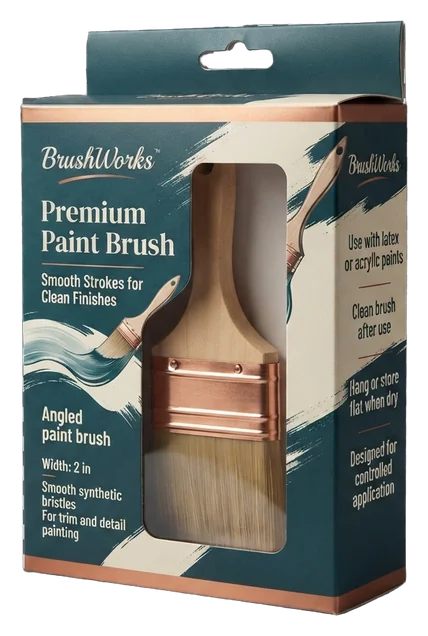
Window Brush Boxes
A shaped window can let the handle, ferrule, or selected brush detail participate in the sale. Printed framing around the opening keeps the product view connected to the brand instead of looking like an exposed stock item.
- Controlled product visibility
- Die-cut window in custom shape
- Printed frame around the view
- Useful for retail comparison
Use visibility selectively when the brush finish or construction helps customers understand the intended quality.
Customize Now
➜
Sleeve-and-Tray Brush Sets
A sliding sleeve and tray create a deliberate reveal for coordinated brush sets. The outer sleeve introduces the collection, while the tray can organize sizes or brush roles in the order customers are meant to discover them.
- Multi-brush set configuration
- Tray or insert-based arrangement
- Outer-and-inner print continuity
- Guided opening for gift sets
This format turns a grouped set into a clear sequence rather than a loose assortment.
Customize Now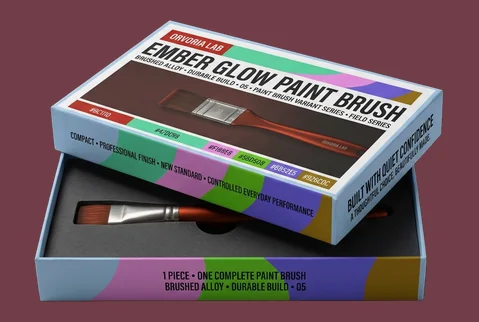
➜
Two-Piece Presentation Boxes
A separate lid and base give artist sets, decorator kits, or promotional brush collections greater physical presence. The structure supports broad branding surfaces and a complete first view of the arranged contents when opened.
- Curated set or kit format
- Lid-and-base opening structure
- Large branding and story panels
- Suitable for gifting or PR
Choose it when the box should communicate considered selection before the first brush is lifted.
Customize Now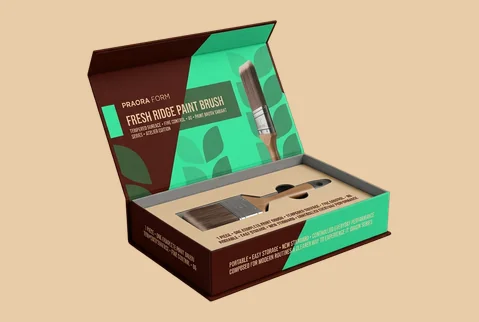
➜
Rigid Brush Set Boxes
Rigid construction can give professional, collector, or gifting ranges a more substantial hand feel. Foam, paperboard, or corrugated inserts may hold brushes and related tools in a controlled arrangement suited to the set.
- Professional multi-piece sets
- Foam or board insert fit
- Exterior and interior customization
- Structured gift-ready reveal
Use rigid packaging when lasting box presence and a carefully arranged opening support the offer.
Customize Now
➜
Mailer Brush Kits
A branded corrugated mailer can carry brush kits, starter collections, or creator packages through delivery without losing the identity established online. Interior print and fitted components can continue the story after arrival.
- E-commerce kit configuration
- Corrugated protective structure
- Inside-and-outside branded surfaces
- Delivery opening with organization
A relevant route for direct-to-customer sets that must arrive recognizable, ordered, and ready to explore.
Customize Now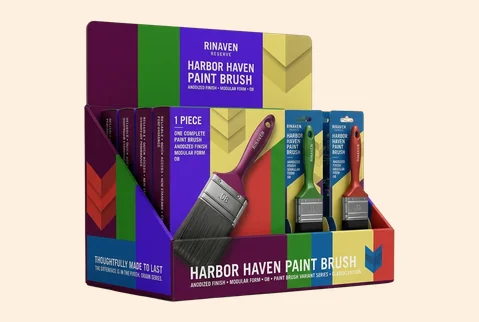
➜
Counter Display Brush Packs
A display-ready structure can group individual brush packs or small sets where customers compare options at close range. The header, front face, and pack graphics can work together to simplify selection and reinforce the range.
- Grouped retail pack display
- Integrated display and carton fit
- Shared range-level brand cues
- Counter or shelf comparison
This approach helps multiple variants read as one purposeful family at the point of choice.
Customize NowMATERIAL-BUILT CHARACTER
Choose the Feel Behind a Professional Brush Range
Material decides whether a paint brush box feels crisp and commercial, natural and workshop-led, delivery-ready, or suitable for a considered professional set. The choice should follow the brush range, selling channel, pack weight, and the quality customers are expected to infer when they handle the box. Smooth paperboard can give technical labels and color systems cleaner definition. Kraft can support a more grounded maker identity. Corrugated board can carry branded kits through relevant delivery formats, while rigid greyboard can give curated sets greater structure and presence. We help match the board to the intended product character rather than choosing by thickness alone.
Smooth Paperboard for Clear Retail Definition

SBS and other supported paperboard routes give detailed artwork, fine type, color coding, and product diagrams a clean surface. That makes them useful when customers need to compare brush width, shape, bristle type, or application at a glance. The physical result is a neat folding carton that supports an orderly, professional range without adding unnecessary bulk.

Kraft for a Maker-Led Character

Kraft can give artisan, workshop, craft, or natural-material brush ranges a more direct and tactile identity. White ink, dark linework, or controlled color can create strong contrast while keeping the board’s character visible. It is most effective when the brand wants the material itself to participate in the story rather than imitate a glossy retail look.
Corrugated Board for Branded Brush Kits

Supported corrugated formats suit brush kits, creator mailers, sample packs, and promotional sets that need more structure during delivery or handoff. Exterior and interior printing can keep the package recognizable from arrival through opening. The board should be selected around the set configuration and destination, not positioned as a commodity shipping carton.
Rigid Greyboard for Curated Sets

Rigid greyboard can give professional sets, gift collections, and presentation kits a more substantial feel in the hand. Wrapped surfaces, magnetic or two-piece structures, and fitted inserts can turn multiple brushes into a composed set. This route is useful when the box is expected to remain part of the product experience after the first opening.
BRUSH RANGE RECOGNITION
Make Every Brush Type Clear Within One Brand System
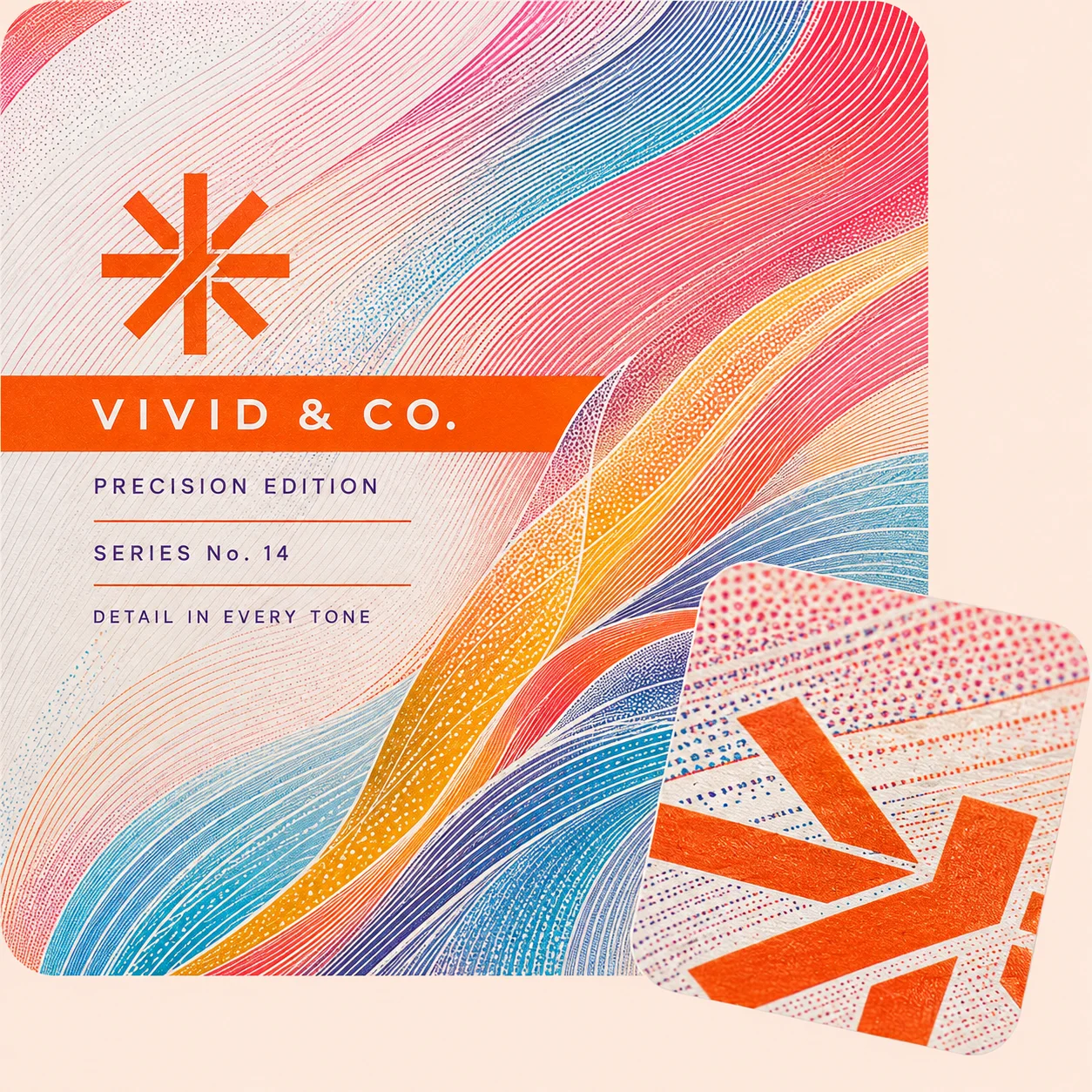
Paint brush packaging has to explain small but meaningful differences before the customer handles the tool. Custom printing can make brush shape, size, bristle character, application, and collection level easy to recognize while keeping the parent brand consistent across the range. Use color systems for categories, diagrams for intended strokes or surfaces, and clear information panels for care, contents, or barcodes. Full-color artwork, PMS colors, metallic ink, white ink on kraft, and printing across exterior or relevant interior surfaces provide the production freedom. The useful result is a range that reads clearly in retail, photographs consistently online, and remains recognizable when a set is opened.
- Give each brush type a clear role
- Keep size and shape easy to compare
- Connect every variant to one parent brand
- Use side panels for practical selection cues
- Continue collection graphics inside set boxes
- Build editions for artists, trades, or gifts
SURFACES WITH PURPOSE
Use Surface Details to Control Quality and Attention
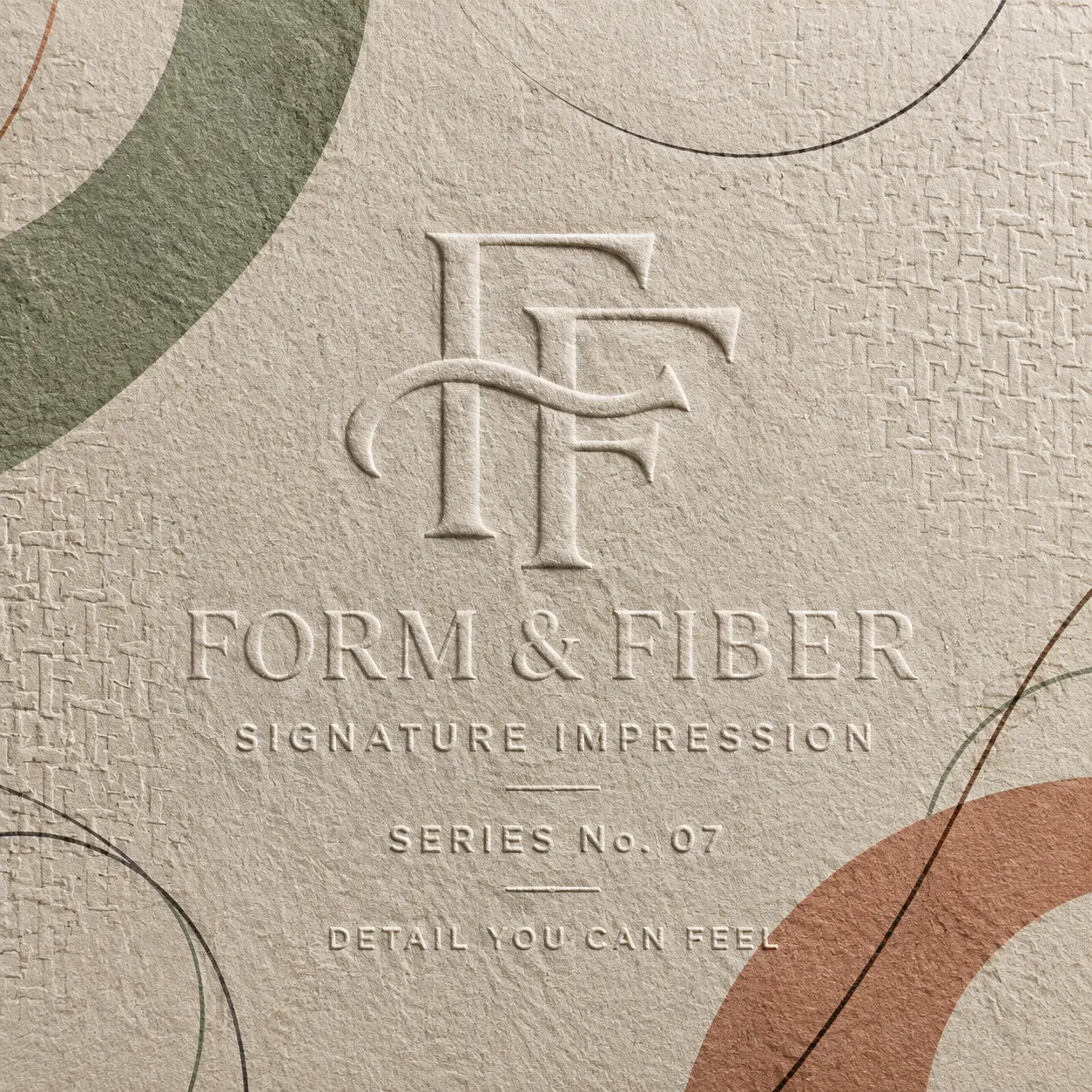
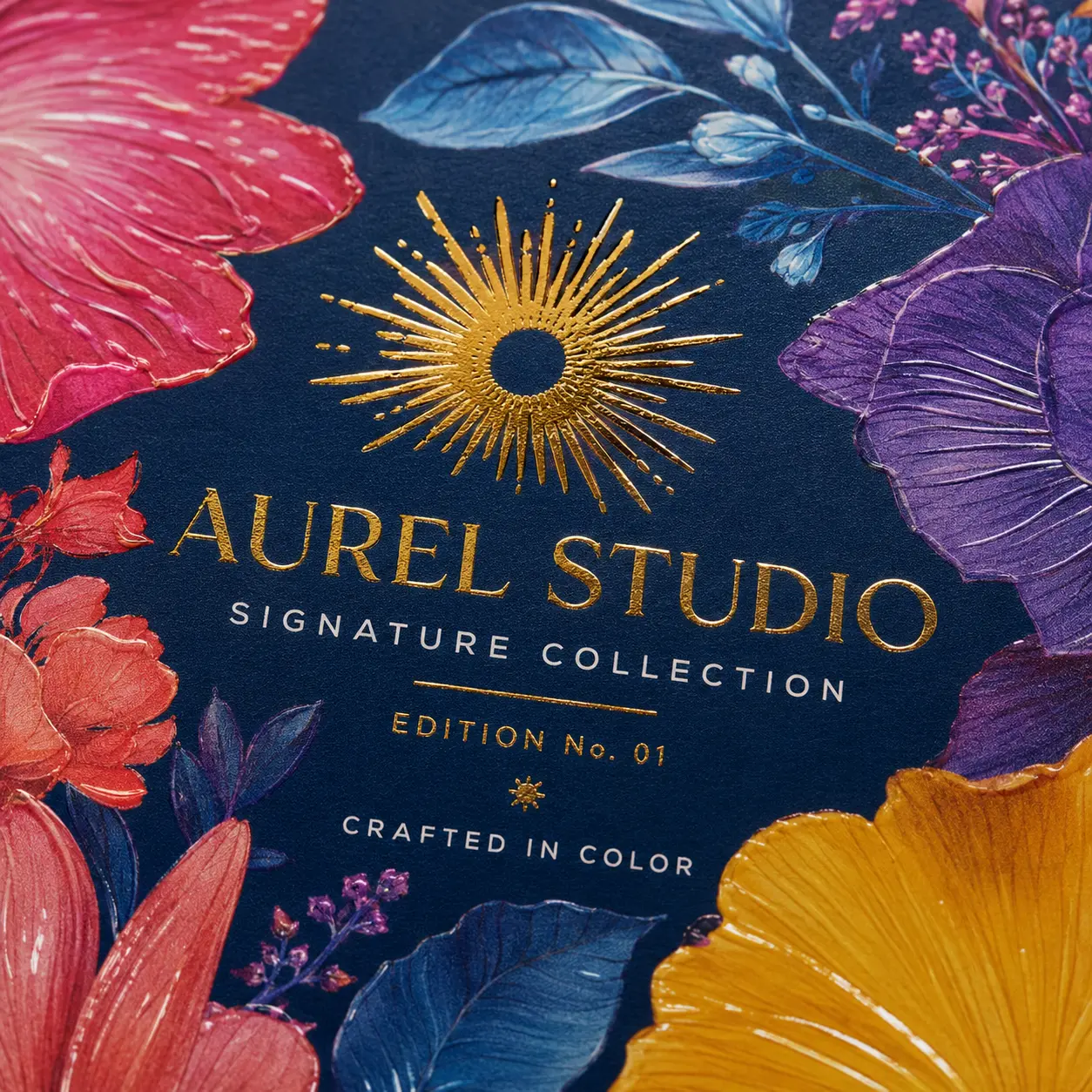
A finish should help customers read the paint brush offer, not distract them with decoration. The most useful finish plan starts by deciding what should be noticed first: the maker’s name, the brush category, a professional-grade cue, or the fact that the set is intended for gifting. Matte, gloss, soft-touch, foil, embossing, debossing, spot UV, and raised effects can change both visual emphasis and hand feel. We use them selectively so the surface communicates the intended standard, supports fast product recognition, and gives special sets a reason to feel distinct without breaking the range’s visual consistency.
-
 Set the Right Working Character
Matte or soft-touch treatment can give artist, studio, or professional brush packaging a controlled, considered feel. Gloss can support brighter craft, hobby, or promotional ranges where energetic color and clean surface clarity are more appropriate. The choice should reinforce the customer’s expected use of the brush rather than follow a generic luxury formula.
-
Direct Attention to the Useful Cue
Spot UV, foil, embossing, debossing, or a raised effect can give selected elements greater visual or tactile weight. That element might be the brand mark, brush series, size, or professional-grade designation. Concentrating the effect on one purposeful cue makes the pack easier to read and prevents the finish from competing with essential product information.
-
Give Sets and Editions a Distinct Role
Gift sets, artist collaborations, launch collections, and trade kits can use selective foil, surface contrast, or textured details to signal that they sit apart from the core range. Shared typography, color logic, and brand placement should remain consistent, allowing the edition to feel special while still being clearly connected to the same maker.


GUIDED BRUSH DISCOVERY
Turn Brush Set Opening Into Guided Product Discovery
The opening matters most when paint brushes are sold as a set, kit, gift, or coordinated working collection. A strong exterior can create the right expectation, but a loose interior can make the contents feel unrelated or difficult to understand. Inside printing can continue the collection identity, while inserts, dividers, and considered spacing can show where each brush belongs. The sequence should help customers recognize brush roles, compare sizes, and lift out the right tool without disturbing the whole set. The outcome is an organized introduction that supports the reason the brushes were grouped together in the first place.
-
Keep the Range Recognizable Inside
Carry relevant colors, linework, brush-category cues, or short guidance onto the inside surfaces. This keeps the parent brand present when the lid lifts or the tray slides out, preventing the experience from becoming visually generic at the moment the customer first meets the full set.
-
Make Every Brush Easy to Place
Use fitted foam, paperboard, or corrugated inserts and dividers to give each brush or accessory a clear position. The arrangement can separate shapes, widths, or uses while helping customers understand how the tools work together as a collection rather than reading them as loose pieces.
-
Shape a Useful First Reveal
Control what appears first: the full range, a hero brush, a usage guide, or a layer of coordinated tools. A clear lift-out path and sensible spacing make selection easier and preserve the composed look through gifting, demonstration, photography, or repeated storage where the chosen structure genuinely supports it.


EXPERT-GUIDED BRUSH PACKAGING
Paint Brush Box Customization Made Easy & Fast — Built to Hold, Protect & Display
Our paint brush packaging experts, structural designers, print specialists, consultants, and project managers make custom paint brush box ordering easy and fast by bringing your brush length, handle shape, ferrule width, bristle type, brush count, set layout, selected box style, artwork, and labeling system into one production-ready structure. We guide bristle clearance, tip protection, handle spacing, ferrule separation, insert cavity tolerance, window placement, hanger or shelf display format, base and side-wall strength, stock thickness, coating and finish compatibility, brush-size, bristle-material, surface-use, barcode, QR, instruction, and care-panel spacing, dieline alignment, cost calculation, timeline planning, prepress setup, and 3D proof review. The result is a custom paint brush box that keeps brushes organized, supports better handling, presents bristles cleanly, and moves to production with fewer fit, structure, print, or approval risks.

-
Fast
Specs-to-Quote Alignment
Experts align brush size, set count, selected structure, insert layout, hanger or window needs, artwork, labeling, stock, cost, timeline, prepress setup, and 3D proof early—helping reduce quote delays and approval back-and-forth.
-
Exact
Brush Length & Bristle-Fit Review
We check handle length, ferrule width, bristle shape, brush thickness, set arrangement, cavity spacing, divider height, tip clearance, and closure behavior so each paint brush fits without bending or crowding the bristles.
-
Retail
Display, Window & Label Check
Structural and print specialists review window placement, hanger-tab strength, brush visibility, size panels, surface-use icons, barcode spacing, care instructions, dieline alignment, and finish compatibility so the box supports clearer shelf presentation and easier approval.
Plan a Paint Brush Box That Is Ready to Produce
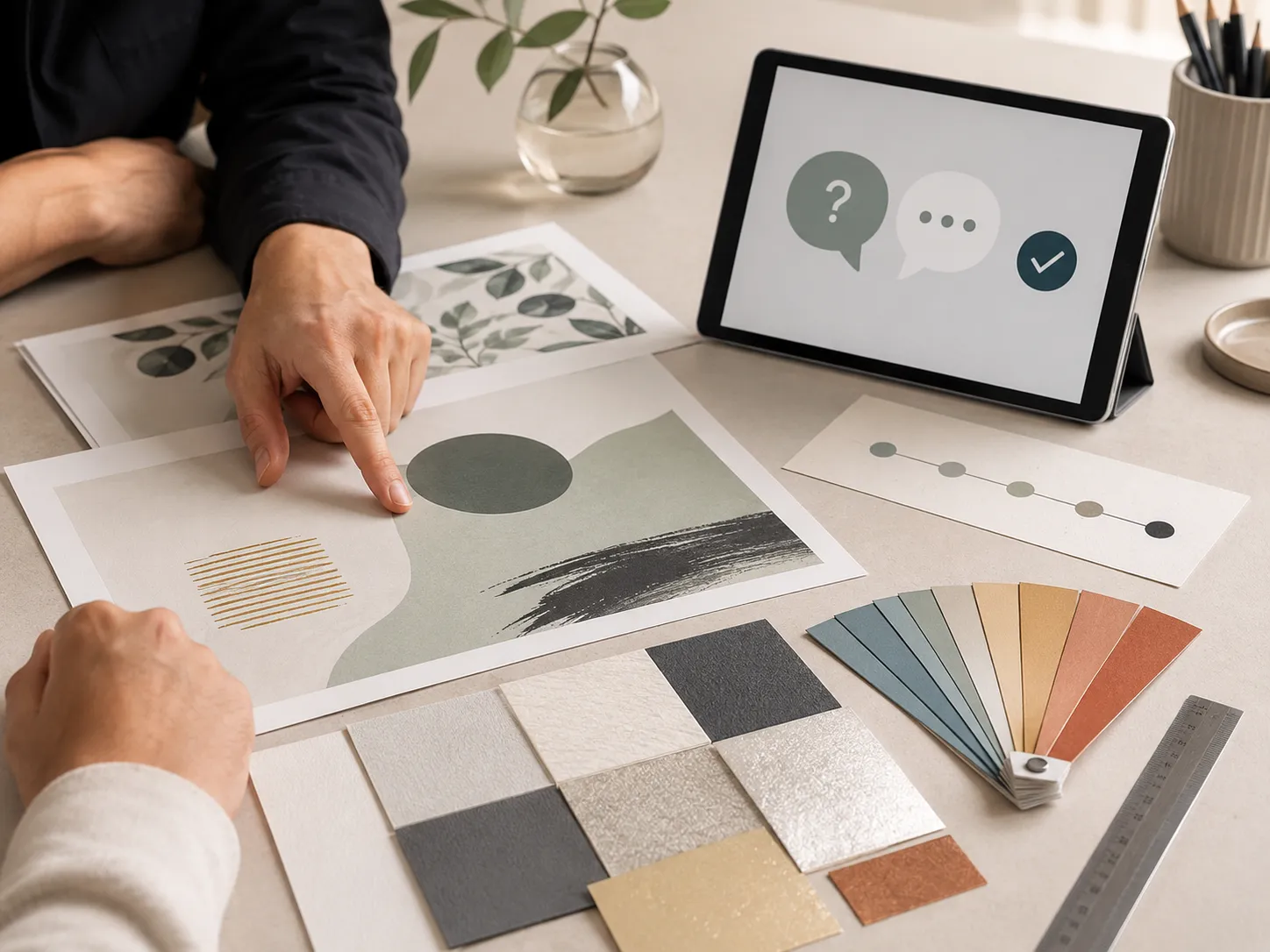
A successful paint brush box begins with decisions that connect the tool, the selling channel, the artwork, and the production plan. Our role is to turn those decisions into a workable specification before printing starts. The following steps help you prepare accurate dimensions, choose a structure that supports the intended customer moment, organize the information customers need, and approve the job with fewer late changes.
-
Start With the Brush, Not a Standard Carton
Provide the brush length, widest handle point, ferrule width, bristle profile, and overall depth. For a set, also provide the number of brushes, their intended order, any related tools, and whether each piece needs its own position. Include sleeves, guards, wraps, or inner packs that will remain on the product. We then plan the internal space, opening clearance, and insert arrangement around the actual packed configuration. Exact dimensions should come from the approved product and structural review rather than a guessed online size.
-
Choose the Structure by Customer Encounter
A single brush displayed in-store may need a compact folding carton, strong front-panel recognition, and a hang or counter-display route where relevant. A coordinated retail set may benefit from a sleeve and tray or two-piece structure. A direct-to-customer kit may use a branded corrugated mailer, while a professional or gift collection may justify a rigid box with a fitted interior. Select the route by the main encounter, then account for supporting moments such as product photography, handoff, or delivery.
-
Build a Clear Information System Across the Panels
Decide what the customer must understand first and assign each item a place. The front may carry the brand, brush series, and strongest selection cue. Side or back panels can explain brush shape, width, bristle type, recommended application, set contents, care guidance, or barcode information. Color coding can help customers navigate variants, but it should remain consistent across the full range. Inside messaging is most useful when it continues set guidance or brand context rather than repeating the front panel.
-
Use the Dieline and Proof to Confirm the Job
Artwork and dieline support are available for approved orders, including resizing, bleed and safe-zone assistance, and artwork checking. Production files may be supplied in AI, PDF, PSD, or EPS format. We place the design on the confirmed dieline so panels, folds, windows, and closure areas work together. A digital proof is available for every approved order and should be checked for text, color references, panel orientation, variant names, and content accuracy. A digital proof is not a physical prototype, and printing begins only after the required approvals.
-
Plan Quantity, Price, and Production Together
Supported paperboard, cardstock, kraft, and corrugated paint brush boxes may start from 50 units. Supported rigid formats may start from 25. Relevant customization can remain available at these starting quantities, subject to the chosen structure and production specification. Per-unit pricing generally improves as quantity increases, with more visible differences often appearing around 500 units. The exact quote depends on size, material, printing, finishes, inserts, and the number of designs. Production normally takes 4–6 business days after payment, final artwork approval and structure confirmation. Production-ready jobs are generally planned to print and ship within 7 business days. Shipping transit time is separate, while complex multi-design orders may require a separately confirmed schedule. A physical prototype may be available for a qualifying bulk or wholesale project, and its cost may be adjusted into the resulting order where approved. Bring the packed brush details, desired quantity, artwork status, selling channel, and preferred opening style to the quote stage. That gives our team enough context to recommend a structure and proof plan built around the real product instead of forcing the job into a generic template.

PAINT BRUSH BOX QUESTIONS
Answers Before You Size, Print, and Order
Yes. A small paint brush business can start with packaging built around its own brush dimensions, visual identity, and selling plan without committing to a large first run. Supported paperboard, cardstock, kraft, and corrugated formats may start from 50 boxes, while supported rigid formats may start from 25. Relevant custom sizing, exterior or interior printing, finishes, windows, and inserts can remain available at these quantities where they suit the approved structure and production specification.
Yes. The box can be planned around one brush, several brush sizes, or a coordinated kit with related tools. We use the packed length, handle width, ferrule and bristle profile, overall depth, pack count, protective wraps, and intended arrangement to develop the fit. For sets, also show the order in which the brushes should appear and how customers should lift them out. Exact box dimensions are confirmed through the approved structural process rather than guessed from the product name alone.
Use a consistent information system that changes only where the product changes. The parent brand, typography, and main layout can stay connected across the range, while color coding, diagrams, brush names, size cues, or application labels distinguish each variant. Printing can extend across the front, sides, back, top, bottom, and relevant inside surfaces. Our team can help place these cues on the dieline so customers can compare options without making the range look fragmented.
Yes. A die-cut window can reveal the handle, ferrule, bristles, or another useful detail while printed artwork frames the view and explains what the customer is seeing. The window shape and placement should follow the product position, panel strength, and retail purpose. It is most useful when the visible brush construction supports selection or quality perception. Window patching is available where the approved design requires it, with the final specification confirmed during structural review.
Yes. For brush sets, artist kits, gift collections, or creator packages, the inside can be planned as a guided product introduction rather than an empty container. Foam, paperboard, corrugated, or cardboard inserts and dividers can give individual brushes and accessories defined positions. Inside printing can continue collection colors, short guidance, or brand cues. The structure should also provide practical finger access and removal clearance so the reveal looks composed without making the tools difficult to lift.
The best material depends on the impression and handling requirement, and guidance is available before you approve the structure. Smooth paperboard is useful for crisp retail graphics and detailed comparison information. Kraft can support a workshop-led or maker-focused identity. Supported corrugated formats suit branded kits and relevant delivery presentations, while rigid greyboard can give professional or gift sets greater physical presence. We recommend the board around the packed product, channel, artwork, and intended hand feel rather than treating thickness as the only decision.
You can receive dieline and artwork support before the job moves into production. We can help with templates, artwork checking, resizing, bleed, safe zones, and placement across panels; accepted production files include AI, PDF, PSD, and EPS. Every approved order includes a digital proof for review. Check wording, variant names, panel orientation, barcodes, and color references carefully before approval. A physical prototype may be available for a qualifying bulk or wholesale project, with any cost adjustment confirmed for that order.
Production normally takes 4–6 business days after payment, final artwork approval, and structure confirmation. Production-ready jobs are generally planned to print and ship within 7 business days. Shipping transit time is separate. Orders with many designs, repeated short runs, complex inserts, or other setup-heavy requirements may need a separately confirmed schedule. We review these conditions before production so the quoted timing reflects the actual paint brush packaging program rather than an unsupported delivery promise.
CUSTOMER SUCCESS STORIES
Hear What Our Customers Say

As a small business, finding premium finishes in lower quantities was always difficult. Global Custom Packaging gave us the freedom to customize our boxes and create the distinctive, polished look we wanted without committing to a large order. We still work with them today and have expanded into multiple product variants, each with the same impressive presentation.
Jordan Blake
We sell online and in stores while regularly promoting at major events, running influencer campaigns, and launching seasonal collections. Thunder Packaging has become our dependable source for everything—from premium mailer and product boxes to sturdy influencer kits, rigid packaging, kraft boxes, and limited-edition Christmas designs. Whatever structure, material, or branded look we need, we no longer have to go anywhere else.
Avery Quinn

I never worry about how my packaging will look or whether my artwork contains typos, incorrect bleed areas, or other design errors. Their 3D previews and helpful design support give me confidence before printing. If the team notices a problem, they contact me, correct it quickly, and never charge extra for the assistance.
Cameron Reese
I’m really impressed with Global Custom Packaging’s precise, richly saturated printing and the accuracy of their die-cutting. The boxes were produced in exactly the right size, with a clean, well-formed structure and no fitting or construction issues. The finished packaging looked polished, consistent, and ready to represent our products professionally.
Morgan Taylor
I received my quote within a few hours, and once we agreed on the price, the designer responded quickly, completed the required changes, and prepared my artwork for printing. The 3D proof arrived promptly, allowing me to review everything and place my order that same day. My packaging was delivered on time, exactly as Global Custom Packaging had committed.
Harper Lane