

-

Low Starting Quantity
-

Digital Proof Included
-

Design Support Available
-
In-House Production
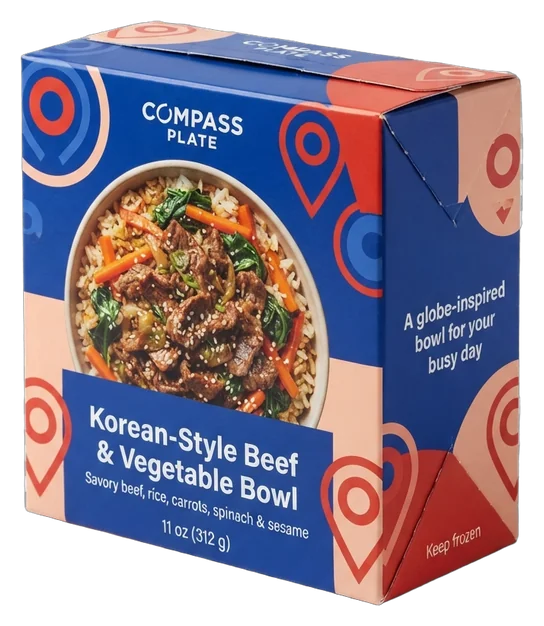
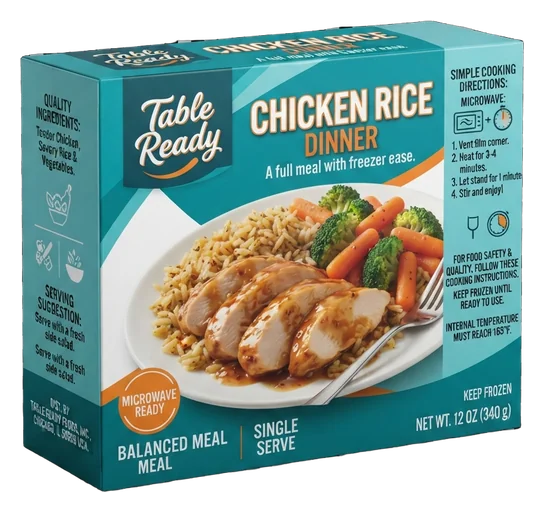
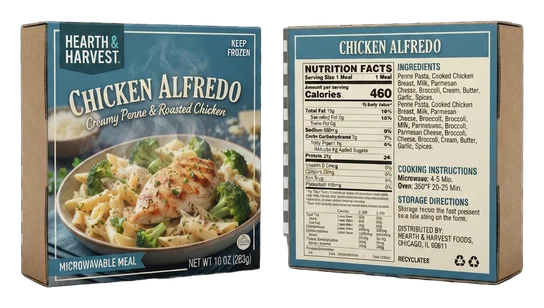
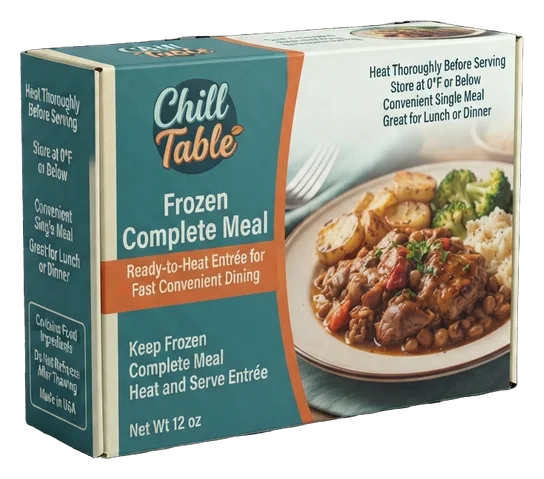
Custom frozen meal boxes turn each recipe, range and pack into a clear, recognizable choice that supports stronger brand confidence at the shelf, handoff or opening. Frozen meals often compete in a fast decision window, where customers need to understand the meal, the brand and the intended quality quickly. Custom sizing, coordinated artwork and purposeful structure can turn a plain outer carton into a clear product signal. The result is a box that helps meal varieties feel connected, gives key information a more deliberate place and carries the same brand character across retail, prepared-meal programs, gifting or relevant delivery presentation. We build custom frozen meal boxes around the result you need customers to notice: a more confident product identity, a better-organized range and an opening experience that feels considered rather than generic. Your box can be shaped around a single meal, a coordinated multipack or a selected presentation format. That promise is supported through structure planning, paperboard, kraft and corrugated options, full-color or spot-color printing, outside and inside artwork, finish choices, windows, inserts and dividers. Free dieline support, artwork checking and a digital proof help you prepare the job before production. Starting quantities are available from 50 boxes for supported paperboard, kraft and corrugated formats, with the final specification confirmed around your meal pack, artwork and chosen structure.

Get Custom Quote
BOX ROUTES FOR EVERY MEAL
Choose a Format That Fits the Meal and the Moment
The right frozen meal box starts with the product configuration, not a generic style name. A single sealed tray may need a compact carton or sleeve, while a grouped range may benefit from a stronger base, dividers or a more deliberate reveal. Your sales channel, packing process, artwork layout and opening direction also affect the choice. Use these structural routes to decide how the meal should sit, what customers should understand first and how the brand should remain visible from the front panel through access and product selection. Every option is finalized around the approved pack dimensions, material and production specification.
➜
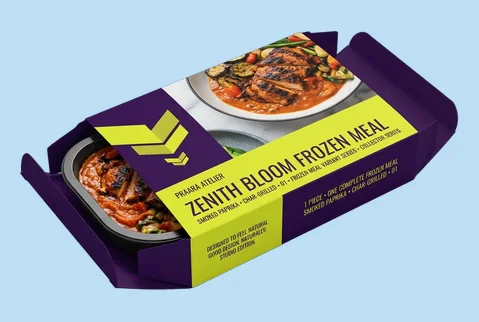
Straight Tuck Meal Cartons
A straight tuck format gives single frozen meals a clean, familiar carton profile with aligned opening panels. It works well when you want the meal name, brand mark and preparation information arranged in a clear visual order.
- Single-meal carton format
- Aligned top and bottom panels
- Full exterior brand coverage
- Clear retail-box access
Choose this route for a straightforward branded carton built around the approved tray, pouch or wrapped meal pack.
Customize Now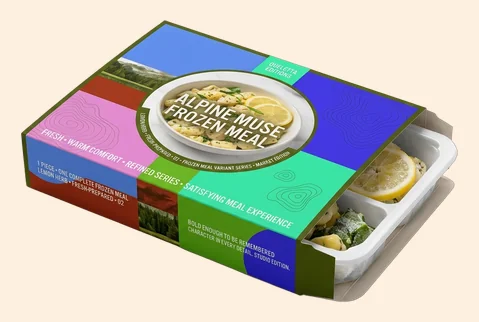
➜
Reverse Tuck Meal Cartons
Reverse tuck construction places the top and bottom closures in opposite directions, giving you another practical way to plan panel flow around the product. It can support compact meal cartons with distinct front, side and back information zones.
- Compact meal configurations
- Opposing tuck-panel closure
- Outside and inside printing
- Practical carton opening
Use it when the panel arrangement better suits your artwork, pack orientation and intended opening direction.
Customize Now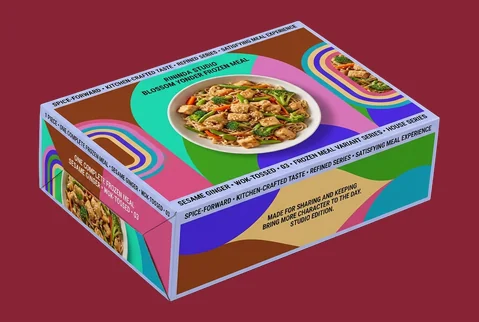
➜
Auto-Bottom Meal Boxes
An auto-bottom structure supports faster box setup while creating a defined base for the approved meal pack. It is a useful choice when operational handling matters alongside a polished exterior and an easy-to-follow brand hierarchy.
- Faster box setup
- Defined base support
- High-coverage printed panels
- Suitable for repeat packing
This format helps combine packing efficiency with a carton that still feels intentionally designed for the meal range.
Customize Now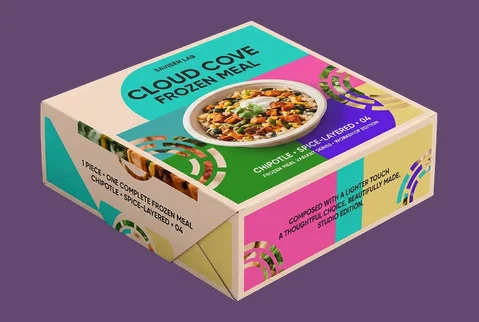
➜
Lock-Bottom Meal Boxes
Lock-bottom cartons use interlocking base panels to create a more deliberate lower structure around the selected product configuration. They suit projects where the base format, pack weight and panel layout need closer structural planning.
- Interlocking base panels
- Planned around pack weight
- Flexible printed surface coverage
- Confident shelf presentation
Select this route when the approved meal pack benefits from a more structured base and a strong branded outer profile.
Customize Now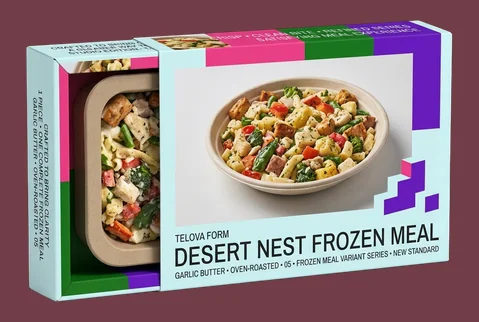
➜
Meal Tray Sleeves
A printed sleeve can wrap around a sealed meal tray or inner pack without hiding the product format behind a full carton. It gives the brand, meal name and variant system a focused surface for recognition.
- Fits sealed inner packs
- Focused front-panel branding
- Variant-friendly print system
- Simple slide-off access
Use sleeves to create a connected meal range while keeping the underlying tray or pack format easy to understand.
Customize Now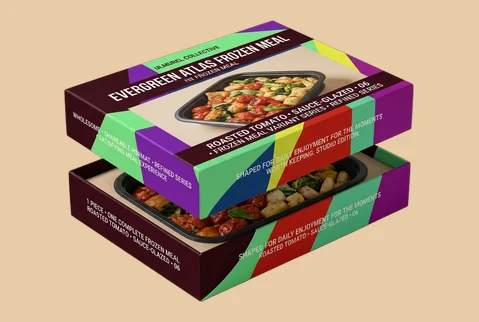
➜
Two-Piece Meal Boxes
A lid-and-base format creates a slower, more deliberate reveal for curated meal sets, promotions or gift-led food presentations. Exterior and interior surfaces can work together to make the pack feel coordinated from first view to opening.
- Lid-and-base construction
- Single or grouped meals
- Inside and outside artwork
- Considered product reveal
Choose this option when the receiving and opening moment should carry more weight than a standard tuck carton.
Customize Now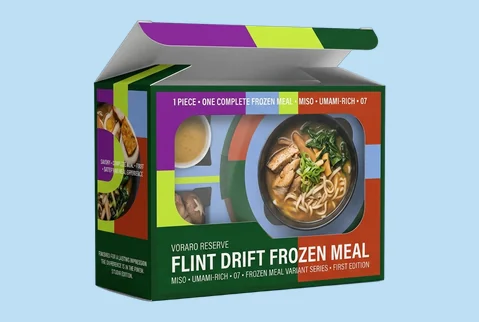
➜
Windowed Meal Cartons
A die-cut or patched window can give customers a controlled view of the approved inner tray, pouch or product area. The window shape, placement and surrounding artwork should support recognition rather than interrupt the information hierarchy.
- Custom window shapes
- Patched or open options
- Artwork-led visibility control
- Suitable where structurally approved
This route helps connect product visibility with a branded carton when a window suits the selected pack and specification.
Customize Now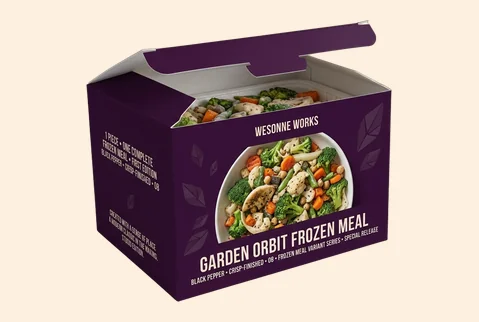
➜
Frozen Meal Variety Packs
A multipack can bring several meals, flavors or menu choices into one coordinated box. Inserts, dividers and planned spacing can help each item feel intentionally arranged while the outer pack presents the range as one brand.
- Multiple meal configurations
- Dividers or custom inserts
- Connected range branding
- Guided product selection
Use variety packs for assortments that need clear organization, shared identity and a more purposeful opening sequence.
Customize NowPHYSICAL CHARACTER BY MATERIAL
Give Frozen Meals the Right Physical Character
The board sets the physical tone before color, photography or finishes do. For frozen meal packaging, the right material should support the intended product character, the approved pack configuration and the way the box will be handled or opened. Smooth paperboard can create a clean, controlled surface for detailed meal imagery and range navigation. Kraft can support a more natural or craft-led identity. Corrugated material can give grouped meals or selected product-presentation formats a more substantial outer presence. The final choice should be made around the actual tray, pouch or wrapped product, not appearance alone.
SBS Paperboard for Clear Definition

SBS paperboard gives detailed artwork, meal photography and small printed elements a smooth surface. It suits brands that want a clean retail character, controlled color and a polished distinction between recipes or menu ranges.

Kraft for a Natural Brand Character

Kraft can give frozen meal packaging a warmer, more ingredient-led or craft-focused feel. White ink, full-color printing and selective finishes can create contrast while allowing the material character to remain part of the brand story.
Material Decisions for Food Use

Food-grade paperboard and grease-resistant coating options are available, but no FDA approval or automatic compliance should be assumed. Confirm whether the box surrounds a sealed inner pack or is intended for direct contact so the material and coating can be reviewed for the approved specification.
Corrugated for Grouped Presentation

Corrugated cardboard can support multipacks, promotional meal collections and relevant product-box formats that need more physical presence. It should be specified for the approved product configuration rather than positioned as a large commodity shipping carton.
MEAL IDENTITY AT A GLANCE
Make Every Meal Easy to Recognize and Choose
Customers may meet a frozen meal through its name, appetite appeal, recipe type and outer carton before they see the food itself. Custom printing can turn those cues into a range that is easier to understand: give each meal its own visual identity, keep the parent brand consistent and reserve clear areas for buyer-supplied preparation or required information. Full-color, CMYK, PMS and spot-color printing can be used across exterior panels, while inside printing can continue selected brand cues after opening. White ink on kraft is also available when a natural material character is part of the intended look.
- Give each recipe a distinct visual cue
- Keep the parent brand easy to recognize
- Organize meal names and information clearly
- Carry artwork across the full carton
- Continue selected brand cues inside
- Create connected seasonal or menu ranges
SURFACE CHOICES WITH PURPOSE
Direct Attention Before Customers Read Every Detail
A finish should help the customer understand the pack, not make every panel compete. For frozen meal boxes, surface choices can establish the overall mood, give the brand or meal name more visual weight and separate a special range from everyday products. Matte, gloss, soft-touch, spot UV, foil, embossing and debossing are available, but each treatment should earn its place through the impression it creates. The selected finish is then confirmed with the board, artwork and intended use so the surface plan remains coherent.
-
 Set the Overall Meal Character
Matte or soft-touch lamination can support a calm, considered or chef-led identity. Gloss can strengthen brighter graphics and food imagery when the range calls for more energy and surface clarity.
-
Make the Main Cue Count
Spot UV, foil, embossing, debossing or raised effects can give the logo, meal name or a selected graphic greater visual and tactile importance. The goal is to guide attention, not decorate every available area.
-
Separate Limited or Seasonal Ranges
Selective contrast can help seasonal recipes, promotional collections or special menu releases feel distinct while the parent brand remains recognizable. A controlled finish system also makes it easier to keep the core range visually connected.


MAKE THE OPENING WORK HARDER
Guide Customers From Recognition to Meal Selection
The outside of a frozen meal box sets an expectation, but the opening should help customers move naturally toward the product. For a single meal, that may mean clear access to the sealed tray or inner pack and continued brand cues on the inside panel. For a variety pack, it may mean dividers, inserts or planned spacing that make each recipe easier to identify and lift out. The purpose is not theatrical unboxing. It is a more coherent handoff from product recognition to opening, selection and preparation.
-
Continue the Brand Inside
Use selected colors, graphics or short messaging on internal surfaces so the identity established outside does not disappear as soon as the carton opens.
-
Make the Product Easy to Access
Plan the opening direction, inner clearance and product orientation around the actual tray, pouch or wrapped meal. The approved structure should support a clear, practical lift-out.
-
Organize Multi-Meal Discovery
Use dividers, paperboard inserts, corrugated inserts or custom foam only where they suit the approved configuration. Thoughtful spacing can help customers distinguish recipes and understand the assortment at a glance.


EXPERT-GUIDED FROZEN MEAL PACKAGING
Frozen Meal Box Customization Made Easy & Fast — Built for Freezer, Heating & Retail
Our frozen-food packaging experts, structural designers, print specialists, consultants, and project managers make custom frozen meal box ordering easy and fast by bringing your sealed tray, bowl, pouch, steamable bag, compartment entrée, family-size pan, meal kit, multipack, or food-service case dimensions, net weight, serving count, storage conditions, preparation methods, artwork, and brand direction into one production-ready structure. We guide primary-pack clearance, tray-rim and lid spacing, pouch gusset and seal allowance, compartment alignment, filled-weight support, freezer and condensation exposure, moisture-, oil-, and grease-resistant coating options, bottom reinforcement, closure behavior, stacking requirements, meal and flavor identification, microwave, oven, stovetop, and air-fryer instruction hierarchy, nutrition and ingredient panel spacing, allergen statement placement, date-code and barcode zones, food photography, dieline alignment, cost calculation, timeline planning, prepress preparation, and 3D proof review. The result is a frozen meal box that fits the sealed primary pack, supports cold-storage handling, communicates preparation clearly, and reaches production with fewer structural, material, artwork, or approval risks.
-
Fast
Specs-to-Quote Alignment
Experts align tray, bowl, pouch, or pan dimensions, serving count, net weight, carton style, board grade, freezer exposure, artwork, cost, timeline, prepress setup, and proofing early—helping reduce quotation delays and repeated revisions.
-
Exact
Meal-Fit & Weight-Support Review
We check primary-pack length, width, depth, lid and seal clearance, compartment layout, filled thickness, gross weight, loading direction, carton depth, base reinforcement, movement control, closure behavior, and stacking pressure.
-
Print-Ready
Heating, Meal & Artwork Check
Print specialists review customer-supplied microwave, oven, air-fryer, stovetop, steam-in-bag, venting, stirring, standing, and serving directions, along with meal names, serving counts, nutrition panels, ingredients, allergens, date coding, barcode spacing, photography, dieline alignment, and coating compatibility.
Plan the Box, Artwork and Order With Confidence
A frozen meal box performs best when the product, structure, artwork and production plan are decided together. The steps below help you prepare a specification that reflects the real meal pack, supports the intended sales setting and gives the artwork team the information needed for a useful dieline and proof.
-
Start With the Actual Meal Pack
Begin with the item that will sit inside the box. Share the length, width and height of the sealed tray, pouch, wrapped meal or other approved inner pack. Include any lids, films, sleeves or labels that change the outer size. For multipacks, confirm the number of meals, their orientation and whether dividers are needed. Do not estimate the box from the meal name alone. Fit also depends on how the product is inserted, removed and presented. Once these inputs are clear, the structure and dieline can be planned around the real configuration rather than an assumed size.
-
Match the Structure to the Selling Situation
Decide where customers will meet the box and what they need to understand. A compact tuck carton or sleeve may suit a single sealed meal. An auto-bottom or lock-bottom format may support a defined base and repeat packing. A two-piece box can give a curated set a more deliberate opening, while a divided multipack can organize several recipes under one brand. Share whether the project is for retail display, a prepared-meal program, a promotional assortment, a gift-led presentation or another relevant channel. This context helps determine panel order, opening direction, pack arrangement and how much of the experience should happen before or after opening.
-
Prepare Artwork Around Real Panel Priorities
List the information that must appear and decide what customers should notice first. Meal name, recipe distinction, brand identity, imagery and buyer-supplied preparation or required information may all need dedicated space. The goal is a readable hierarchy, not filling every panel. Free dieline or template support, artwork checking, resizing, bleed and safe-zone assistance are available. Production files may be supplied in AI, PDF, PSD or EPS format. Exterior and interior printing can be planned where relevant, using digital, offset or flexographic routes with CMYK, PMS or spot colors. A digital proof is available for every approved order, and printing begins only after the required approvals.
-
Choose a Quantity That Supports the Launch
Supported paperboard, cardstock, kraft and corrugated frozen meal box orders may start from 50 boxes. That quantity can still include relevant custom sizing, printing, finishes and structural choices, subject to the approved specification. It gives a smaller food business room to test a range, prepare a promotion or introduce a menu without defaulting to a generic stock carton. Per-unit pricing generally improves as quantity increases, with more visible differences often appearing around 500 units. Final pricing depends on structure, size, material, print coverage, finishes, inserts, number of designs and quantity. A physical prototype may be available for a qualifying bulk or wholesale project, and its cost may be adjusted into the resulting order where approved. Free samples, unconditional free prototypes and one-box production are not promised.
-
Confirm the Production Schedule Before Launch
Production normally takes 4–6 business days after payment, final artwork approval and structure confirmation. Production-ready jobs are generally planned to print and ship within 7 business days. Shipping transit time is separate, while complex multi-design orders may require a separately confirmed schedule. Build approval time into the launch plan, especially when several recipes, sizes or artworks are included. A multi-design order can require additional setup even when each design has a low quantity. Confirm the schedule before committing to a retail date, campaign handoff or delivery program, and keep final artwork decisions centralized so avoidable approval delays do not interrupt production.
-
Confirm Food-Use Boundaries Early
Tell the packaging team whether the carton will surround a sealed inner pack or is intended for direct food contact. Food-grade paperboard and grease-resistant coating options are available, but the box should not be presented as FDA-approved or automatically compliant. The final material and coating need to be confirmed for the approved use and structure. The buyer remains responsible for the accuracy and legal sufficiency of supplied ingredient, preparation, nutrition, warning or other required information. Packaging support can provide space and print those panels, but it does not replace the buyer’s regulatory review. A clear product sample, confirmed measurements, organized artwork and an agreed schedule make the quote more useful and the production path easier to follow. Start with the real meal pack and intended customer moment, then build the structure and print plan around those facts.

FROZEN MEAL BOX QUESTIONS
Answers Before You Size, Print and Order
Yes. The box can be planned around the actual sealed tray, pouch or wrapped meal pack rather than a generic size. Share the finished length, width and height, including any lid, film, sleeve or label that changes the outer dimensions. Also confirm the opening direction, pack orientation and whether removal clearance or dividers are needed. The final structure and dieline are then prepared around the approved configuration.
Guidance is available, and the best style depends on the meal pack, panel layout and packing process. Straight tuck and reverse tuck cartons provide familiar access, while auto-bottom or lock-bottom formats can support a more defined base. A printed sleeve may suit a sealed tray when a full carton is unnecessary. Share the actual pack and intended channel so the structure can be compared on fit, artwork space and opening.
Yes. Full-color, CMYK, PMS and spot-color printing can give each recipe a distinct visual cue while keeping the parent brand consistent across the range. Panel layouts can reserve clear space for meal names, imagery and buyer-supplied preparation or required information. When one order includes many designs, the production schedule may need separate confirmation because each artwork can add setup and approval steps.
Yes. Inside printing can continue selected colors, graphics or short messaging after the carton opens, while exterior printing carries the main product and brand identity. Printing is available on the front, back, top, bottom, outside and inside where the approved structure allows it. The inside artwork should support access and product discovery rather than compete with the information customers need first.
Yes. Supported paperboard, cardstock, kraft and corrugated orders may start from 50 boxes, without automatically removing relevant custom sizing, print, finish or structural choices. The available options still depend on the approved box style and production specification. This gives a smaller brand room to test a recipe range, prepare a promotion or introduce a new menu without committing to an unnecessarily large first run.
Yes. Free dieline or template support, artwork checking, resizing, bleed and safe-zone assistance are available. Production files may be supplied in AI, PDF, PSD or EPS format, and design support is available where the artwork needs preparation. A digital proof is provided for every approved order so you can review the layout before printing begins. A digital proof is not the same as a physical prototype.
Production normally takes 4–6 business days after payment, final artwork approval and structure confirmation. Production-ready jobs are generally planned to print and ship within 7 business days. Shipping transit time is separate, while complex multi-design orders may require a separately confirmed schedule. Confirm the timeline before fixing a launch or delivery date, especially when the order includes several meal designs or sizes.
No. Food-grade paperboard and grease-resistant coating options are available, and direct-food-contact use can be discussed for an approved specification. However, the packaging should not be described as FDA-approved or automatically compliant. Tell the team whether the box surrounds a sealed inner pack or will touch food directly so the material and coating can be reviewed. The buyer remains responsible for the accuracy and legal sufficiency of supplied required information.
CUSTOMER SUCCESS STORIES
Hear What Our Customers Say

As a small business, finding premium finishes in lower quantities was always difficult. Global Custom Packaging gave us the freedom to customize our boxes and create the distinctive, polished look we wanted without committing to a large order. We still work with them today and have expanded into multiple product variants, each with the same impressive presentation.
Jordan Blake
We sell online and in stores while regularly promoting at major events, running influencer campaigns, and launching seasonal collections. Thunder Packaging has become our dependable source for everything—from premium mailer and product boxes to sturdy influencer kits, rigid packaging, kraft boxes, and limited-edition Christmas designs. Whatever structure, material, or branded look we need, we no longer have to go anywhere else.
Avery Quinn

I never worry about how my packaging will look or whether my artwork contains typos, incorrect bleed areas, or other design errors. Their 3D previews and helpful design support give me confidence before printing. If the team notices a problem, they contact me, correct it quickly, and never charge extra for the assistance.
Cameron Reese
I’m really impressed with Global Custom Packaging’s precise, richly saturated printing and the accuracy of their die-cutting. The boxes were produced in exactly the right size, with a clean, well-formed structure and no fitting or construction issues. The finished packaging looked polished, consistent, and ready to represent our products professionally.
Morgan Taylor
I received my quote within a few hours, and once we agreed on the price, the designer responded quickly, completed the required changes, and prepared my artwork for printing. The 3D proof arrived promptly, allowing me to review everything and place my order that same day. My packaging was delivered on time, exactly as Global Custom Packaging had committed.
Harper Lane