

-

Low Starting Quantity
-

Digital Proof Included
-

Design Support Available
-
In-House Production
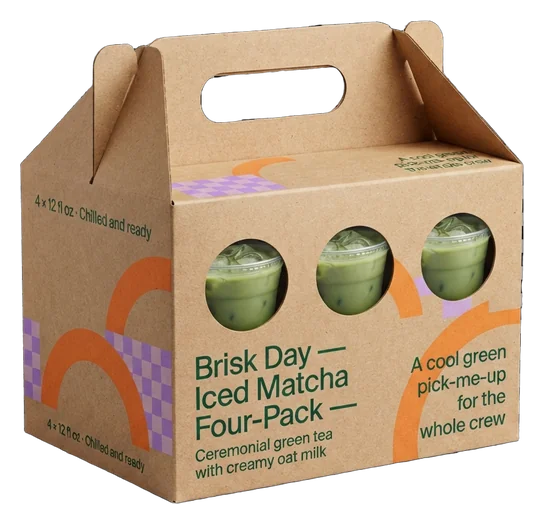
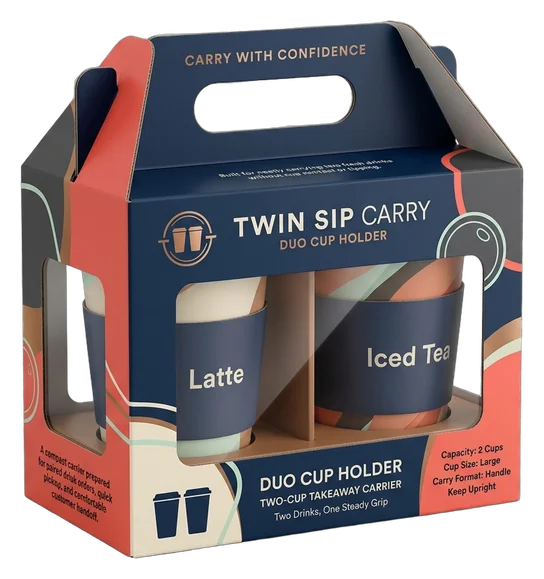
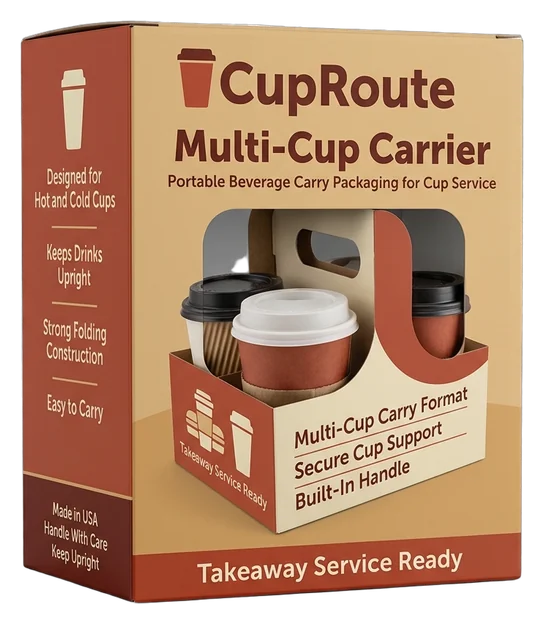
Turn every café pickup, catering handoff, or beverage delivery into a more organized brand moment with cup carriers shaped around your cups, artwork, and service style. Customers may see a drink order for only a few seconds before they collect it, carry it away, or pass it to someone else. Custom cup carrier boxes turn that brief handoff into a clear expression of your business through coordinated color, visible messaging, practical arrangement, and a structure planned around the cups being served. The result is a carrier that feels considered at the counter, during transport, and when the order reaches its recipient. Build a cup carrier that supports the way your business actually serves drinks. From everyday café orders to catering, events, promotions, or multi-item takeout, the format can be shaped around the intended cup configuration, brand character, and customer handoff so the package feels purposeful rather than generic. That outcome is developed through measured sizing, suitable paperboard, kraft, or corrugated options, custom inserts, and printing across relevant exterior or interior surfaces. Artwork and dieline support help prepare the design, while a digital proof lets you review the approved layout before production. Finishes, handles, dividers, and other structural choices can then be selected only where they improve recognition, arrangement, or carrying use.

Get Custom Quote
CARRIERS FOR REAL ORDERS
Choose a Carrier Around the Way Drinks Move
Different drink programs create different carrying and handoff needs. A quick café pickup may call for easy loading and clear brand visibility, while a delivery, event, or catering order may need a more controlled arrangement. Cup profile, lid shape, order size, carrying distance, accessories, and the way each drink is removed can all influence the right format. The strongest choice is not simply the carrier with the most features. It is the structure that keeps the order understandable, supports practical handling, and carries the intended brand character through the moments your customer actually experiences.
➜
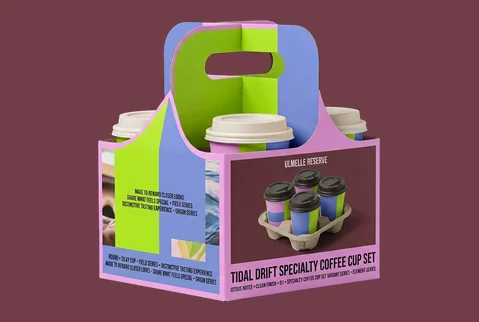
Counter Handoff Carrier
Give everyday café and beverage orders a more organized point of collection with a carrier planned around fast loading, cup fit, visible artwork, and a clear customer handoff.
- Single or grouped drink orders
- Measured cup-and-lid fit
- Front-and-side brand visibility
- Built for counter collection
Create a carrier that makes routine pickup feel more deliberate and visibly connected to your business.
Customize Now
➜
Takeout and Delivery Carrier
Plan the carrier around the full journey from preparation to receipt, using a considered cup arrangement and structure suited to the intended takeout or delivery handoff.
- Planned multi-cup arrangement
- Insert or divider options
- Exterior and interior printing
- Suited to off-site handoff
Keep the order organized while carrying recognizable brand cues beyond the point of purchase.
Customize Now
➜
Catering and Event Carrier
Coordinate drink service for meetings, celebrations, promotions, or catered occasions with a carrier that supports distribution while reinforcing the visual character of the event or business.
- Event-specific drink configuration
- Handle and insert choices
- Campaign or occasion artwork
- Organized group distribution
Turn practical beverage handling into a more unified part of the wider event experience.
Customize Now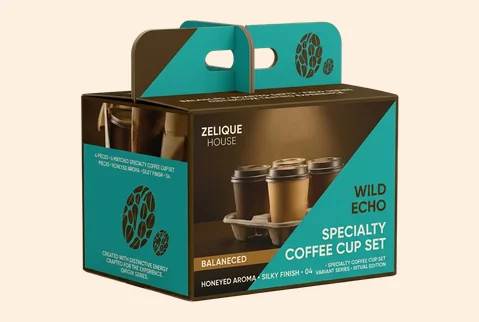
➜
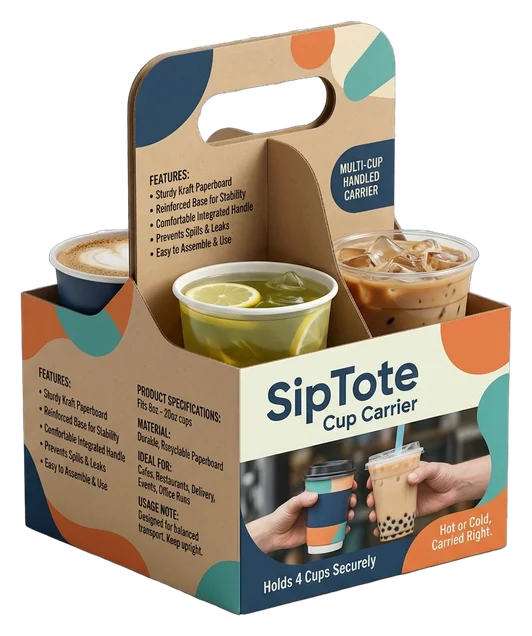
Inserted Multi-Cup Carrier
Use a custom insert or divider layout to give each cup a deliberate position while preserving room for clear branding across the surrounding carrier panels.
- Matching or mixed cup profiles
- Custom insert arrangement
- Multi-panel custom printing
- Clear drink removal sequence
Combine structured placement with a customer-friendly handoff that feels planned from the first look.
Customize NowMATERIAL THAT SETS THE TONE
Choose the Feel Customers Meet at Handoff
The material influences what customers understand about a drink order before they study the artwork. A smooth surface can make detailed café graphics and bright campaign colors feel clearer, while kraft can support a more natural, casual, or craft-led identity. Corrugated board can provide a more structured physical character for relevant carrier formats without turning the package into a generic shipping carton. Choose the stock by considering the cup arrangement, the intended use, and the impression the carrier should create in the hand. The right material gives the design an appropriate foundation instead of asking printing and finishes to create the entire experience alone.
Smooth Paperboard for Clear Brand Detail

Paperboard gives logos, drink illustrations, menu cues, promotional messaging, and controlled colors a clean surface on which to work. It can support a polished everyday café identity or a more expressive campaign-led design, depending on the artwork and finish. Choose it when detailed printing and a refined customer-facing surface are central to the carrier’s role.

Kraft for a Natural, Craft-Led Character

Kraft can make the carrier feel grounded, informal, or closely connected to a handmade and ingredient-conscious brand style. Dark inks, bold graphics, or white printing can create strong contrast without hiding the material’s natural appearance. Use it when the board itself should remain visible as part of the brand character.
Corrugated Board for Greater Physical Presence

Corrugated material can give relevant carrier structures a more substantial feel when the cup arrangement or handling route calls for it. Custom printing allows the carrier to retain a coordinated promotional, catering, or brand-led identity rather than looking like an ordinary transport carton. Select the flute and structure according to the approved carrier design and intended use.
BRAND CUES IN EVERY HANDOFF
Turn Every Drink Handoff Into a Brand Cue
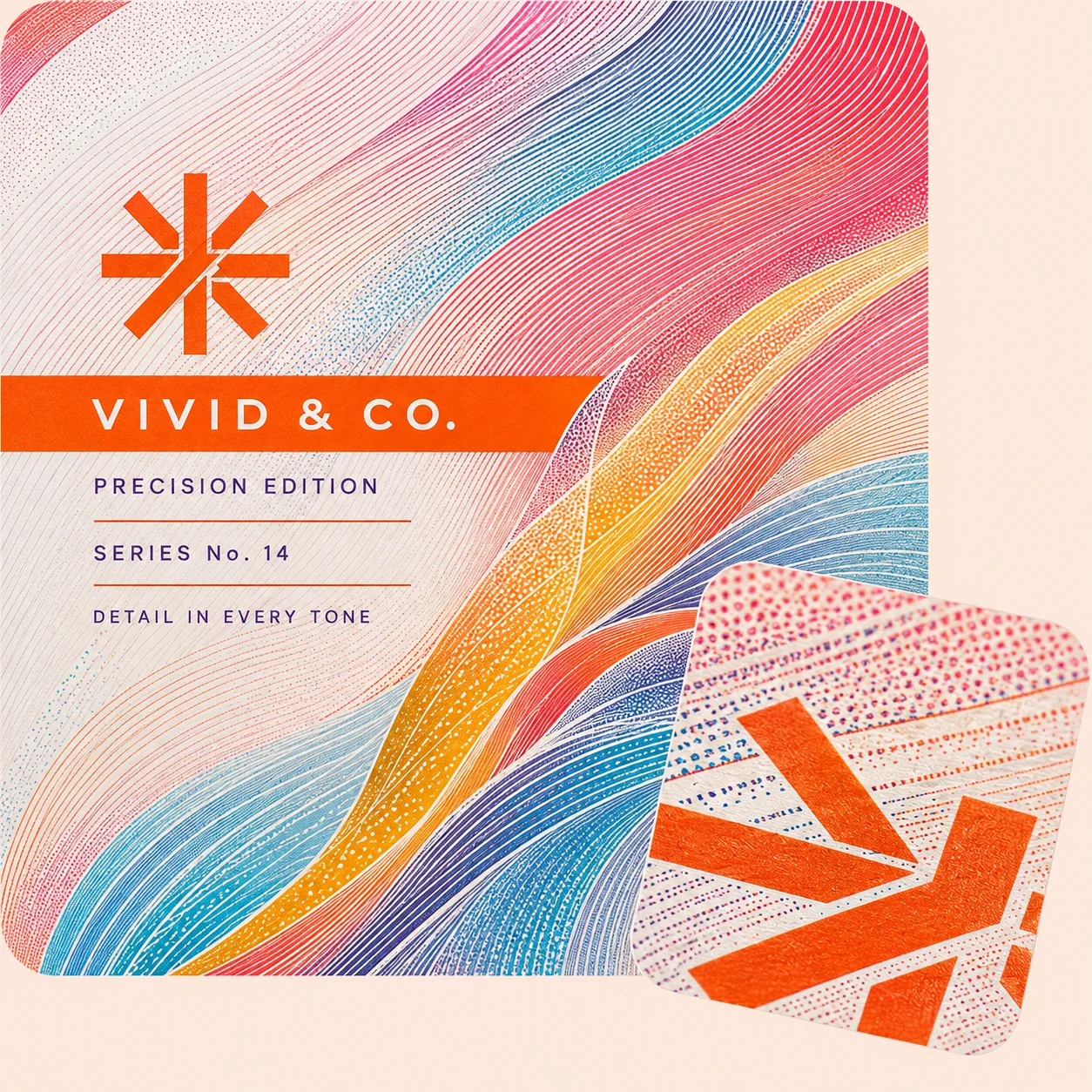
A cup carrier can communicate more than a logo. It can help customers recognize where the order came from, distinguish one drink program from another, understand a promotion, or connect a delivered order with the experience they had at the café or event. Custom printing lets you coordinate colors, illustrations, menu language, campaign graphics, and practical messaging across the panels customers see while collecting and carrying the drinks. Exterior and relevant interior printing can work together so the identity remains visible from the first handoff through drink selection, rather than disappearing once the cups leave the counter.
- Keep the café identity easy to recognize
- Connect drink ranges through shared graphics
- Give promotions their own visual cue
- Carry artwork beyond the front panel
- Continue relevant messaging inside the carrier
- Stay consistent across selected handoff channels
SURFACE DETAILS WITH A JOB
Guide Attention Before the Carrier Is Picked Up
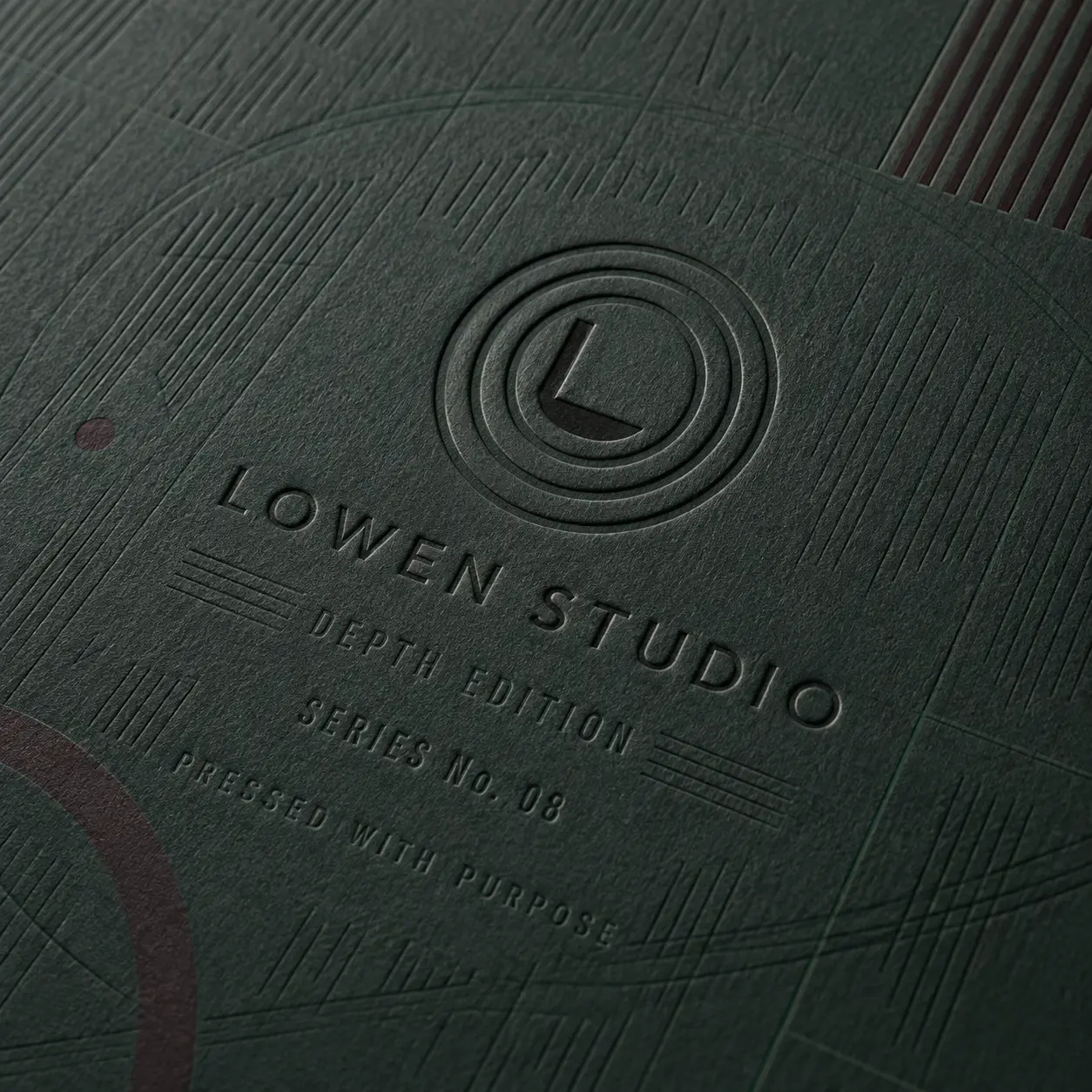
Finishes should help customers understand the carrier, not distract them with decoration. The right surface treatment can set an overall mood, make the business name or drink message easier to notice, or give a promotional and event order a more distinct sense of purpose. Matte, gloss, soft-touch, foil, embossing, debossing, spot UV, raised effects, and coatings are most effective when each one has a clear role. Begin with the impression the carrier should create, then use selective contrast to support that outcome instead of applying finishes simply because they are available.
-
 Set the Overall Character
Matte or soft-touch treatment can give a café, catering, or corporate drink program a calmer and more considered feel. Gloss can support brighter graphics and energetic promotional artwork when stronger surface clarity fits the intended identity. Choose the overall treatment according to the character customers should notice before they focus on individual design details.
-
Make the Important Cue Easy to Find
Foil, embossing, debossing, raised UV, or selective spot effects can give a logo, event title, campaign message, or signature drink cue greater visual and tactile weight. The purpose is to establish a clear point of attention, not to compete for notice across every panel.
-
Distinguish Events and Limited Campaigns
Selective surface contrast can help a seasonal menu, product launch, catered occasion, or sponsored event feel different from the everyday carrier while remaining visibly connected to the same business. Use the finish to mark the occasion without losing the parent brand’s established design language.


KEEP THE EXPERIENCE MOVING
Make Carrying and Drink Selection Feel Clear
A strong exterior sets an expectation, but the experience continues when the customer handles the carrier and begins removing the drinks. A loose arrangement, unclear cup order, or visually disconnected interior can make that moment feel less considered. Inserts, dividers, spacing, and relevant interior printing can help each drink occupy a deliberate position while keeping the wider order easy to understand. For café collections, catering, events, takeout, or delivery, the goal is not theatrical unboxing. It is a smooth progression from recognition to carrying, handoff, and drink selection that remains consistent with the reason the customer chose the business.
-
Continue Keep the Brand Present
Carry relevant colors, artwork, instructions, or short messaging onto the panels customers continue to see while holding the carrier or removing the drinks. This helps the brand identity remain active after the first exterior view instead of ending at the counter.
-
Guide Give Every Cup a Deliberate Place
Use inserts, dividers, and considered spacing to organize matching or mixed cup profiles according to the approved structure. A clear arrangement can make the order easier to understand and help customers identify which drink to select without turning the interior into a complicated display.
-
Reward Shape the Handoff and First Access
Plan what customers see first, where they hold the carrier, and how the drinks are removed. Handles, openings, printed cues, and cup placement can work together to make the first interaction feel more purposeful. The result is a clearer transition from receiving the order to sharing or enjoying it.


EXPERT-GUIDED CUP CARRIER PACKAGING
Cup Carrier Box Customization Made Easy & Fast — Built to Hold, Balance & Brand
Our cup carrier packaging experts, structural designers, print specialists, consultants, and project managers make custom cup carrier box ordering easy and fast by bringing your cup diameter, base taper, lid height, drink size, cup count, carrier layout, handle needs, selected structure, artwork, and brand direction into one production-ready format. We guide cup-hole sizing, cavity spacing, grip strength, base support, side-wall stiffness, nesting behavior, flat-fold assembly, hot or cold beverage handling needs, food-contact stock options, moisture-resistant coating options, board thickness, print coverage, barcode or QR spacing where used, dieline alignment, bleed and safe-zone setup, cost calculation, timeline planning, prepress preparation, and 3D proof review. The result is a custom cup carrier box that holds drinks more securely, supports faster service, carries your branding cleanly, and moves to production with fewer sizing, print, structure, or approval risks.

-
Fast
Specs-to-Quote Alignment
Experts align cup size, drink count, carrier style, cup-hole layout, handle structure, stock thickness, coating options, artwork, cost, timeline, prepress setup, and 3D proof early — helping reduce quote delays and approval back-and-forth.
-
Exact
Cup-Fit & Balance Review
We check cup rim diameter, base taper, lid height, cup count, cavity spacing, base footprint, hand-grip placement, fold behavior, and nesting tolerance so the carrier fits your beverage service more accurately.
-
Carry-Ready
Handle, Moisture & Print Check
Packaging and print specialists review handle strength, base support, side-wall stiffness, moisture-resistant coating options, food-contact stock options, logo placement, QR spacing, dieline alignment, bleed, safe zones, and coating compatibility so the carrier supports service and prints more cleanly.
Plan a Cup Carrier That Works Beyond the Artwork
A cup carrier performs best when its structure, artwork, and ordering plan are built around the same real serving conditions. The following decisions help you move from an idea to a production-ready carrier without relying on guesswork or forcing your drinks into a generic format.
-
Measure the Full Serving Setup
Start with the cups as they will actually be handed to the customer. Record the cup’s widest points, overall height, base profile, lid shape, and any sleeve that will remain in place. Then confirm how many cups the carrier should hold and whether the order may also include straws, napkins, condiments, or another small item. These details guide the carrier footprint, opening size, insert layout, handle position, and removal clearance. Irregular or mixed cup profiles may need a different arrangement from a set of matching cups. Exact dimensions should be confirmed from your product measurements rather than selected from an assumed standard.
-
Match the Structure to the Handoff
Think about where the carrier becomes useful. A café-counter order may need quick loading and clear front-facing branding. A takeout or delivery order may call for a more controlled arrangement. Catering and event service may place greater value on coordinated graphics, easy recognition, and organized distribution. Your packaging specialist can use the intended channel, cup count, carrying distance, and loading process to recommend a suitable structural route. Handles, inserts, dividers, or more enclosed panels can be considered where they support the selected use. The goal is not to add every option; it is to make the handoff feel clear, practical, and consistent with the brand.
-
Choose the Material for Use and Brand Character
Paperboard can provide a smooth surface for detailed graphics and a polished café or campaign look. Kraft can support a more natural, casual, or craft-led identity. Corrugated board can add physical structure for relevant carrier formats while still accepting coordinated custom printing. The final stock should be chosen after the cup configuration and structure are confirmed. Available paperboard ranges include 14 to 24 pt, while corrugated options include multiple flute choices. The right specification depends on the design, load, opening pattern, and intended handling—not thickness alone.
-
Prepare Artwork on the Final Dieline
A dieline is the flat production template that shows every panel, fold, cut, and safe print area. Free dieline or template support is available, along with artwork checking, resizing, and help with bleed and safe zones. Accepted production files include AI, PDF, PSD, and EPS. Design can extend across the front, back, sides, top, bottom, outside, and relevant inside surfaces. Build artwork on the confirmed dieline so brand marks, drink cues, instructions, and campaign messages appear in the intended place after the carrier is formed. Supported orders do not carry a separate die or plate fee.
-
Review Proofs Before Production
A digital proof is available for every approved order. Use it to review the final layout, panel orientation, colors, text placement, and structure before printing begins. A digital proof confirms the production file; it is not a physical sample. A physical prototype may be available for a qualifying bulk or wholesale project. Where approved, its cost may be adjusted into the resulting order. This is different from an unrestricted free-sample program, so prototype needs should be discussed early when physical testing is important to the decision.
-
Plan Quantity, Pricing, and Production Together
Paperboard, cardstock, kraft, and supported corrugated cup carrier orders may start from 50 boxes. Relevant custom sizing, printing, finishes, and insert choices remain available at that starting quantity where they suit the approved structure and production specification. Per-unit pricing generally improves as quantity rises, with more visible differences often appearing around 500 units. Production normally takes 4–6 business days after payment, final artwork approval, and structure confirmation. Production-ready jobs are generally planned to print and ship within 7 business days. Shipping transit time is separate, and complex multi-design orders may need a separately confirmed schedule. Multi-address shipping is also available when one program must be distributed to different locations. A well-prepared quote should bring together the cup measurements, quantity, material direction, artwork status, intended use, destination plan, and any insert or handle requirement. That gives the production team the information needed to recommend a carrier that supports both the drink order and the brand experience around it.

CUP CARRIER QUESTIONS
Answers Before You Size, Print, and Order
Yes. The carrier can be planned around your actual cup width, height, base profile, lid shape, sleeve, intended quantity, and arrangement. These details help determine the opening, insert layout, handle position, and removal clearance. Provide measurements for the complete serving setup rather than the cup alone. The final structure should be confirmed before artwork is placed on the production dieline.
Yes, where the approved structure can support the combination. Custom inserts or dividers can be arranged around different cup profiles so each drink has a defined position rather than relying on one repeated opening size. The final recommendation will depend on the dimensions, weight distribution, lids, sleeves, number of cups, and the way the order will be carried. Mixed configurations should be reviewed as a complete layout before production.
Yes, when the selected structure provides enough room. An insert, divider, or dedicated area can be planned for relevant accessories alongside the cups, helping the full order feel more organized at handoff. Share the dimensions and quantity of the additional items during sizing. Adding accessory space may change the carrier footprint, cup arrangement, handle position, or material recommendation, so it should be included before the final dieline is prepared.
The right choice depends on the carrier structure, drink arrangement, handling route, and brand character. Smooth paperboard can support detailed printing and a polished appearance. Kraft can create a more natural or craft-led feel. Corrugated board can provide greater physical structure for relevant carrier formats. Material should be selected after the cups and intended use are understood. The thickest option is not automatically the most suitable one.
Yes. Printing can extend across the front, back, sides, top, bottom, outside, and relevant inside surfaces. This allows the carrier to communicate through more than one front-facing logo. Full-color, CMYK, Pantone or spot-color, digital, offset, flexographic, metallic, and white-on-kraft printing options are available. The recommended method will depend on the chosen material, artwork, quantity, and production specification.
Yes. Paperboard, cardstock, kraft, and supported corrugated orders may start from 50 boxes, subject to the approved structure and production specification. Starting at a lower quantity does not automatically remove relevant sizing, printing, material, finish, or insert choices. This gives a new café, local beverage business, promotion, or event program access to packaging built around its own cups and brand instead of requiring a large first run.
Yes. A digital proof is available for every approved order so you can review the final artwork, panel placement, orientation, and structure before production begins. A physical prototype may also be available for a qualifying bulk or wholesale project. Where approved, its cost may be adjusted into the resulting order. A digital proof is not a physical sample, and printing does not begin before the required approval and structure confirmation.
Production normally takes 4–6 business days after payment, final artwork approval, and structure confirmation. Production-ready jobs are generally planned to print and ship within 7 business days. Shipping transit time is separate from production. A complex order involving many designs or production setups may need a separately confirmed schedule. Any special timing requirement should therefore be discussed before the order is approved rather than treated as guaranteed delivery by a particular date.
CUSTOMER SUCCESS STORIES
Hear What Our Customers Say

As a small business, finding premium finishes in lower quantities was always difficult. Global Custom Packaging gave us the freedom to customize our boxes and create the distinctive, polished look we wanted without committing to a large order. We still work with them today and have expanded into multiple product variants, each with the same impressive presentation.
Jordan Blake
We sell online and in stores while regularly promoting at major events, running influencer campaigns, and launching seasonal collections. Global Custom Packaging has become our dependable source for everything—from premium mailer and product boxes to sturdy influencer kits, rigid packaging, kraft boxes, and limited-edition Christmas designs. Whatever structure, material, or branded look we need, we no longer have to go anywhere else.
Avery Quinn

I never worry about how my packaging will look or whether my artwork contains typos, incorrect bleed areas, or other design errors. Their 3D previews and helpful design support give me confidence before printing. If the team notices a problem, they contact me, correct it quickly, and never charge extra for the assistance.
Cameron Reese
I’m really impressed with Global Custom Packaging’s precise, richly saturated printing and the accuracy of their die-cutting. The boxes were produced in exactly the right size, with a clean, well-formed structure and no fitting or construction issues. The finished packaging looked polished, consistent, and ready to represent our products professionally.
Morgan Taylor
I received my quote within a few hours, and once we agreed on the price, the designer responded quickly, completed the required changes, and prepared my artwork for printing. The 3D proof arrived promptly, allowing me to review everything and place my order that same day. My packaging was delivered on time, exactly as Global Custom Packaging had committed.
Harper Lane