



-

Low Starting Quantity
-

Digital Proof Included
-

Design Support Available
-
In-House Production
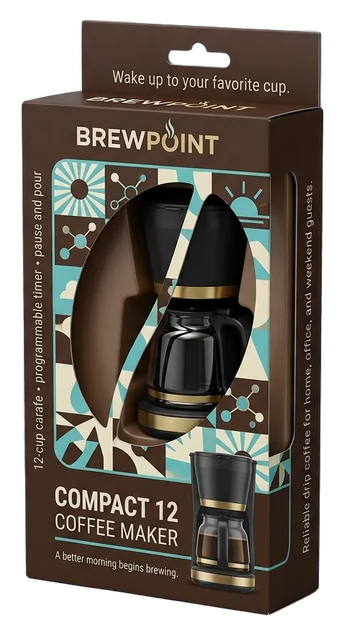
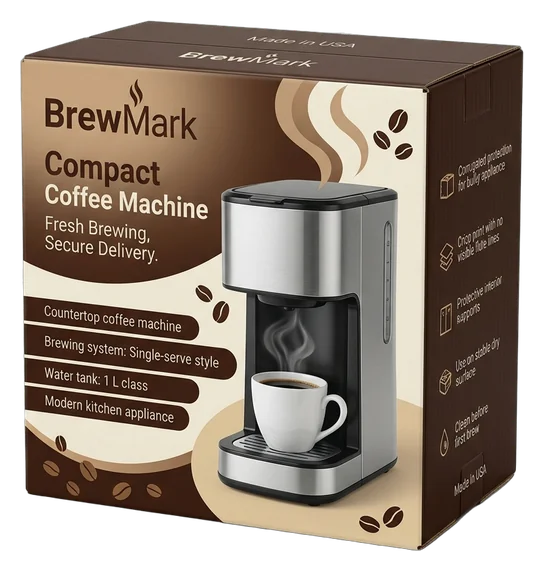
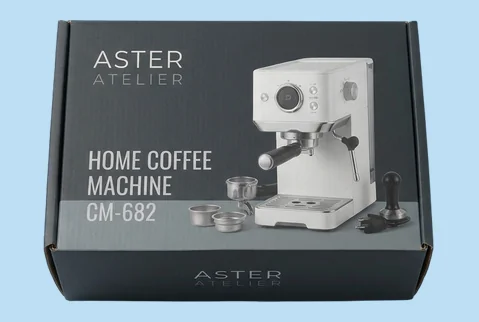
Custom coffee machine boxes give every model a clear, credible identity while turning retail display, delivery, handoff and first opening into one connected introduction to the machine and its brand. Coffee machines are often compared in crowded retail displays, reseller catalogs, product pages or delivery moments where customers quickly judge model clarity and overall quality. Custom sizing, structural planning and coordinated print turn a plain outer pack into a recognizable product introduction. Clear model cues, disciplined panel hierarchy and branded interior details help the machine feel considered from first sight through opening and setup with greater confidence. We build coffee machine packaging around the actual model, included components, selling channel and intended brand character. Our team helps shape the structure, arrange accessories, prepare the artwork and align the outside and inside so the finished box feels deliberate rather than adapted from a generic appliance carton. That result is supported by practical packaging work: measured fit planning, paperboard, kraft, corrugated or supported rigid structures, exterior and interior printing, selective finishes, and die-cut foam or board inserts. Dieline and artwork support help prepare the job correctly, while a digital proof gives you a clear approval point before production begins. The same team can coordinate printing, finishing and rigid production in-house for a more connected service experience.

Get Custom Quote
BOX ROUTES BY USE
Choose a Structure That Supports the Whole Machine
A coffee machine box has to reflect more than the machine’s outside dimensions. The right route depends on weight, removable components, accessory count, retail or direct-sale use, and the way customers should meet the product. A substantial machine may need a fitted corrugated product box, while a compact launch model may suit a sleeve-and-tray or supported rigid set. Handles can improve handoff, compartments can clarify the contents, and inside printing can guide the first opening. These formats give you practical starting points; the final structure should be confirmed around the actual machine, packed arrangement and intended customer moment.
➜
Branded Corrugated Product Box
A fitted corrugated product box gives a coffee machine the structural depth it needs while keeping model graphics, product benefits and brand cues visible across large exterior panels.
- Single machine or bundled set
- Die-cut fit around components
- Full-panel model and brand graphics
- Retail, handoff or delivery use
A practical route for substantial machines that still need a deliberate, customer-facing product identity.
Customize Now
➜
Retail Folding Carton
For compact coffee makers or smaller appliance formats, a paperboard carton can combine efficient structure with clean print definition for model names, product imagery and feature communication.
- Compact machine configuration
- Tuck or auto-bottom structure
- Clear feature and model panels
- Shelf, counter or direct sale
Best when a lighter-format machine needs clear shelf communication without losing brand character.
Customize Now
➜
Handle-Carry Product Box
An integrated handle can make retail handoff or event distribution more convenient for customers while giving the top, front and side panels a coordinated branded role.
- Machine with selected accessories
- Integrated handle configuration
- Branded top and side panels
- Retail handoff or event use
The package feels easier to carry and remains visibly connected to the product brand.
Customize Now
➜
Sleeve-and-Tray Box
A sliding sleeve and fitted tray can give compact coffee machines, gift bundles or launch editions a controlled reveal with generous wraparound space for series artwork.
- Compact machine or gift bundle
- Sliding reveal with fitted tray
- Wraparound series graphics
- Launch, gifting or presentation
This route turns access to the machine into a measured, brand-led reveal.
Customize Now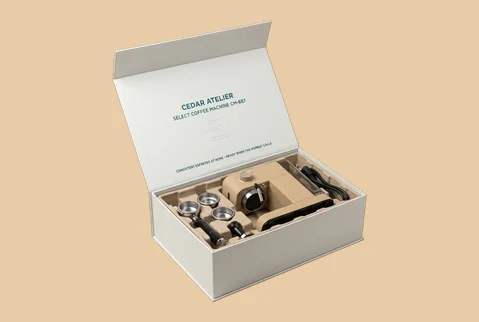
➜
Magnetic Rigid Set Box
For supported compact machines, limited editions or high-value launch kits, a magnetic rigid box can add physical presence and create a more deliberate opening sequence.
- Supported compact machine format
- Foam or board insert layout
- Interior and exterior continuity
- PR, gifting or product launch
The structure suits occasions where the box must carry the same confidence as the machine.
Customize Now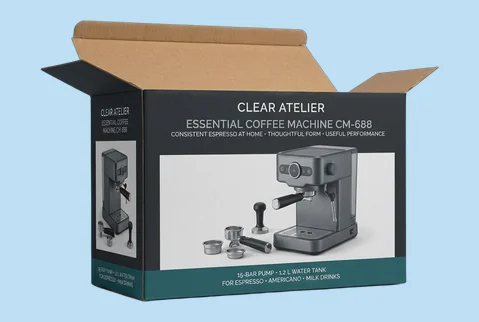
➜
Machine and Accessory Kit Box
A compartment-led kit box brings the machine, detachable parts, starter items and printed guidance into one clear arrangement instead of leaving customers to sort a loose pack.
- Machine with included components
- Separate compartments by function
- Printed setup sequence inside
- Demo, training or onboarding use
Customers can understand the set faster and move through the contents in a sensible order.
Customize Now
➜
Peel-and-Seal Mailer Box
For selected compact machines sold directly to customers, a branded mailer format can combine an integrated peel-and-seal closure with a cleaner arrival and opening experience.
- Compact direct-sale configuration
- Peel-and-seal closing option
- Inside and outside print
- Delivery arrival and first opening
A useful option when the delivery box itself must introduce the product and brand.
Customize NowMATERIALS THAT SET THE TONE
Give the Box the Right Physical Character
The material gives a coffee machine box its first physical message. It can feel crisp and retail-ready, natural and craft-led, substantial enough for a larger appliance, or intentionally gift-like for a launch edition. The best choice comes from the machine’s weight, format, selling channel and desired brand character—not from choosing the thickest board by default. Paperboard, kraft, corrugated and supported rigid structures each create a different balance of print definition, hand feel, opening behavior and physical presence.
SBS Paperboard for Clean Product Communication

Smooth SBS paperboard gives compact coffee machine cartons and accessory-led packs a crisp surface for product photography, model names, feature icons and controlled brand colors. It suits brands that want the box to feel precise, modern and easy to compare at retail or online.

Kraft for a Warmer Coffeehouse Character

Kraft can support a more natural, workshop-inspired or coffeehouse-led identity. Dark inks, restrained graphics and well-produced white ink can make the brand feel intentional rather than rustic by default. It works best when the uncoated character genuinely matches the product story.
Corrugated Board for Branded Appliance Presence

Corrugated board is often the practical route for a substantial machine or a set with several components. Its depth can support fitted product-box structures while broad printed panels keep the pack customer-facing. The result should read as a branded appliance package, not a generic commodity shipping carton.
Rigid Greyboard for Supported Launch and Gift Sets

For supported compact machines, limited editions or partner kits, rigid greyboard can create a more substantial hand feel and a slower, more deliberate opening. Wrapped surfaces, magnetic closures and fitted inserts can give the complete set the presence expected from a high-value launch or gift program.
MODEL, BRAND & RANGE CLARITY
Make Each Coffee Machine Easy to Recognize
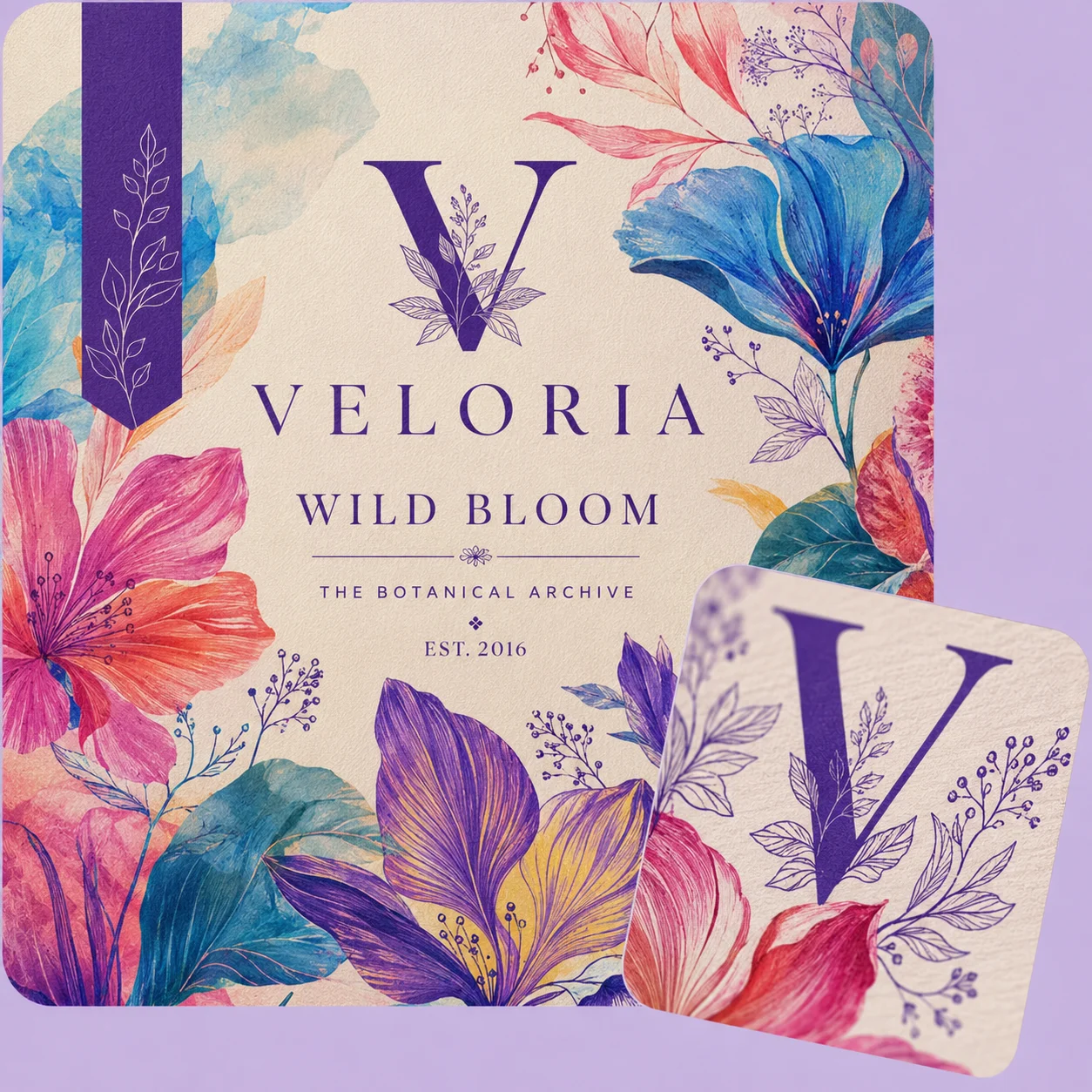
A coffee machine range can become difficult to navigate when model names, brewing styles, finishes and included accessories compete for the same space. Custom printing should make the product easier to understand before it adds decoration. Use a clear visual system to separate models, keep the parent brand consistent and show the information customers need at retail, in reseller handoff, through product photography or on arrival. Full-color artwork, controlled spot colors, white ink on kraft and selected inside printing provide the production routes. The useful outcome is a box that tells customers which machine they are seeing, where it sits in the range and what kind of experience the brand intends to deliver.
- Make each model easy to identify
- Keep the product family visibly connected
- Carry the story across every panel
- Turn setup cues into brand touchpoints
- Distinguish launches and special editions
- Stay recognizable across selected channels
SURFACES WITH A PURPOSE
Control What Customers Notice and Feel First
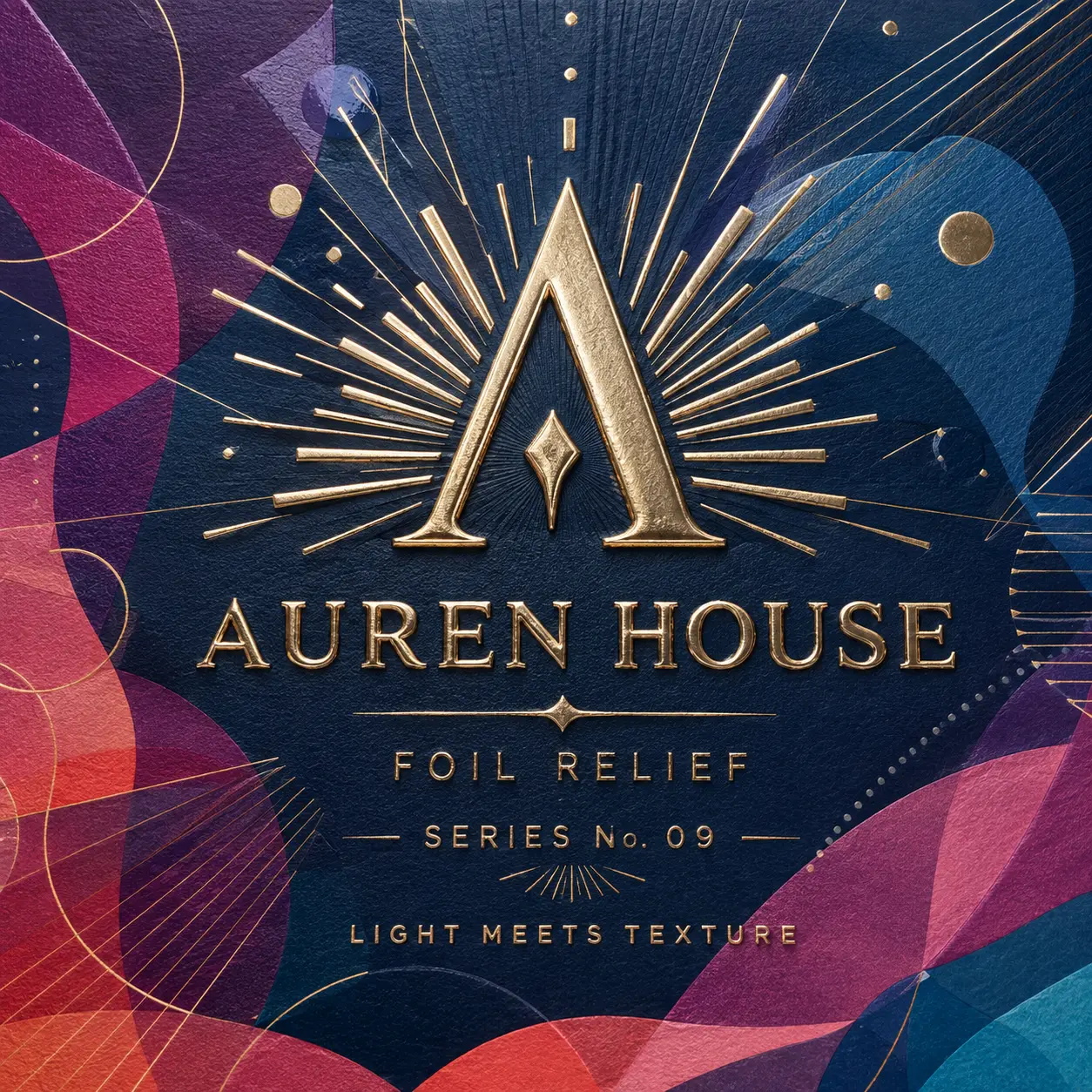
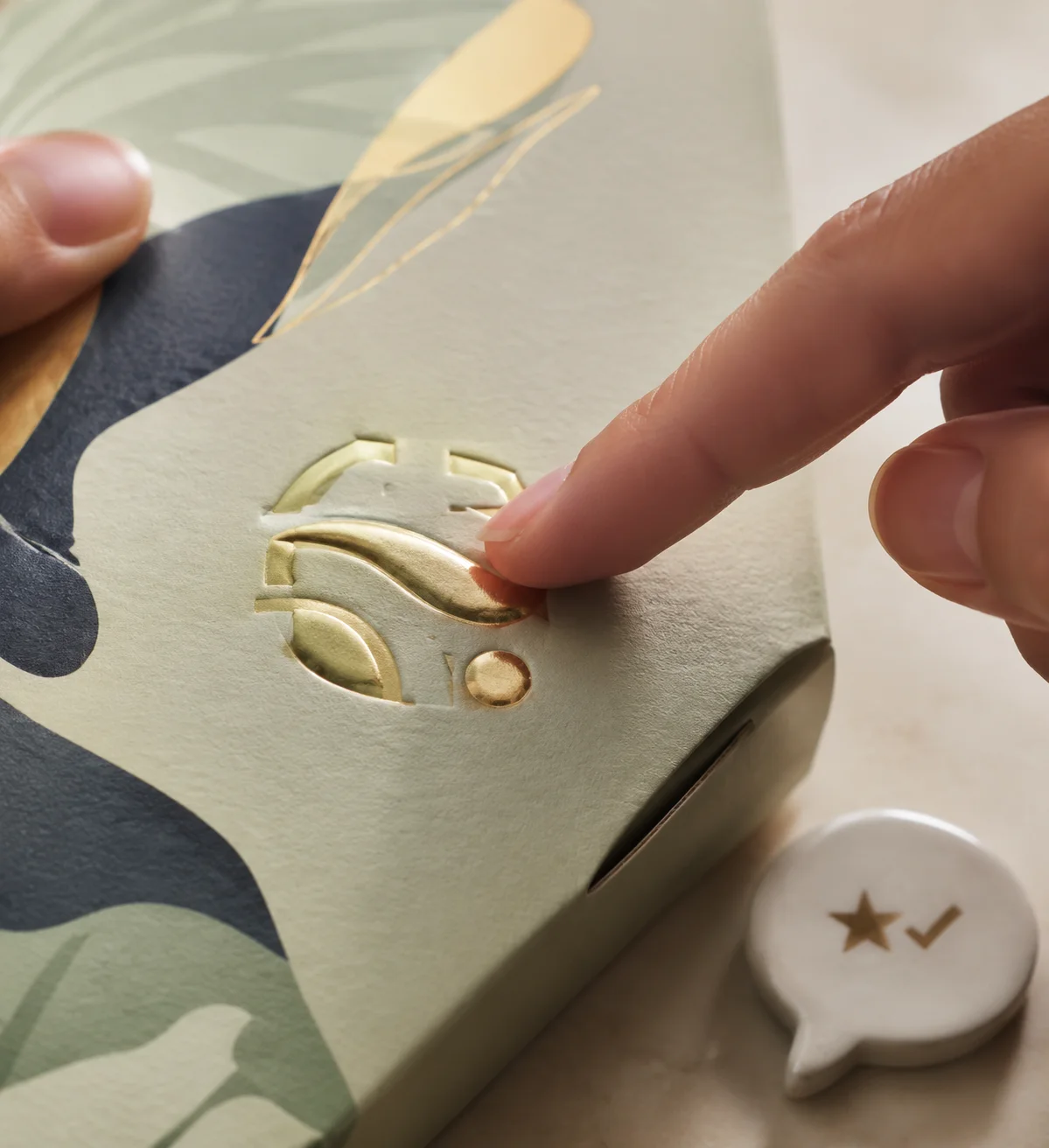
A coffee machine box can carry accurate information and still feel visually flat or overly busy. Finishes should decide what customers notice first and what quality level the surface communicates when they pick up, receive or open the pack. Matte, gloss, soft-touch, foil, embossing, debossing and raised spot effects are most effective when they support a clear hierarchy: calm the overall surface, emphasize a key brand or model cue, or give a special edition a reason to feel distinct.
-
 Set the Product Mood
Matte or soft-touch treatment can give a considered, design-led machine range a quieter and more controlled feel. Gloss can support brighter product photography, metallic appliance finishes or energetic color systems when stronger contrast suits the model and audience.
-
Give Key Information Priority
Foil, embossing, debossing or raised spot effects can give the brand name, model line or selected feature cue more visual and tactile weight. The purpose is to guide attention to what matters—not to decorate every available panel.
-
Separate Special Editions
Launch colors, collaboration models and gift-led releases can use selective foil, surface contrast or raised detail to feel different from the core line while remaining visibly part of the same coffee machine family.


A CLEARER FIRST OPENING
Guide the Customer From Reveal to Setup
The outside of the box creates an expectation, but the first opening decides whether the machine, parts and printed guidance feel like one planned system. For coffee machine sets, the interior should help customers understand what they have received, which components belong together and what to access first. Printed inside surfaces can continue the brand language, while foam, paperboard, cardboard or corrugated inserts can give the machine and included items a defined place. The outcome is a clearer introduction to the product from reveal through initial setup.
-
Continue — Keep the Brand Moving
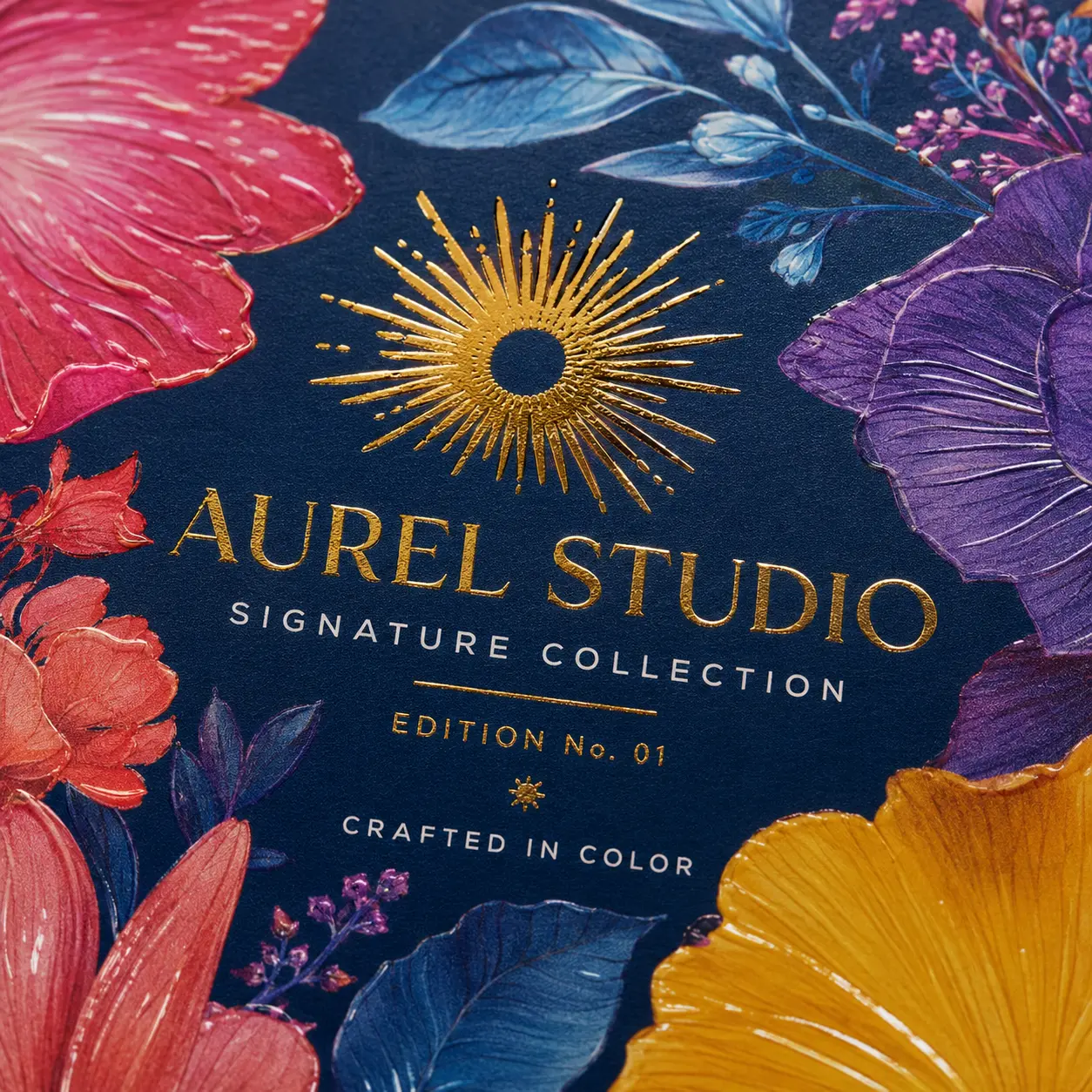
Carry selected colors, patterns, product photography or a concise welcome message inside the box so the identity established on the exterior remains present when the lid or mailer opens.
-
Guide — Organize the Machine and Accessories
Use a planned insert, divider or compartment layout to separate the machine from removable parts, manuals and starter items where included. Clear arrangement helps customers see the full set without sorting through a loose pack.
-
Reward — Shape the Reveal and First Setup
Control what becomes visible first, how accessories are introduced and where setup guidance appears. A thoughtful sequence can make the first interaction feel calm, useful and consistent with the product’s intended quality.


EXPERT-GUIDED APPLIANCE PACKAGING
Coffee Machine Box Customization Made Easy & Fast — Built to Fit, Protect & Ship
Our coffee machine packaging experts, structural designers, print specialists, consultants, and project managers make custom coffee machine box ordering easy and fast by bringing your appliance dimensions, packed weight, water-reservoir profile, carafe or cup platform, steam wand, grinder, accessory count, selected box style, artwork, and brand direction into one production-ready structure. We guide machine clearance, insert geometry, glass-carafe separation, drip-tray and portafilter compartments, cord organization, top-and-bottom cushioning, corrugated flute selection, handle placement, retail-display panels, barcode and model-variant spacing, coating and finish compatibility, dieline alignment, bleed and safe-zone setup, cost calculation, timeline planning, prepress preparation, and 3D proof review. The result is a coffee machine box that fits accurately, reduces internal movement, supports better handling, carries product information cleanly, and moves to production with fewer sizing, print, structure, or approval risks.

-
Fast
Machine Specs-to-Quote Alignment
Experts align appliance dimensions, packed weight, selected carton structure, corrugated grade, insert system, accessory count, artwork, cost, timeline, prepress setup, and 3D proof early—helping reduce quote delays and repeated approval changes.
-
Exact
Machine, Reservoir & Accessory Review
We check the machine body, water tank, carafe, milk container, steam wand, grinder hopper, drip tray, portafilter, filters, cups, cables, manuals, and loading direction so every component receives suitable clearance and a defined pack position.
-
Secure
Weight, Glass & Shipping Structure Check
Structural specialists review flute choice, wall construction, base reinforcement, carafe separation, corner support, top-and-bottom cushioning, hand holes, closure strength, stacking needs, and movement control for better retail, warehouse, and delivery handling.
Plan a Coffee Machine Box That Works Before It Prints
A successful coffee machine box begins with accurate product information and a clear selling plan. Our service is designed to help you move from machine measurements and component mapping to an approved structure, print-ready artwork and a production schedule you can understand. The following decisions reduce avoidable changes and help the final box work as a branded product package rather than a stock carton with graphics added later.
-
Start With the Machine, Not a Stock Box
Measure the coffee machine in its packed condition and list every item that will travel inside the box. Depending on the model, that may include removable tanks, carafes, portafilters, cords, adapters, manuals, sample items or protective wrapping. Provide the length, width and height of the machine and each separate component, plus the intended pack count and arrangement. We then plan the box around the real footprint, irregular shapes, insert depth and the clearance needed to place and remove the product. Exact dimensions should be confirmed through the approved dieline or structural proof rather than estimated from a similar appliance.
-
Match the Structure to the Selling Moment
The same machine may need a different box for retail display, reseller handoff, direct delivery, a launch kit or a partner presentation. A fitted corrugated product box often suits a substantial appliance, while paperboard may work for supported compact formats. Sleeve-and-tray, two-piece or rigid structures can be considered where the opening and physical presence are part of the offer. A handle, peel-and-seal closure or display feature should be selected because it helps the chosen channel—not because every available option must be added. We will recommend a route after reviewing machine weight, packed arrangement, handling and the intended customer encounter.
-
Map Every Component Before Designing the Insert
An insert should make the set easier to understand while helping limit unwanted movement inside the approved structure. Foam, corrugated, paperboard and cardboard inserts can be die-cut around the machine or individual components. Start with a simple contents map showing what must sit beside, above or below the machine and what customers should see first. Separate fragile or easily confused items where practical, and leave useful finger or lift-out access. The insert plan should also account for printed guides, warranty materials or starter items supplied with the product. Final material and layout depend on weight, shape, box style and the level of presentation required.
-
Prepare Artwork Around the Approved Dieline
Once the structure is confirmed, build the artwork on the approved dieline rather than adapting finished graphics at the last minute. Dieline and template support, artwork checking, resizing, bleed and safe-zone guidance are available. Production files may be supplied in AI, PDF, PSD or EPS format. Use the front, sides, top and back to create a clear information order, and use inside printing only where it improves setup, welcome or brand continuity. Your team remains responsible for supplying and approving required model, voltage, safety, warranty, importer or other legally required information. A digital proof is provided for every approved order, and printing does not begin before approval.
-
Order With a Clear Quantity and Production Plan
Paperboard, cardstock, kraft and supported corrugated coffee machine boxes may start from 50 units. Supported rigid formats may start from 25. These starting quantities can still include relevant custom sizing, printing, finishes and inserts where they suit the approved structure and production specification. Per-unit pricing generally improves as quantity increases, with more visible differences often appearing around 500 units. No die or plate fee is applied where supported by the selected production route. Production normally takes 4–6 business days after payment, final artwork approval and structure confirmation. Production-ready jobs are generally planned to print and ship within 7 business days. Shipping transit time is separate. Multi-design orders may need a separately confirmed schedule. A physical prototype may be available for a qualifying bulk or wholesale project, and its cost may be adjusted into the resulting order where approved. Multi-address shipping and white-label or design-firm workflows can also be planned in advance. A well-managed project gives you clear approval points instead of late surprises. Bring the machine details, component list, target quantity, artwork status and intended channel; the team can then guide structure, materials, print, inserts and production as one connected packaging service.

COFFEE MACHINE BOX HELP
Answers Before You Size, Brand and Order
Yes, but each model should be checked against its own packed dimensions and component layout before the structure is approved. Machines that look similar can differ in tank position, handles, carafes, cords or included accessories. We can keep the same brand system across a product family while adjusting the dieline, insert or panel hierarchy for each model. Send the packed measurements, product images and contents list for every version you want quoted.
The right structure depends on the machine’s weight, footprint, component count and selling channel, and guidance is available before you commit. A fitted corrugated product box often suits a substantial appliance, while supported compact machines may use paperboard, sleeve-and-tray, two-piece or rigid presentation formats. Inserts, handles and closure features are then selected around the approved arrangement. The final recommendation should follow a review of the actual machine rather than a generic style preference.
Yes. Foam, corrugated, paperboard or cardboard inserts can be die-cut to give the machine and included components defined positions inside the box. The layout can separate removable parts, manuals, cords, starter items or other accessories where included, while also planning a sensible first reveal. To prepare the insert, provide the dimensions, weight, shape and preferred position of every packed item. Final fit is confirmed through the approved structure and proof process.
Yes. Printing can continue across outside and inside surfaces where the approved structure allows it. Interior color, short welcome copy, setup cues, product-family graphics or a simple brand pattern can keep the identity active after the box opens. The goal is not to fill every panel; it is to make the transition from exterior to product feel intentional. Your team should supply and approve any technical, safety, warranty or legally required information before production.
Yes. A growing appliance brand can start with packaging built around its own machine and visual identity without committing to a large first run. Paperboard, cardstock, kraft and supported corrugated formats may start from 50 boxes, while supported rigid formats may start from 25. Relevant custom sizing, exterior or interior printing, finishes and inserts can remain available at these quantities when they suit the approved structure and production specification. This makes it easier to prepare a launch, test a model or support a focused retail program without defaulting to a generic stock carton.
Yes, multiple models or artwork versions can be planned within one program, but the structure, price and schedule should reflect the number of unique setups involved. A shared visual system can keep the range connected, while each model receives the correct dielline, product information and insert plan. Orders with many low-quantity designs may need additional setup time, so the production schedule is confirmed before the job moves forward. Provide a model-by-model quantity list at the quoting stage.
Yes. Dieline or template support, artwork checking, resizing, bleed and safe-zone guidance are available, and production files may be supplied in AI, PDF, PSD or EPS format. After the structure and artwork are ready, a digital proof is provided for every approved order so you can check layout, copy and print placement before production. A physical prototype may also be available for a qualifying bulk or wholesale project, with its cost adjusted into the resulting order where approved.
Production normally takes 4–6 business days after payment, final artwork approval and structure confirmation. Production-ready jobs are generally planned to print and ship within 7 business days. Shipping transit time is separate, and a project with many designs or complex setups may require a separately confirmed schedule. The production clock does not begin while artwork, dimensions or structure are still awaiting approval, so providing complete files and product details early helps keep the plan clear. The copy is ready for backend field mapping; the FAQ answers remain in plain-paragraph format until the open list-support decision is finalized.
CUSTOMER SUCCESS STORIES
Hear What Our Customers Say

As a small business, finding premium finishes in lower quantities was always difficult. Global Custom Packaging gave us the freedom to customize our boxes and create the distinctive, polished look we wanted without committing to a large order. We still work with them today and have expanded into multiple product variants, each with the same impressive presentation.
Jordan Blake
We sell online and in stores while regularly promoting at major events, running influencer campaigns, and launching seasonal collections. Thunder Packaging has become our dependable source for everything—from premium mailer and product boxes to sturdy influencer kits, rigid packaging, kraft boxes, and limited-edition Christmas designs. Whatever structure, material, or branded look we need, we no longer have to go anywhere else.
Avery Quinn

I never worry about how my packaging will look or whether my artwork contains typos, incorrect bleed areas, or other design errors. Their 3D previews and helpful design support give me confidence before printing. If the team notices a problem, they contact me, correct it quickly, and never charge extra for the assistance.
Cameron Reese
I’m really impressed with Global Custom Packaging’s precise, richly saturated printing and the accuracy of their die-cutting. The boxes were produced in exactly the right size, with a clean, well-formed structure and no fitting or construction issues. The finished packaging looked polished, consistent, and ready to represent our products professionally.
Morgan Taylor
I received my quote within a few hours, and once we agreed on the price, the designer responded quickly, completed the required changes, and prepared my artwork for printing. The 3D proof arrived promptly, allowing me to review everything and place my order that same day. My packaging was delivered on time, exactly as Global Custom Packaging had committed.
Harper Lane