

Active Packaging Explained: The Science of Eco Innovation
 Global Custom Packaging
 2025-10-29 07:30
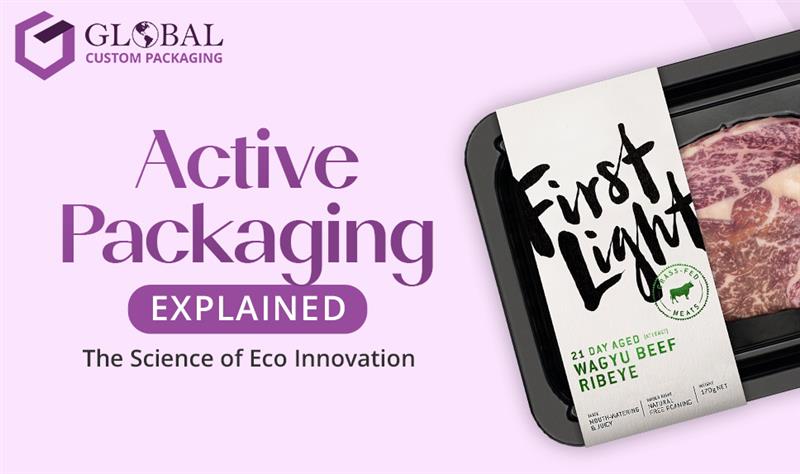
Food waste and contamination are becoming a prevalent issue in the global food industry. Every year, millions of tons of food go to waste due to spoilage and microbial growth. Despite technological advancements, this problem has seemed to have no solution until the advent of active packaging. This innovation in packaging emerged as an ultimate solution, blurring the lines between technology and food packaging.
In contrast to traditional packaging, this packaging not only serves as a barrier but is also in direct contact with the product, interacting with it and its environment. It helps preserve freshness, improve safety, and extend the shelf life of the product.
If you’re wondering what this packaging is, what it does, and how it can benefit your brand? Keep reading the blog to find out!
What Is Active Packaging?
Active packaging refers to the type of materials that are actively used to enhance the internal environment of a product. This innovation is used for improving the quality of the product from the inside of its packaging, improving its shelf life, and maintenance. How does it work?
This innovative packaging pulls this off by either absorbing oxygen or releasing agents like antimicrobials or antioxidants. This interaction within the box packaging allows this technology to keep the food safe and fresh.
Do you want to know what types of technology can be used in this phenomenon? Read along!
Role Of Key Technologies In Active Packaging
1. Antimicrobial Packaging
Embedded with natural or synthetic agents, this type of packaging prevents the growth of bacteria or fungi. These agents include silver nanoparticles, essential oils, and organic acids.
2. Oxygen Scavengers
This type of smart packaging removes residual oxygen from inside the packaging, which may cause erosion or color changes in products like meat, fish, or dairy items.
3. Moisture Regulators
By controlling the humidity levels, this technology prevents sogginess and dryness in products like chips and baked goods.
4. Ethylene Absorbers
These absorbents are primarily used in fruit and vegetable packaging. They help slow down the ripening process and thus increase the shelf life of the product.
5. Antioxidant Packaging Films
The compounds released through this kind of packaging help inhibit oxidation, resulting in the longevity of products such as oils, nuts, and other sensitive items.
If your brand involves any kind of food products or your business is within the food industry, then this is your cue to get your packaging active today!
Before you move on with that plan, explore some of the key advantages of this packaging too:
Benefits of Active Packaging
Longer Shelf Life
Improvement in Food Safety
Reduction of Food Waste
Integration of Sustainability
Boosts Consumers' Confidence with visible freshness indicators
This eco-innovative packaging, despite having several benefits, is not without its limitations. Continue reading to find some of the challenges faced by this packaging:
Limitations of Active Packaging
Cost and Scalability: Difficulty in using advanced materials on a larger scale
Regular Approvals: It is essential to comply with strict food standards, i.e., FDA, EFSA.
Compatibility of Material: Not all compounds are compatible with every type of packaging
Acceptance by Consumer: Trusting the innovative addition of “active” agents in packaging is crucial for public confidence
This packaging, despite its challenges, does not stop from advancing and moving ahead successfully in the future. See how the coming generations can integrate this technology for a smarter and greener packaging:
Future Trends
The future generation of this advanced packaging is integrating smart technologies and biodegradable materials to comply with the sustainability goals. They are emerging in the following directions:
Intelligent Packaging Sensors: IoT-enabled freshness detectors
Biodegradable Active Films: Eco-friendly polymers that decompose naturally
Cross-industry Use: Extending towards pharmaceuticals, cosmetics, and agriculture for monitoring products and controlling release
This evolution in packaging also supports the UN Sustainable Development Goal (SDG 12) Responsible Consumption and Production, reducing waste and promoting resource efficiency.
Final Thoughts!
The extensive explanation about this smart packaging should tell you how this packaging evolution is an intersection of science, innovation, and sustainability. It's more than a revolution; it's a promise for a smarter, safer, and greener future of food packaging.
If you also want your products to reach the consumers as fresh and safe as the day they were produced, then go active! Get your quote with Global Custom Packaging and start your journey of smart packaging today!


